Patient Information
Cataract, AMD (IVT), epiretinal membrane, macular hole: patient information by Dr Julien Gozlan (Paris 16).
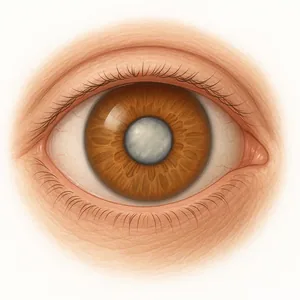
Cataract
Cataracts, phacoemulsification surgery, monofocal and multifocal lenses...
Glasses after cataract surgery
Also covered onCataracte.fr
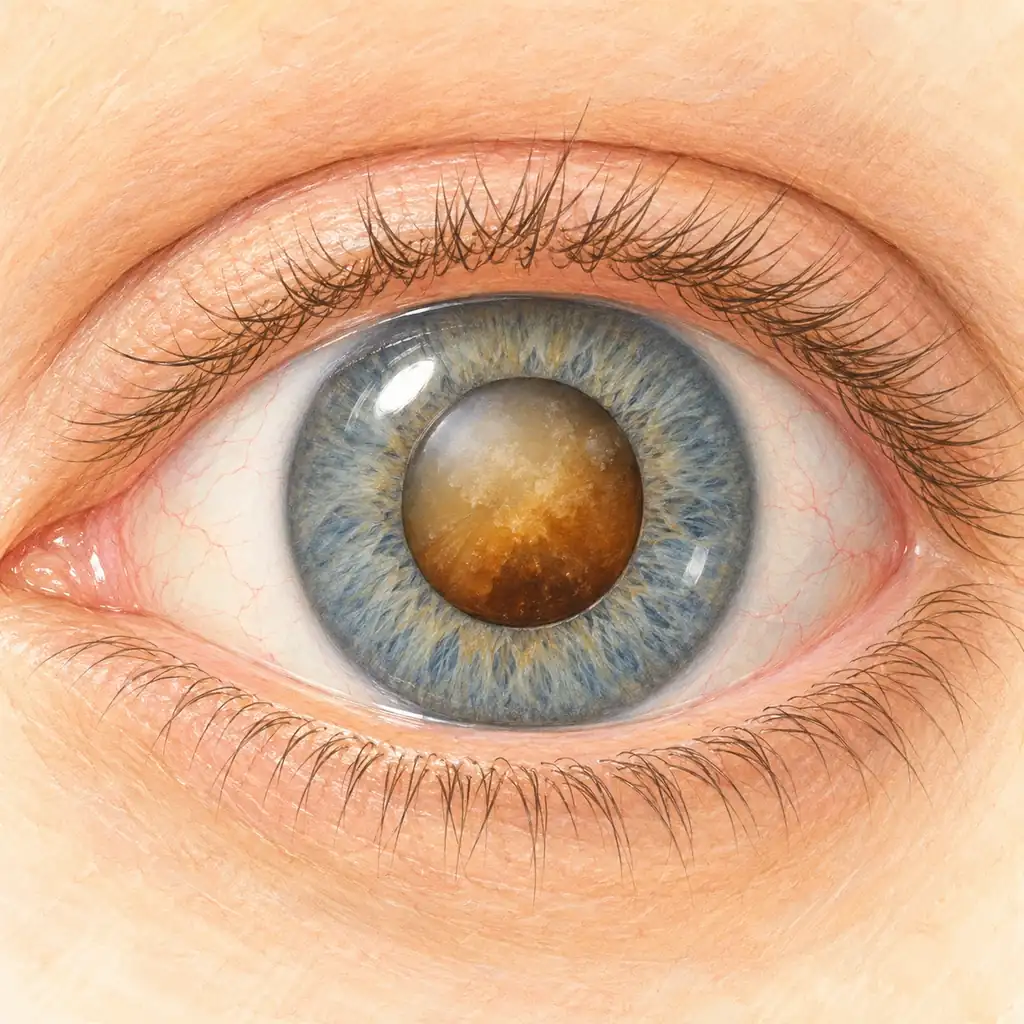
Untreated cataract
Also covered onCataracte.fr
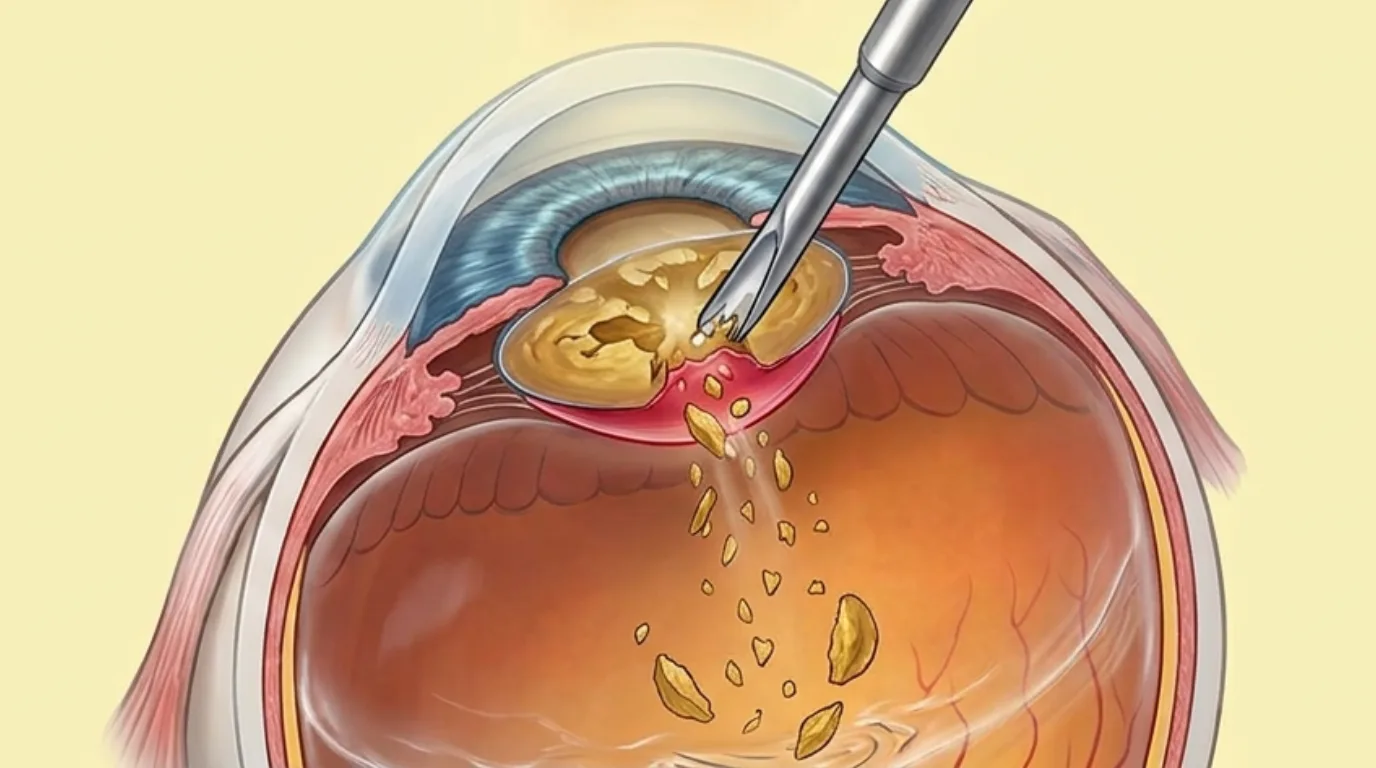
Posterior capsular rupture
Also covered onCataracte.fr

Cataract
Also covered onCataracte.fr
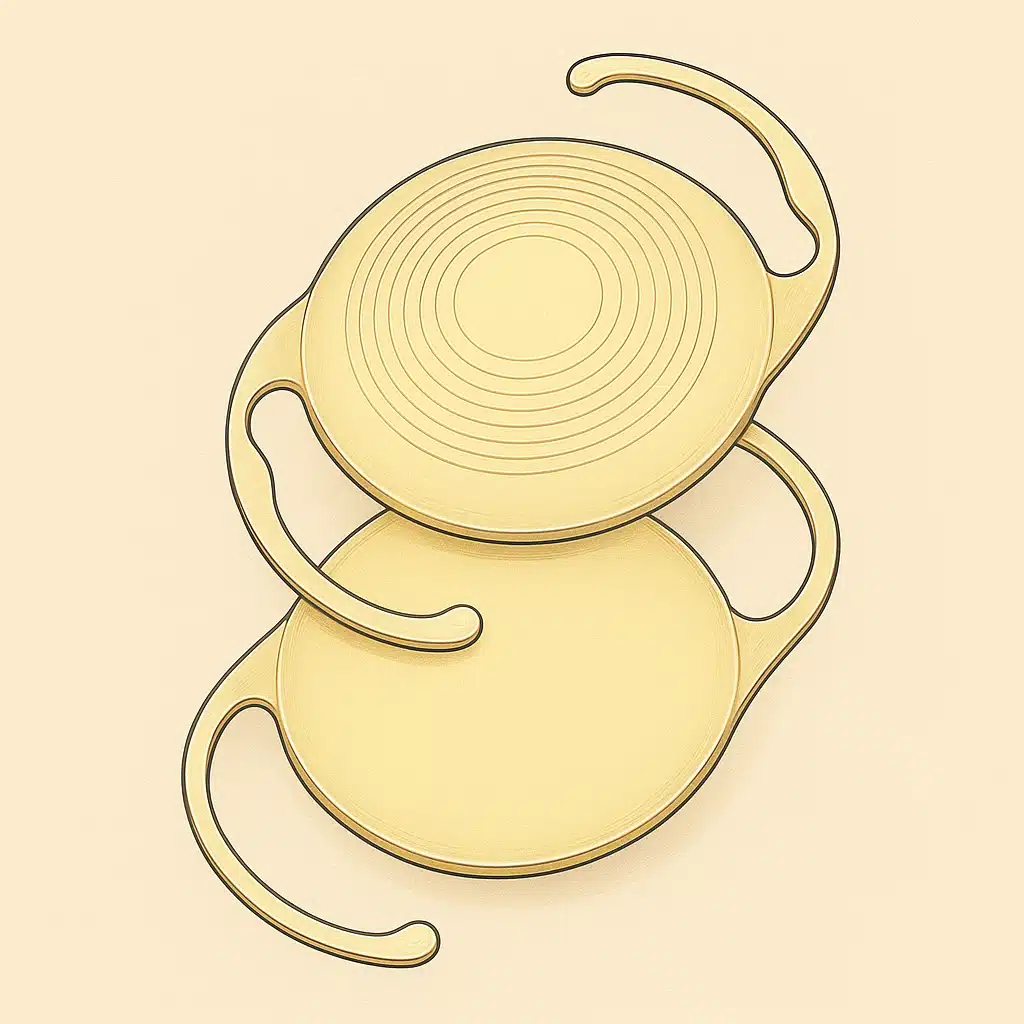
Cataract lens implants
Also covered onCataracte.fr
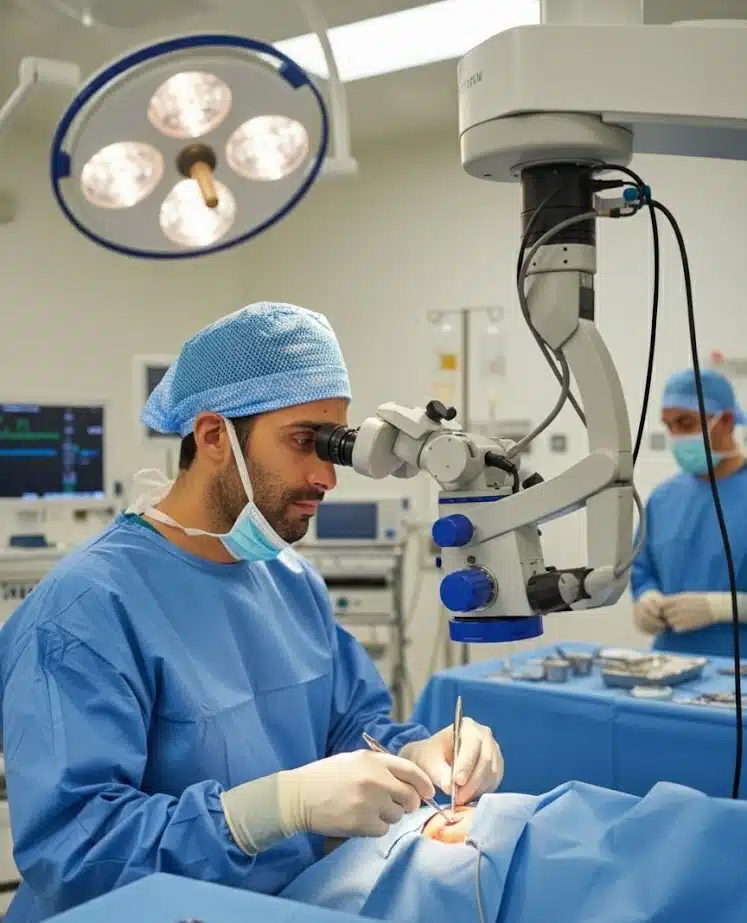
Cataract surgery
Also covered onCataracte.fr
Retinal Diseases
Age-related macular degeneration (AMD), intravitreal injections (IVT), diabetic retinopathy, Irvine-Gass syndrome...
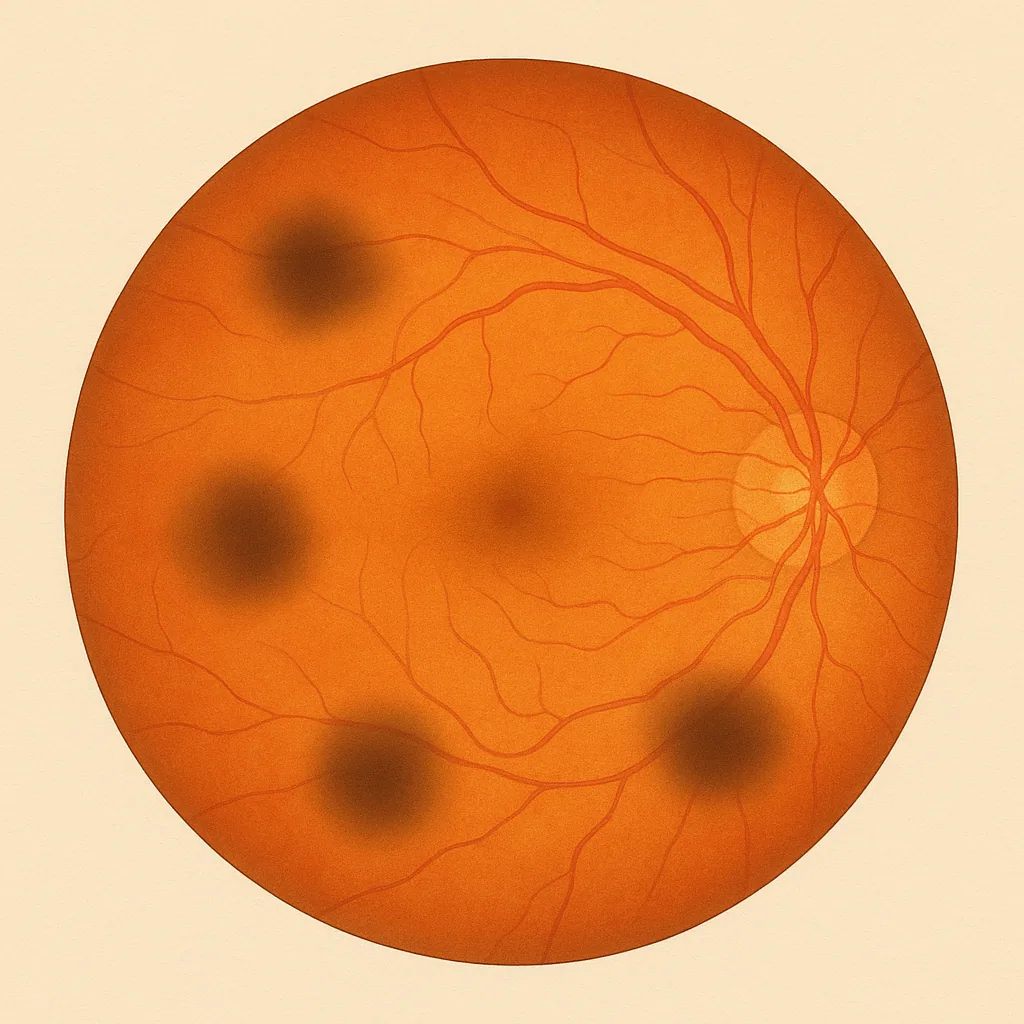
Eye floaters
Also covered onRetine.fr
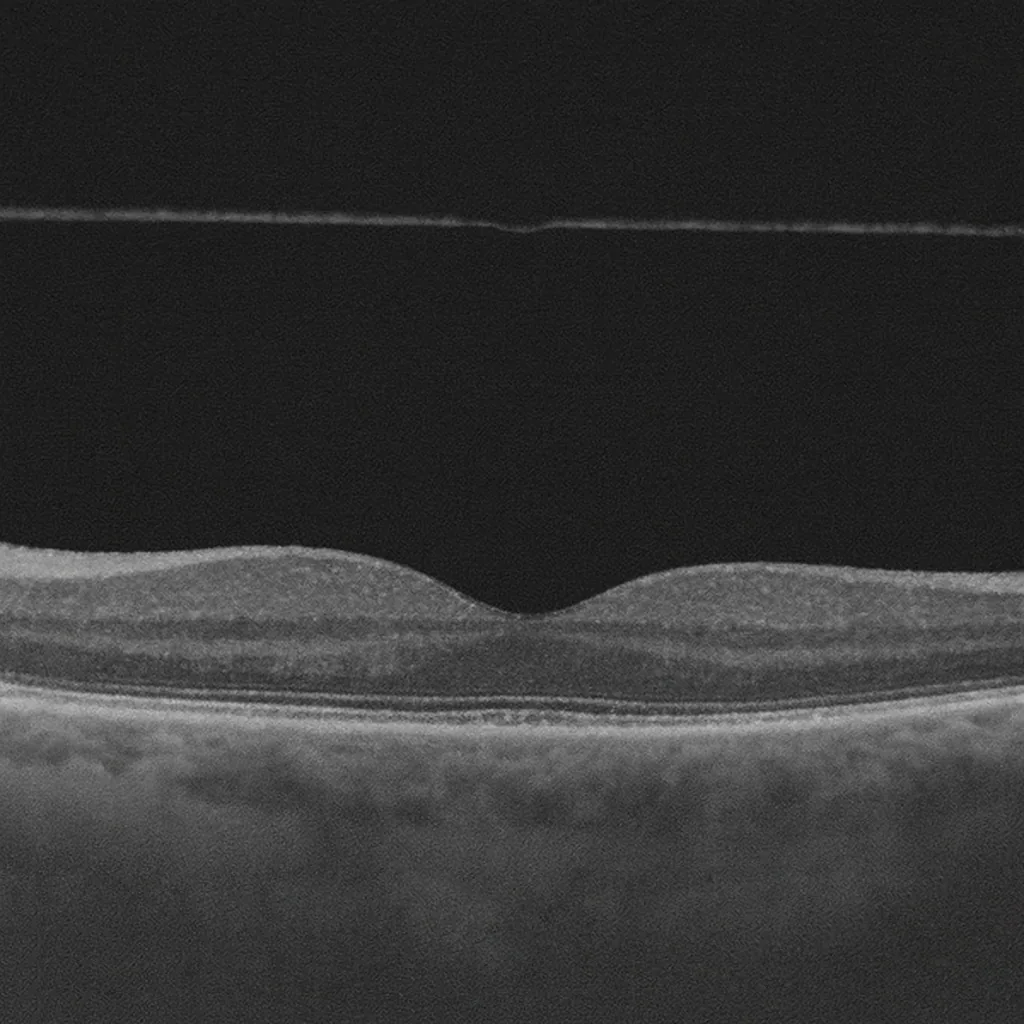
Posterior vitreous detachment: Symptoms, duration and progression
Also covered onRetine.fr

AMD and dietary supplements: What AREDS2 demonstrates
The AREDS2 formula reduces the risk of intermediate AMD progression by approximately 25%, but does not prevent the disease. Composition, indications, precautions for smokers: an overview of dietary supplements.
Read more
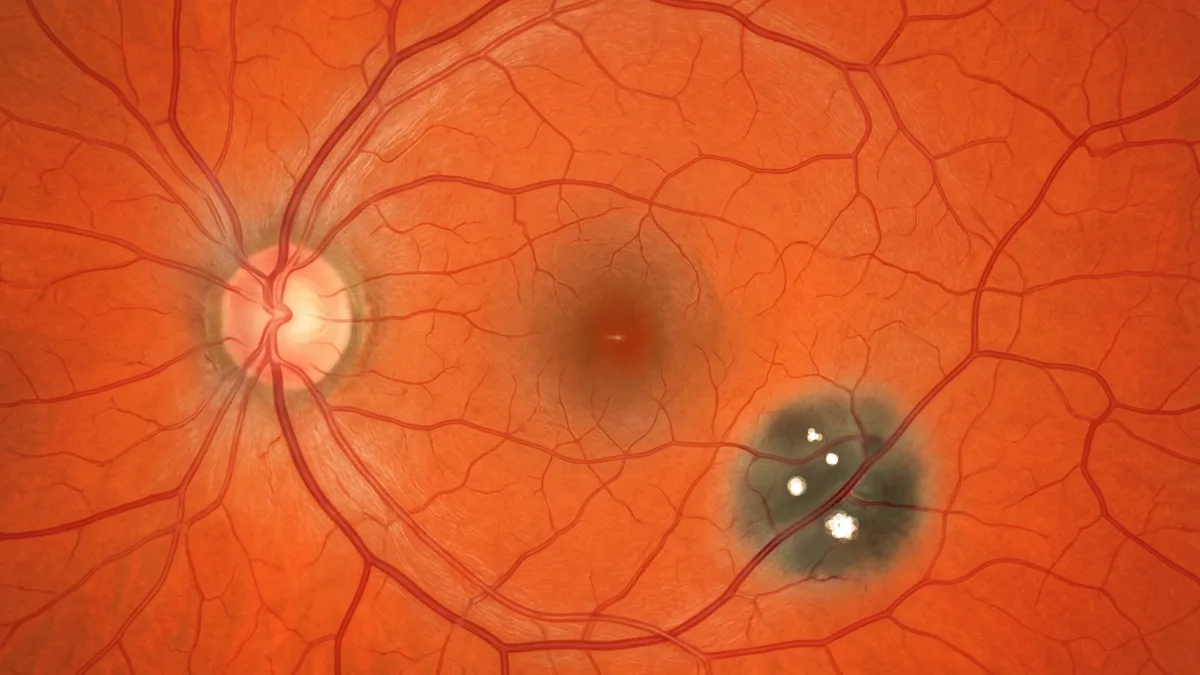
Congenital hypertrophy of the retinal pigment epithelium
Congenital hypertrophy of the retinal pigment epithelium is a benign and very common lesion of the fundus, present from birth. It appears as a flat, well-defined and heavily pigmented spot, most often discovered by chance. Benign and silent, it mainly needs to be recognised so as not to be confused with a tumour. Dr Julien Gozlan, ophthalmic surgeon specialising in the retina in Paris 16, explains what congenital hypertrophy of the retinal pigment epithelium is, how it is diagnosed and in which cases it warrants further investigation.
Read more
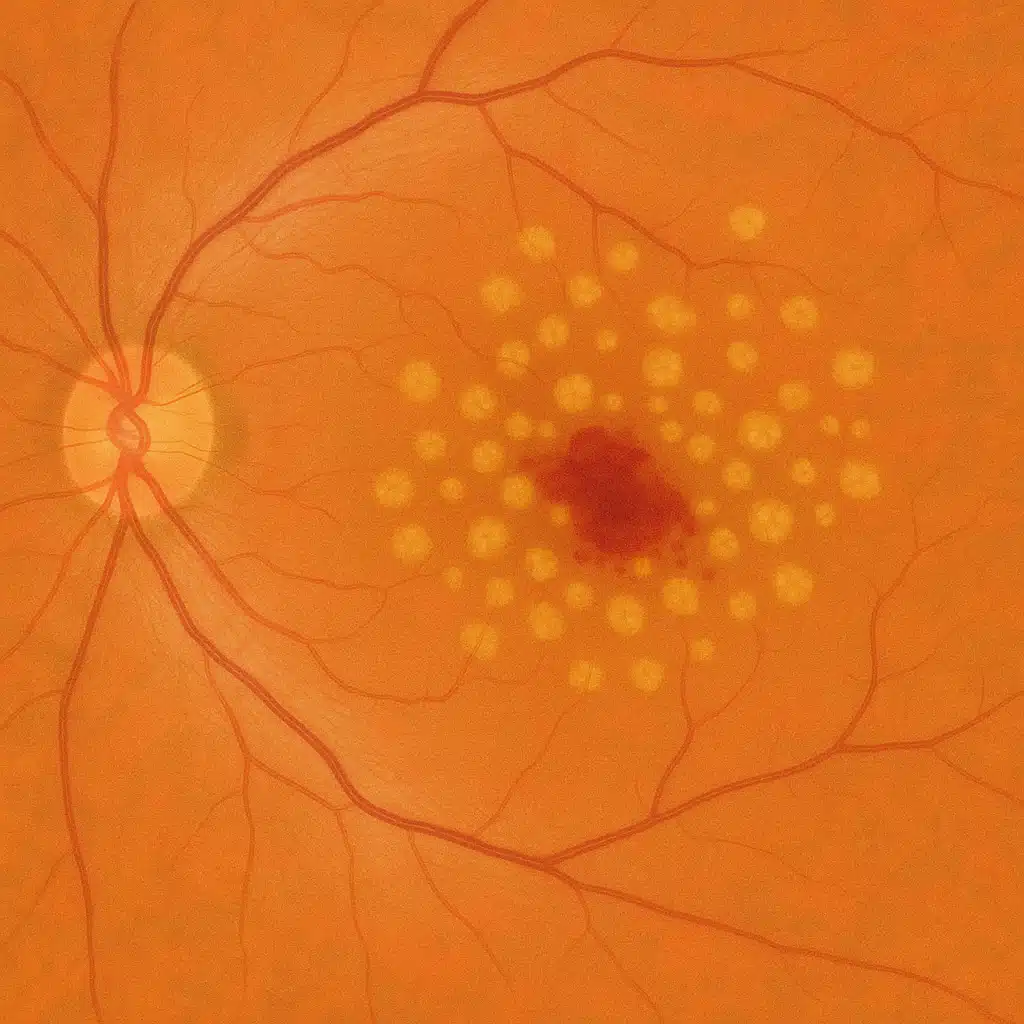
Symptoms of AMD
Recognising the symptoms of AMD (age-related macular degeneration) as early as possible is essential: one of its forms requires prompt treatment. Straight lines that appear wavy, a blurred spot in the centre of vision, difficulty reading… Dr Julien Gozlan, ophthalmologist and retina specialist in Paris 16, describes the warning signs to watch for — and those that progress silently.
Read more
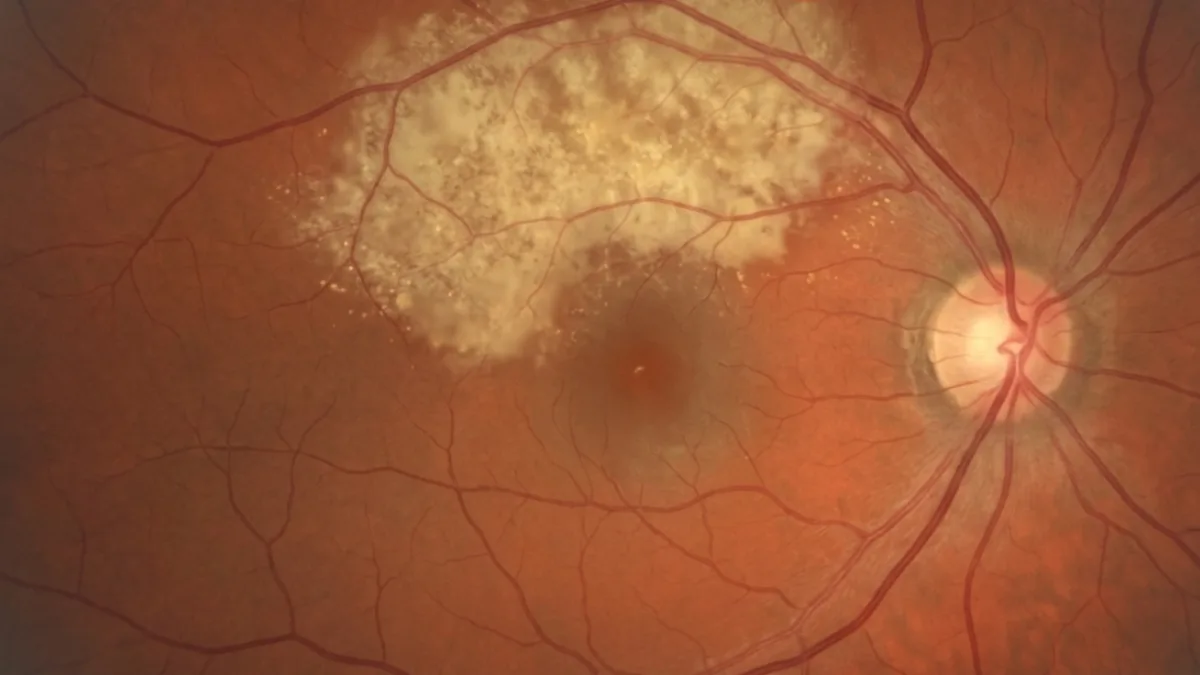
Choroidal osteoma
The choroidal osteoma is a rare benign tumour of the choroid, made of mature bone tissue. It mainly affects young women and is most often located near the optic nerve. Although benign, the choroidal osteoma can affect vision when it decalcifies or is complicated by abnormal vessels. Dr Julien Gozlan, ophthalmic surgeon specialising in the retina in Paris 16, explains what a choroidal osteoma is, how it is diagnosed and how it is monitored.
Read more
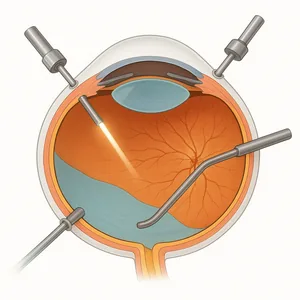
Retinal Surgery
Vitrectomy, retinal detachment, epiretinal membrane, macular hole...
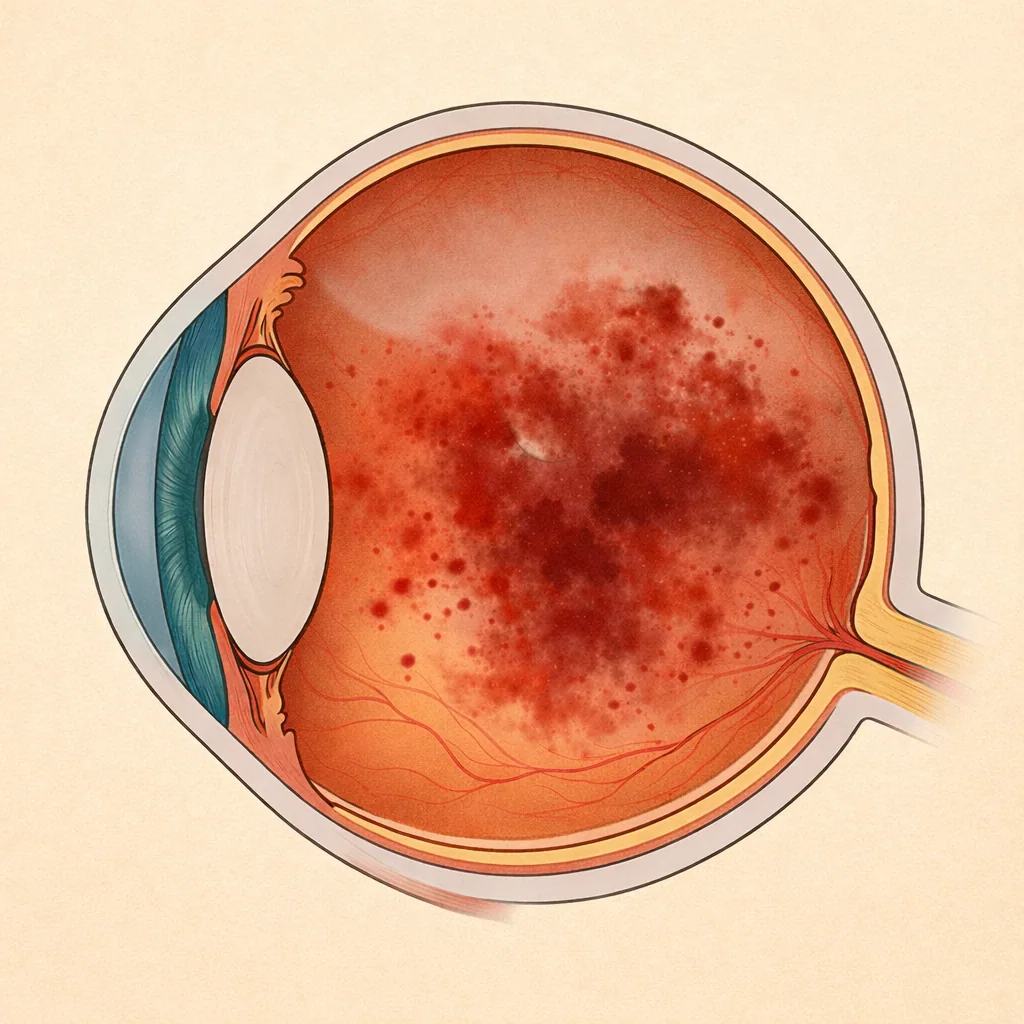
Vitreous hemorrhage
Also covered onRetine.fr
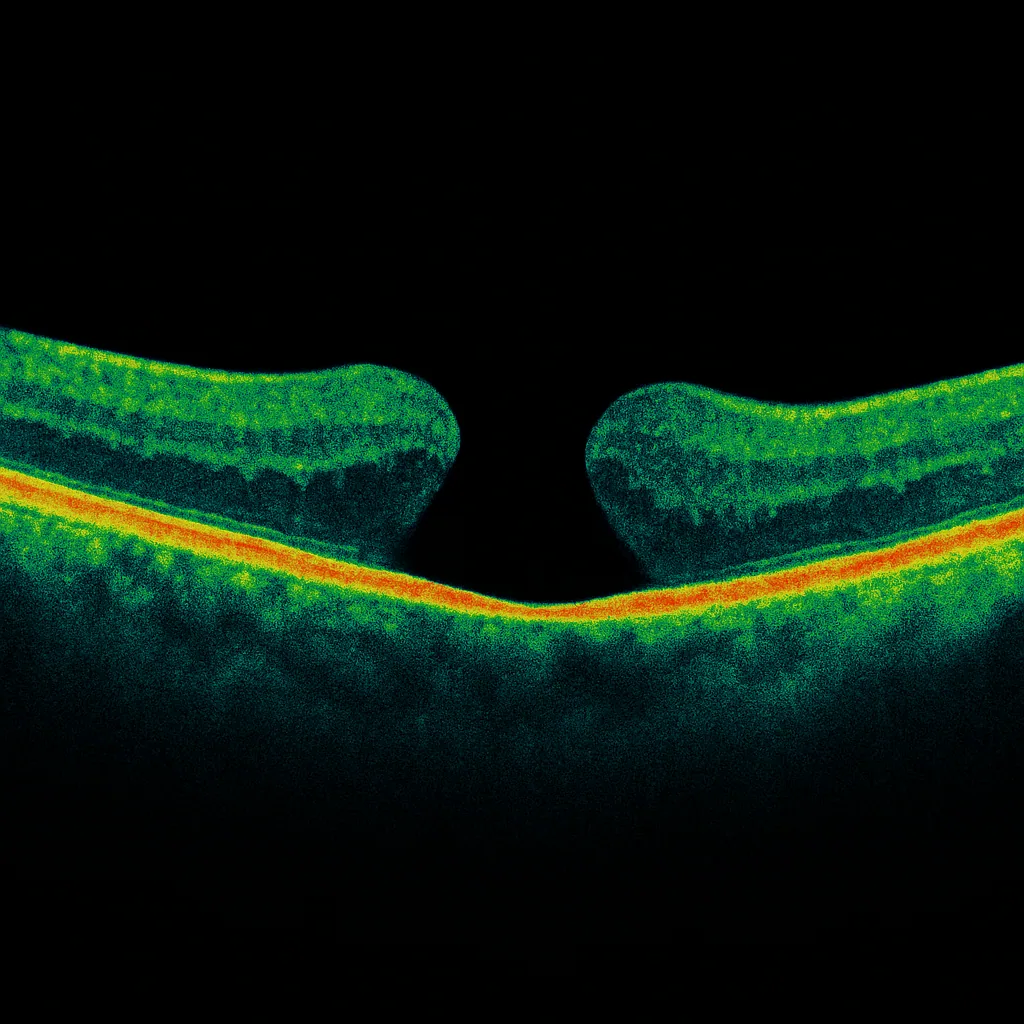
Macular hole
Also covered onRetine.fr
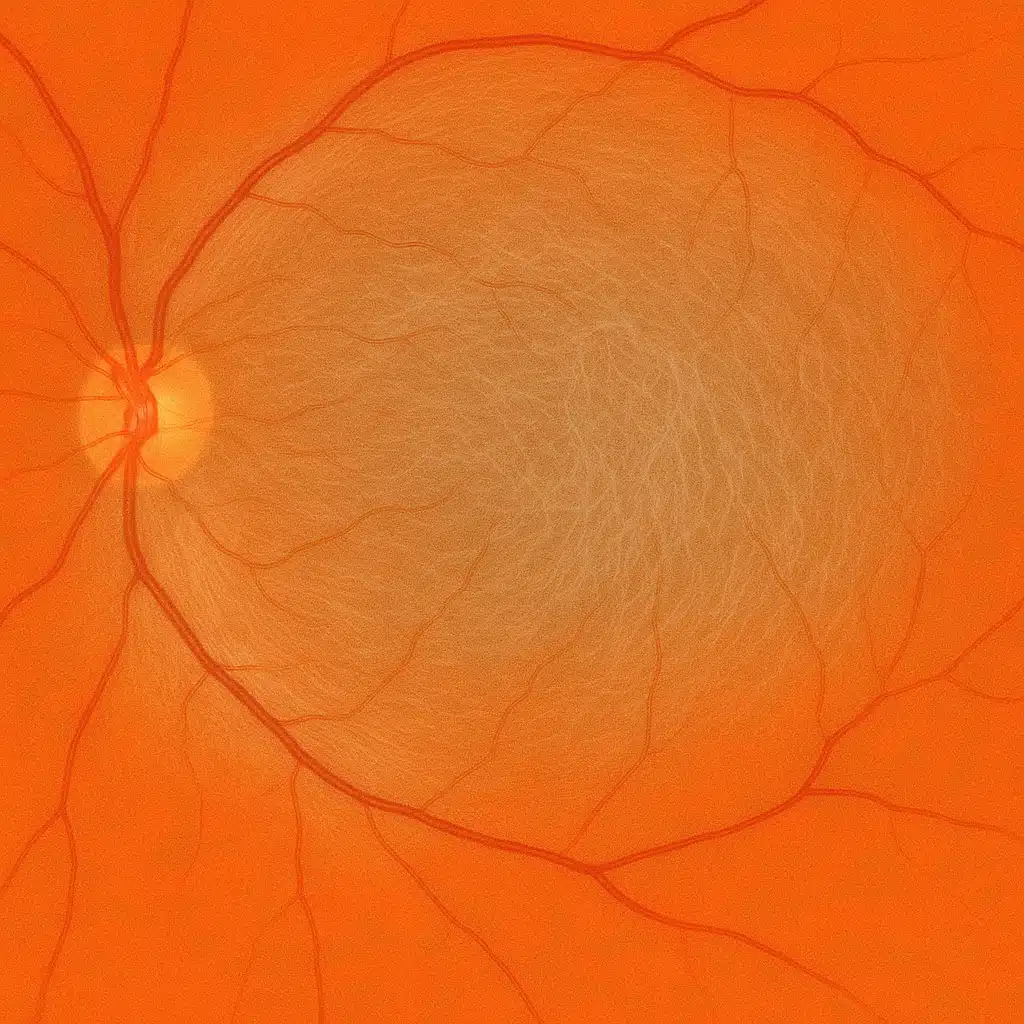
Macular epiretinal membrane
Also covered onRetine.fr
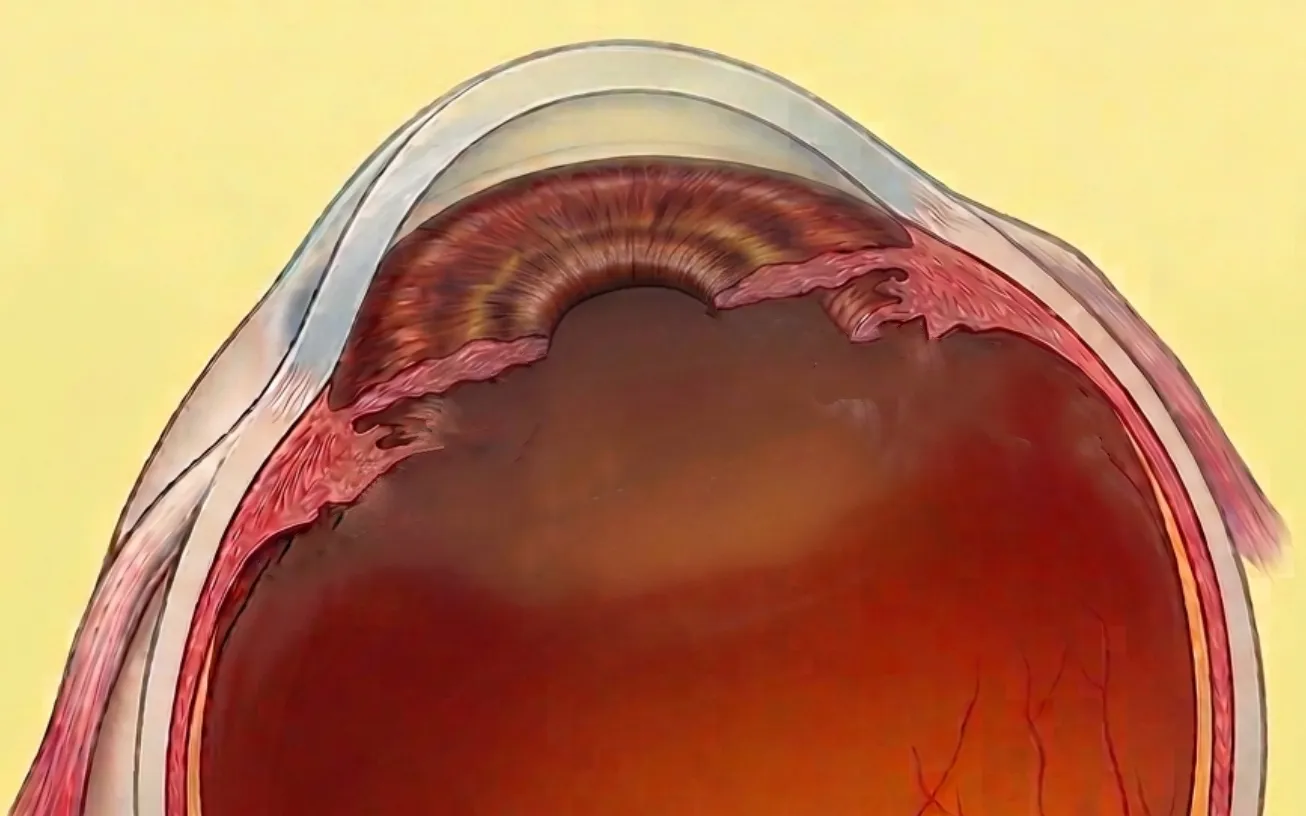
Secondary IOL implantation
Secondary IOL implantation means placing an intraocular lens in an eye that has lost its capsular support. Iris-claw, iris or scleral suture, Yamane technique, Carlevale lens: indications, surgical steps, results and complications of each option.
Read more
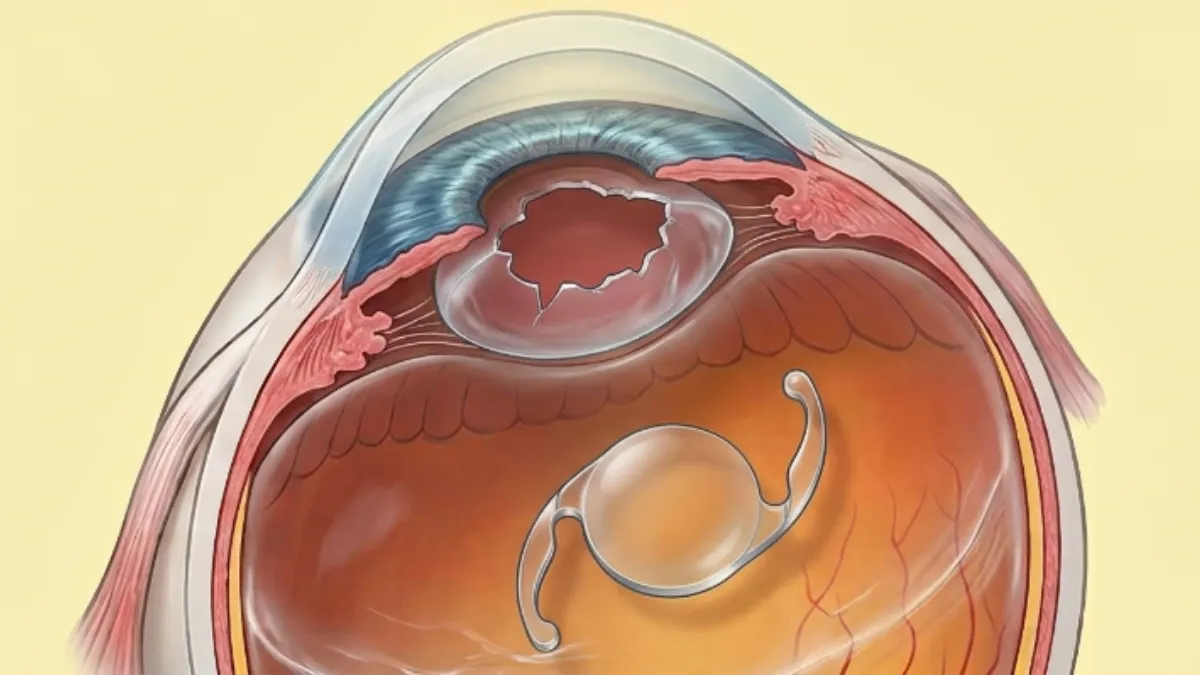
Dislocated intraocular lens
A dislocated intraocular lens after cataract surgery means the artificial lens has moved out of the capsular bag. Causes, warning signs, preoperative work-up, repositioning and lens exchange techniques and visual prognosis, explained by Dr Julien Gozlan, ophthalmic surgeon in Paris 16.
Read more
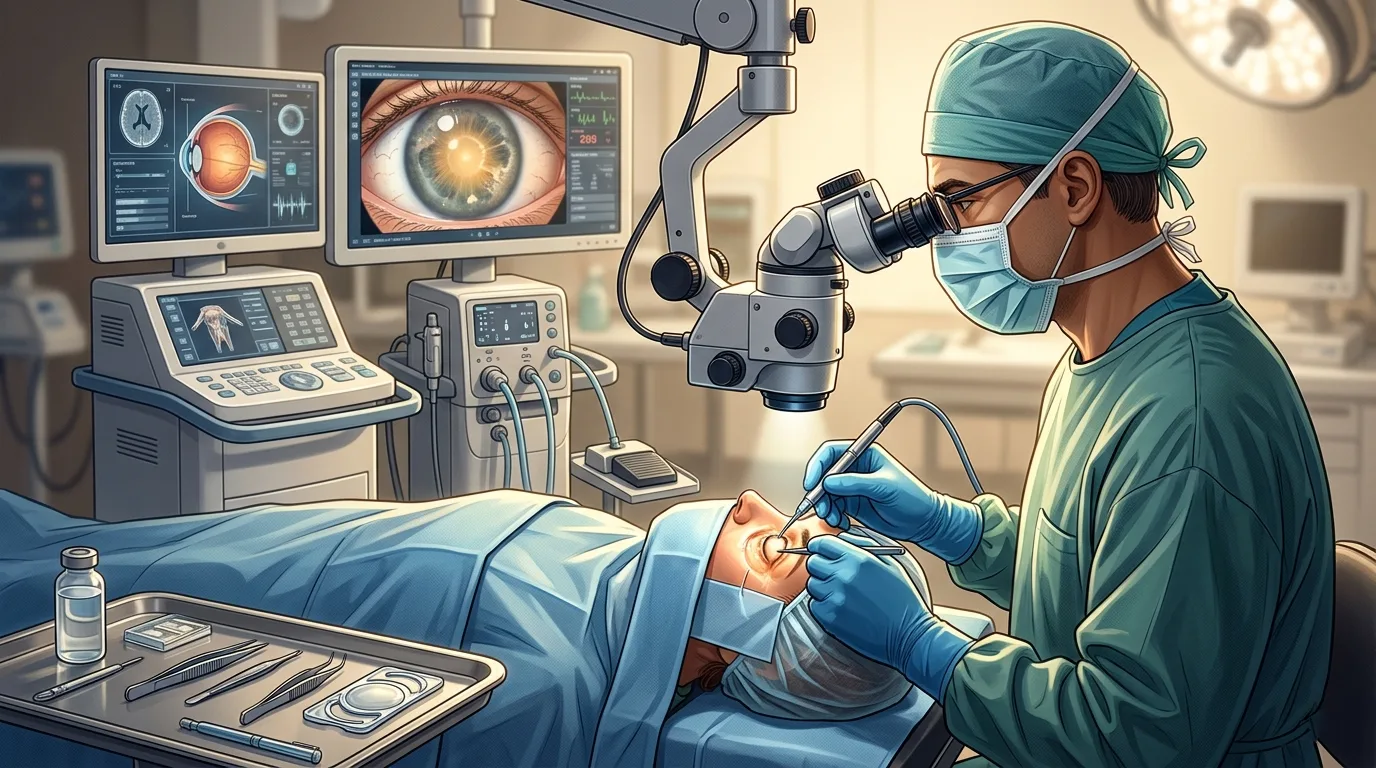
Cataract surgery by a retina surgeon
Choosing a retina surgeon for your cataract surgery offers a considerable advantage in terms of safety and quality of care. Dr Julien Gozlan, an ophthalmologist surgeon in Paris 16, combines expertise in cataract surgery and vitreoretinal surgery. This dual competence allows him to manage all intraoperative situations, including the most complex ones, and to offer combined procedures when the retina requires simultaneous treatment. This article explains why entrusting your cataract to a retina surgeon provides additional peace of mind, from complication management to the treatment of associated retinal conditions.
Read more
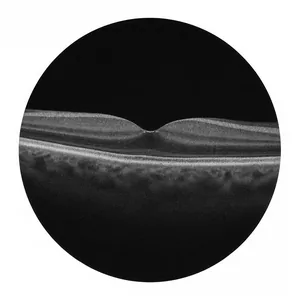
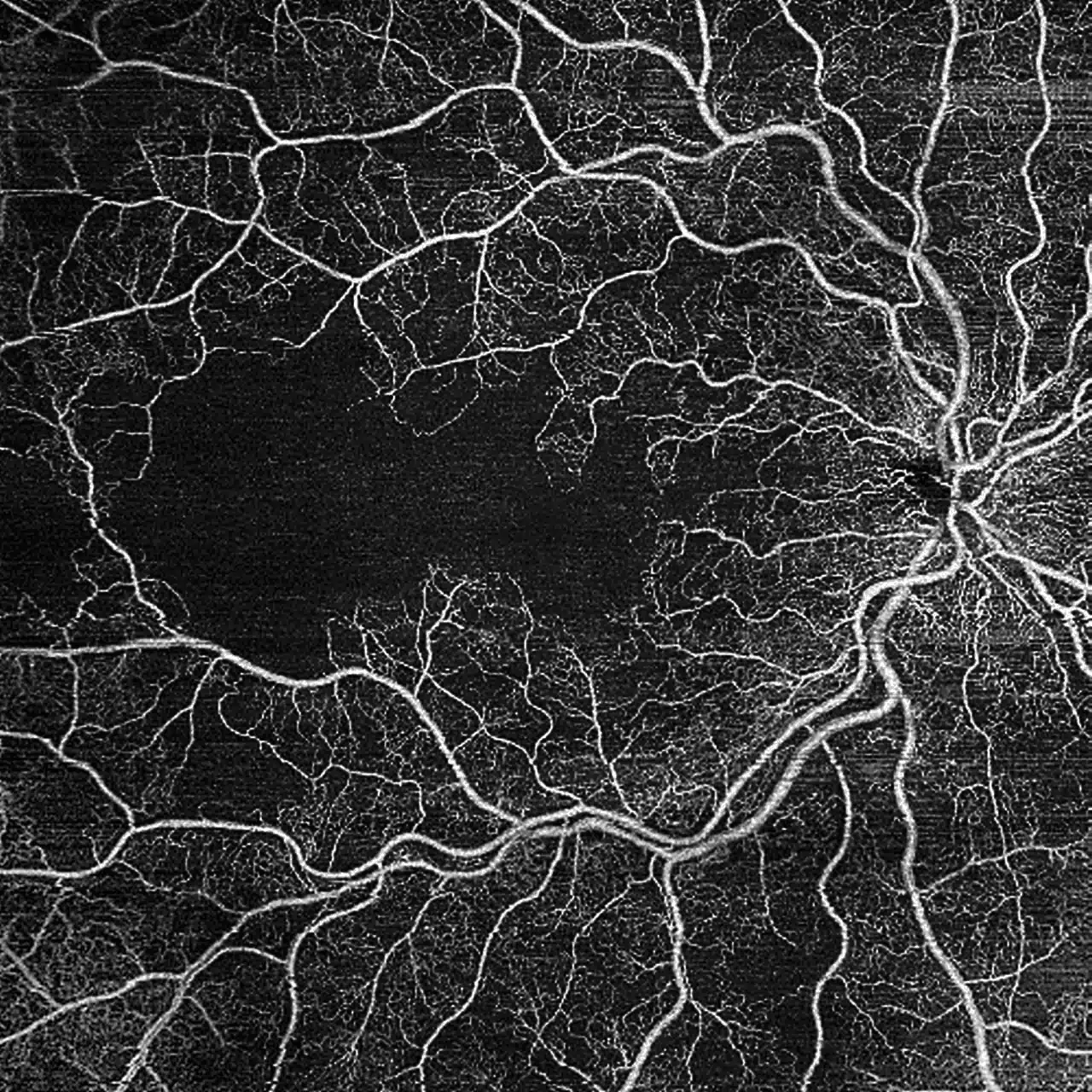
OCT angiography
OCT angiography (or OCT-A) is a recent imaging technique that allows visualization of blood circulation in the retina and choroid without dye injection. It complements standard macular OCT and fluorescein angiography. Dr Julien Gozlan, ophthalmic surgeon in Paris 16, explains the principle, indications, and limitations of OCT angiography.
Read more
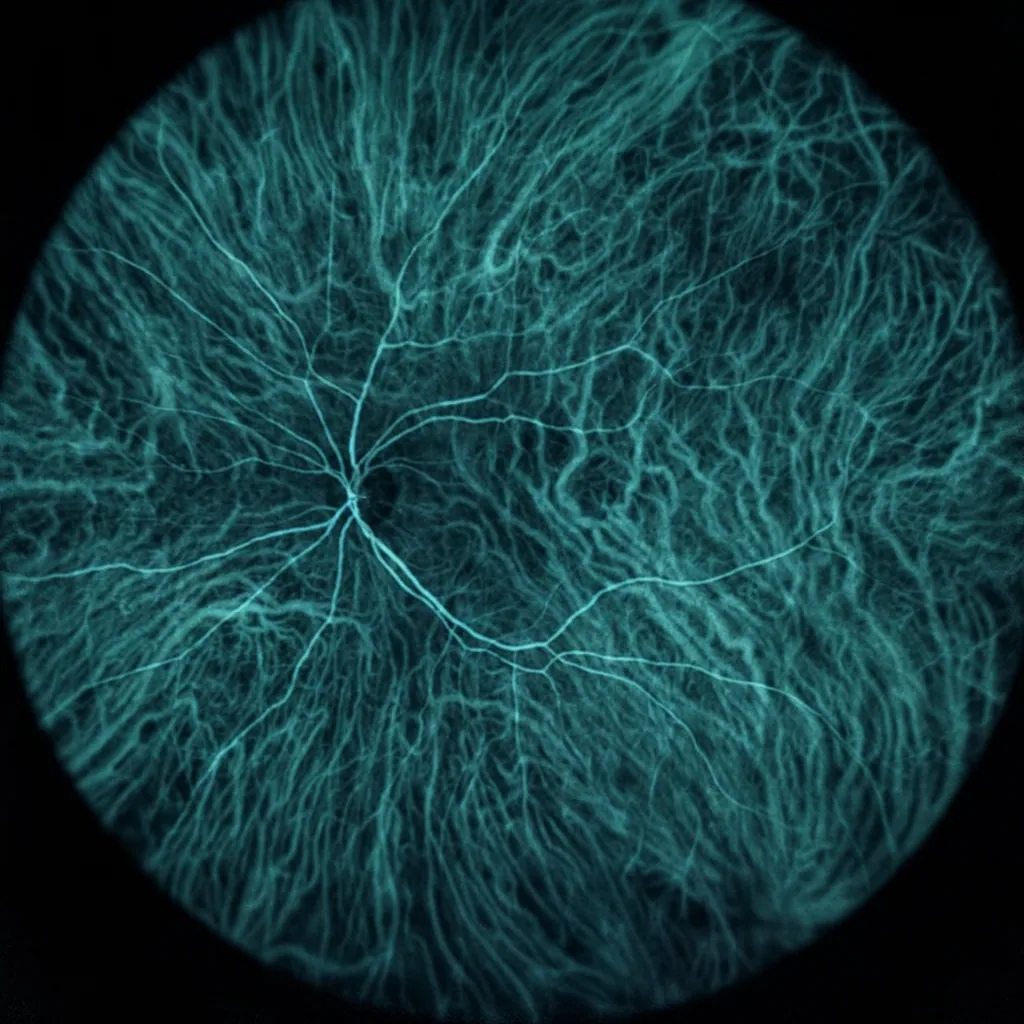
Indocyanine green angiography
Indocyanine green angiography (ICG) is an imaging examination that highlights the choroidal circulation, located beneath the retina. Complementary to fluorescein angiography and macular OCT, indocyanine green angiography aids in diagnosing choroidal conditions and guides their treatment.
Read more
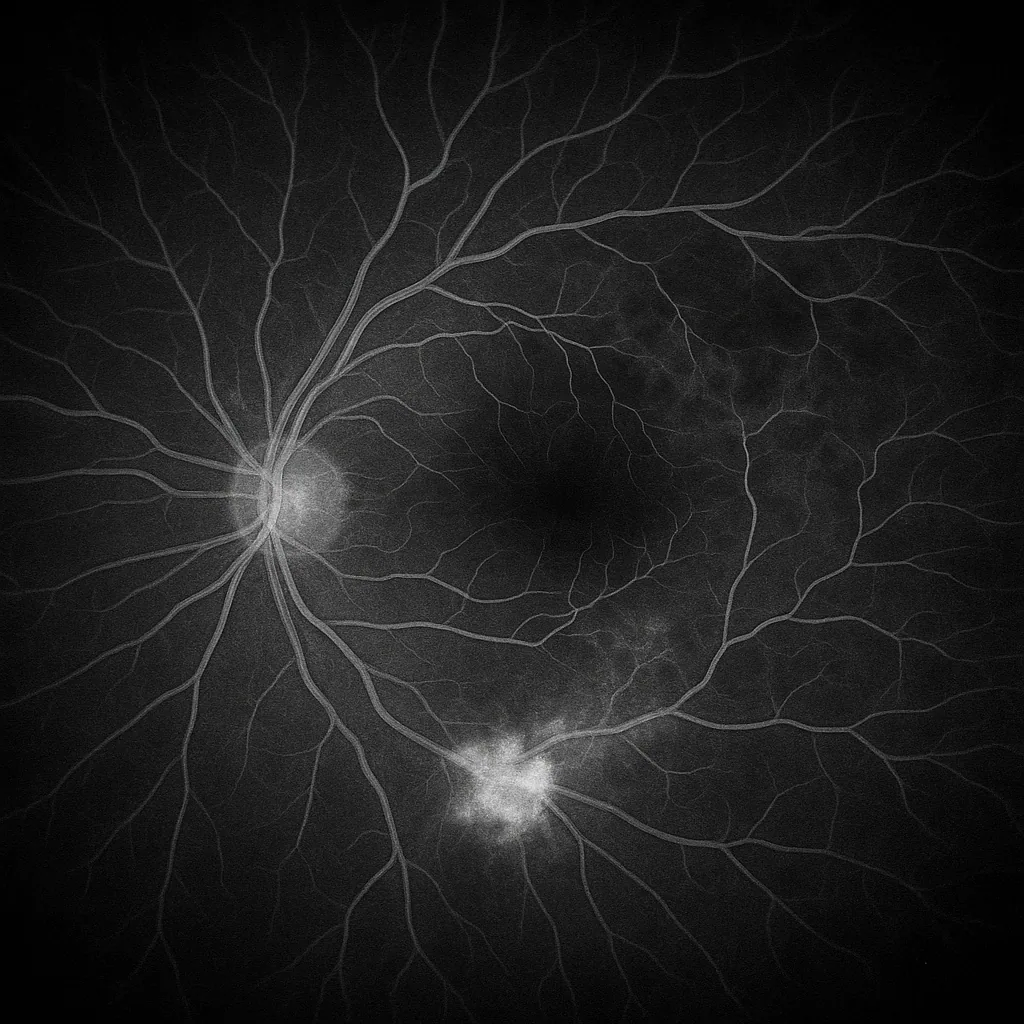
Fluorescein angiography
Fluorescein angiography is a retinal imaging examination that allows observation of blood circulation and identification of leaks, hemorrhages, or ischemia. Performed in the office, this examination helps establish a precise diagnosis and guide the treatment of macular conditions such as AMD, or retinal vascular disorders such as CRVO. Dr Julien Gozlan explains its principle, indications, procedure, and risks.
Read more
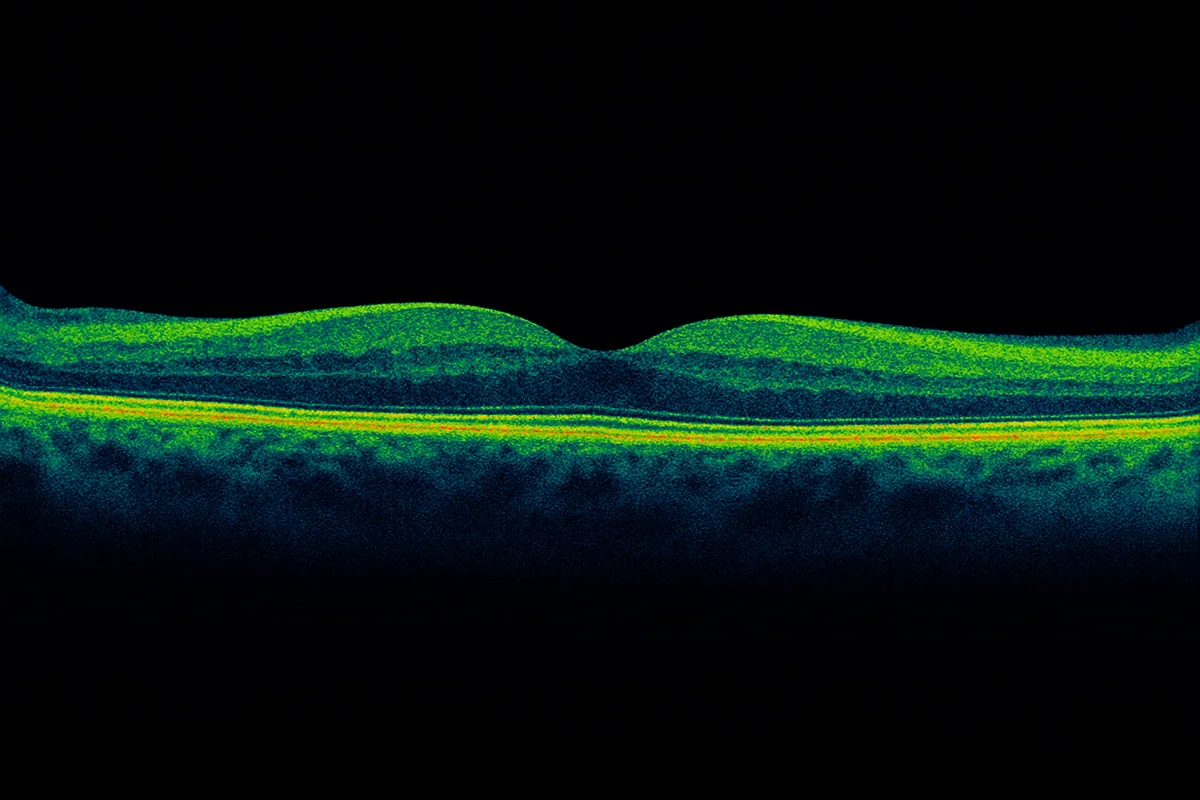
Macular OCT (optical coherence tomography)
OCT (optical coherence tomography) is a retinal imaging exam that has become essential in ophthalmology. It allows highly precise analysis of the macula – the central area of the retina responsible for fine vision. Dr Julien Gozlan, ophthalmic surgeon in Paris 16, explains what macular OCT involves, when it is indicated, and how the examination is performed.
Read more