Retinal Diseases
28 articles
AMD and dietary supplements: What AREDS2 demonstrates
The AREDS2 formula reduces the risk of intermediate AMD progression by approximately 25%, but does not prevent the disease. Composition, indications, precautions for smokers: an overview of dietary supplements.
Read more
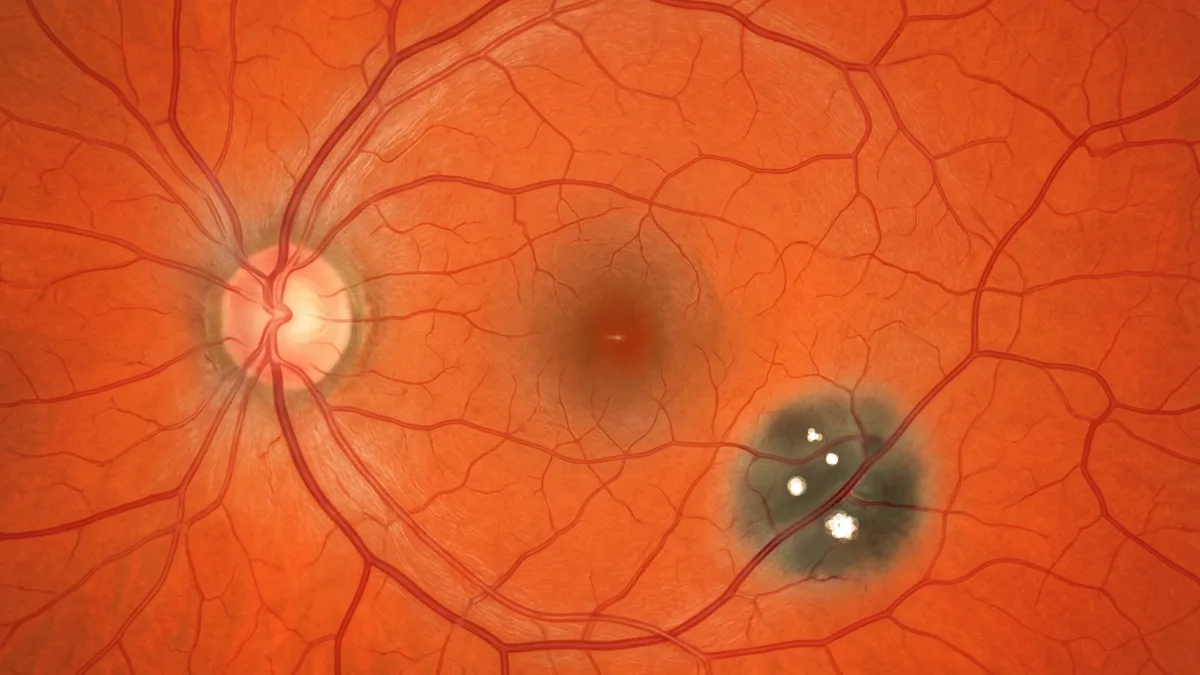
Congenital hypertrophy of the retinal pigment epithelium
Congenital hypertrophy of the retinal pigment epithelium is a benign and very common lesion of the fundus, present from birth. It appears as a flat, well-defined and heavily pigmented spot, most often discovered by chance. Benign and silent, it mainly needs to be recognised so as not to be confused with a tumour. Dr Julien Gozlan, ophthalmic surgeon specialising in the retina in Paris 16, explains what congenital hypertrophy of the retinal pigment epithelium is, how it is diagnosed and in which cases it warrants further investigation.
Read more
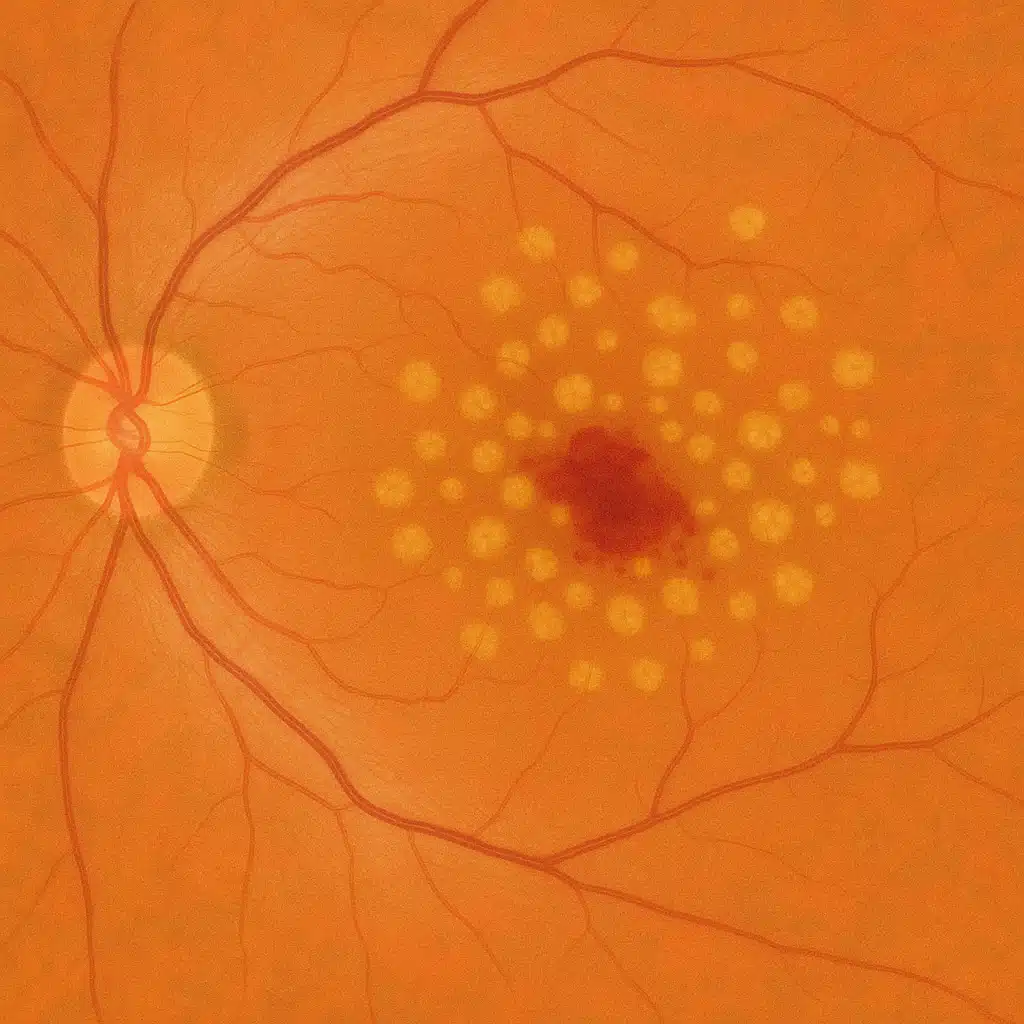
Symptoms of AMD
Recognising the symptoms of AMD (age-related macular degeneration) as early as possible is essential: one of its forms requires prompt treatment. Straight lines that appear wavy, a blurred spot in the centre of vision, difficulty reading… Dr Julien Gozlan, ophthalmologist and retina specialist in Paris 16, describes the warning signs to watch for — and those that progress silently.
Read more
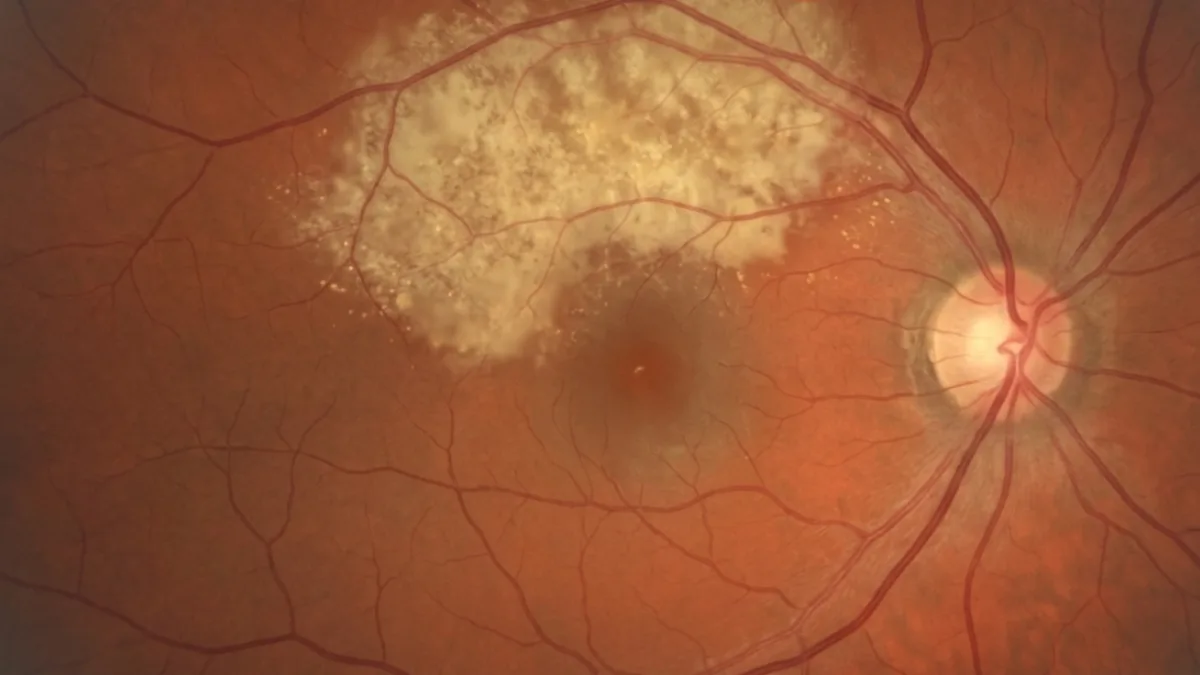
Choroidal osteoma
The choroidal osteoma is a rare benign tumour of the choroid, made of mature bone tissue. It mainly affects young women and is most often located near the optic nerve. Although benign, the choroidal osteoma can affect vision when it decalcifies or is complicated by abnormal vessels. Dr Julien Gozlan, ophthalmic surgeon specialising in the retina in Paris 16, explains what a choroidal osteoma is, how it is diagnosed and how it is monitored.
Read more
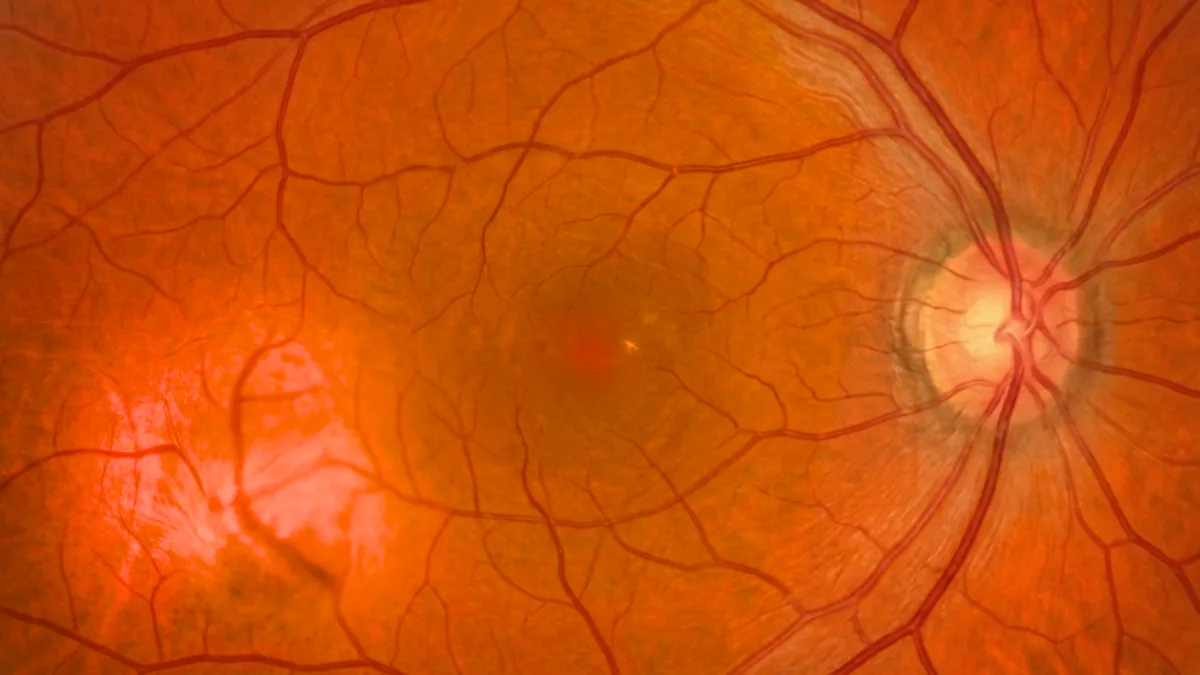
Choroidal haemangioma
The choroidal haemangioma is a benign vascular tumour of the choroid, that is, a malformation made of normal but abnormally clustered blood vessels. Unlike melanoma, it is not cancerous and never metastasises. It can, however, affect vision when it causes fluid to accumulate beneath the retina. Dr Julien Gozlan, ophthalmic surgeon specialising in the retina in Paris 16, explains what a choroidal haemangioma is, how it is diagnosed and what treatment options are available.
Read more
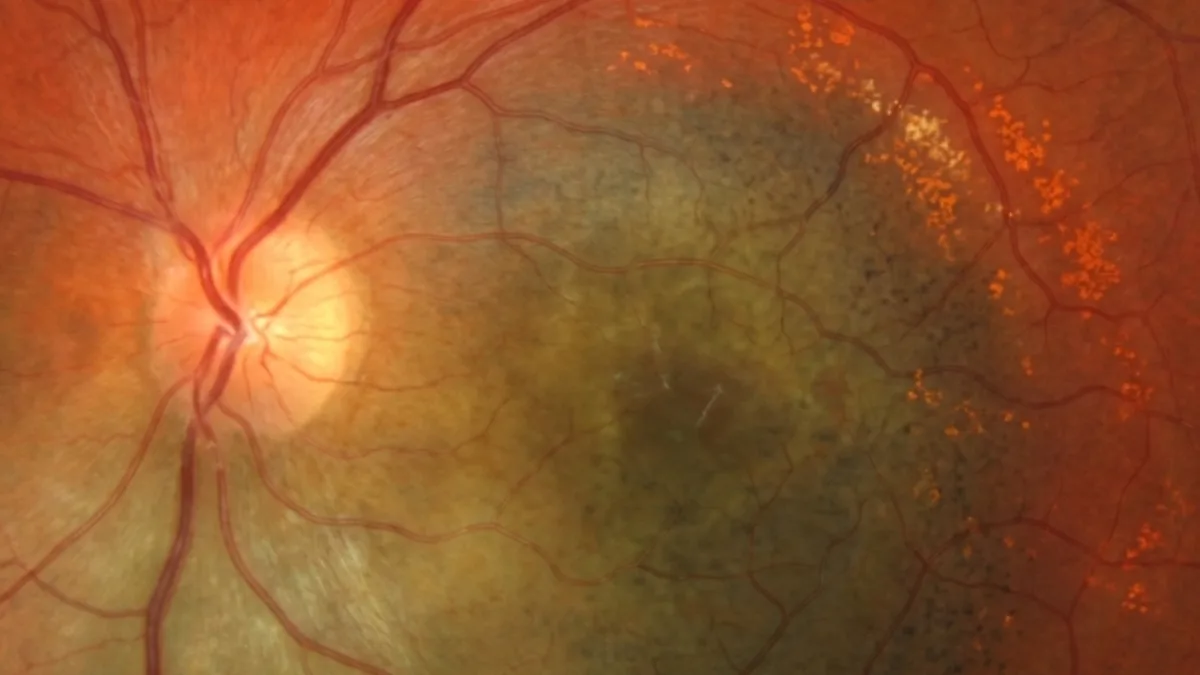
Choroidal melanoma
The choroidal melanoma is the most common primary malignant tumour of the eye in adults. Arising from the melanocytes of the choroid — the vascular membrane located beneath the retina — it can remain silent for a long time before affecting vision. Early diagnosis is decisive, as it determines both eye preservation and the patient's prognosis. Dr Julien Gozlan, ophthalmic surgeon specialising in the retina in Paris 16, explains how to recognise a choroidal melanoma, how it is diagnosed and what the current treatment options are.
Read more
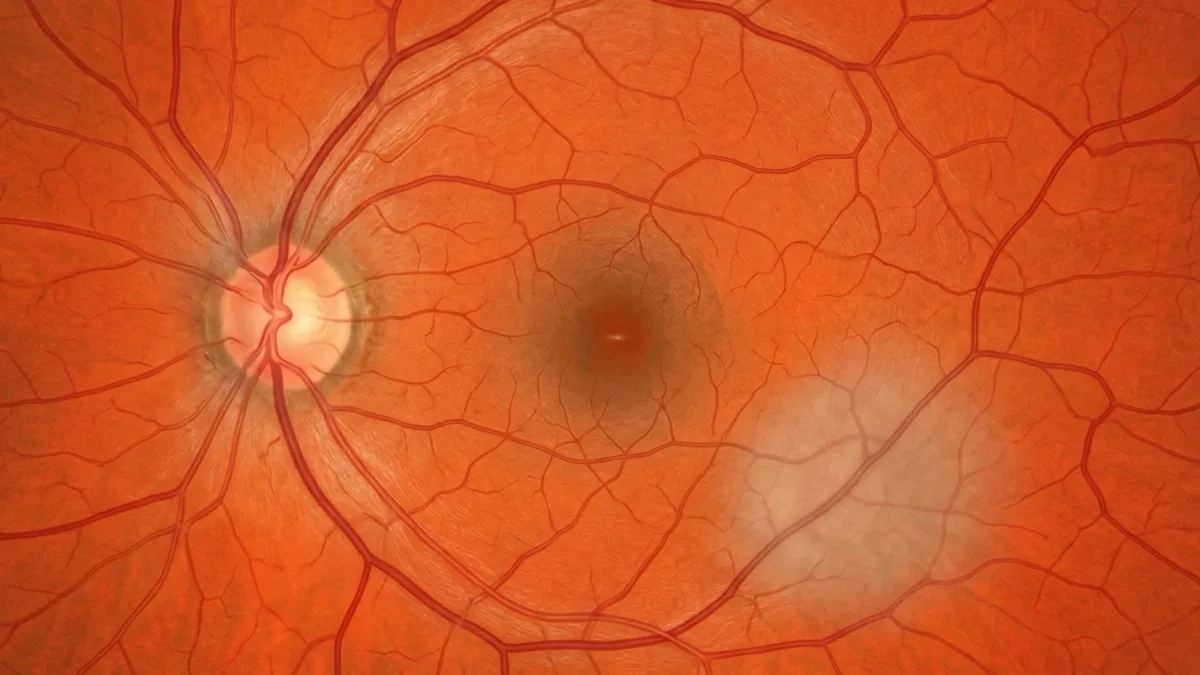
Choroidal metastasis
Choroidal metastasis refers to a secondary tumour localisation within the choroid, the vascular membrane situated between the retina and the sclera of the eye. Dr Julien Gozlan, ophthalmologist surgeon specialising in the retina in Paris 16, manages patients presenting with this ocular condition, which is often an indicator of a distant cancer. This article details the mechanisms of choroidal metastasis, the symptoms that should raise concern, the essential diagnostic examinations and current therapeutic options, presented in a reassuring and educational approach.
Read more
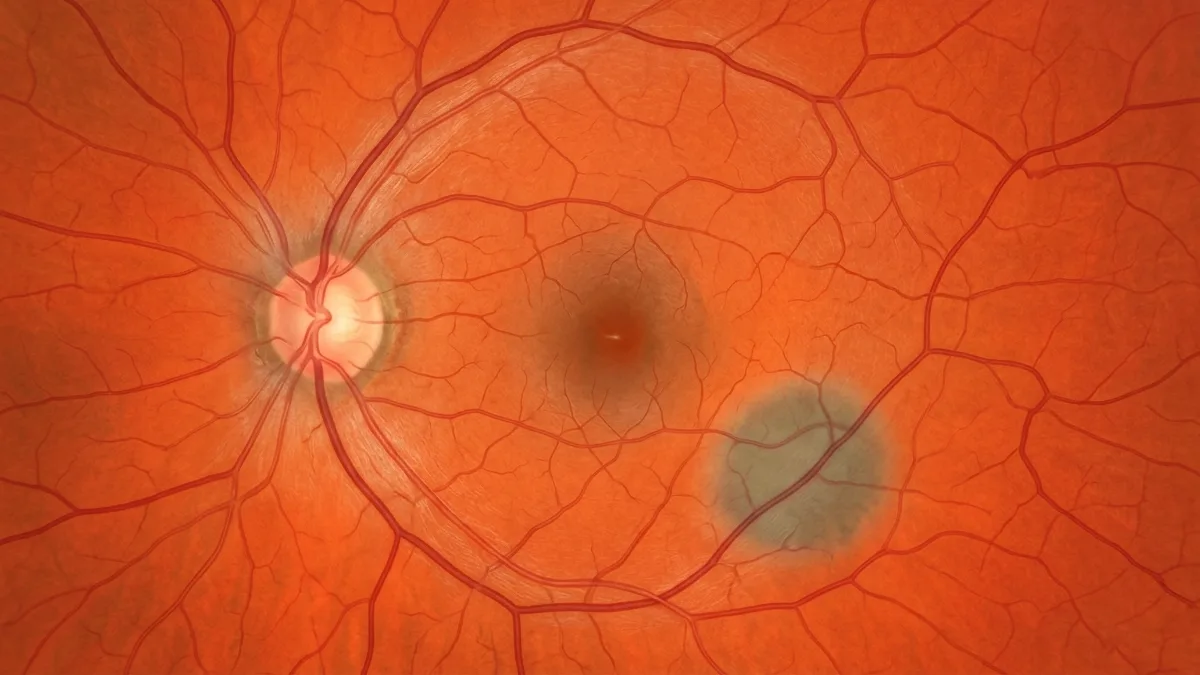
Choroidal naevus
A choroidal naevus is a benign pigmented lesion located at the back of the eye, often discovered incidentally during a routine ophthalmological examination. Comparable to a skin mole, this naevus develops in the choroid, the vascular membrane that nourishes the retina. Dr Julien Gozlan, ophthalmologist surgeon specialising in the retina in Paris 16, explains in this article what a choroidal naevus is, how it is diagnosed, what the monitoring criteria are, and in which cases specific management is required.
Read more
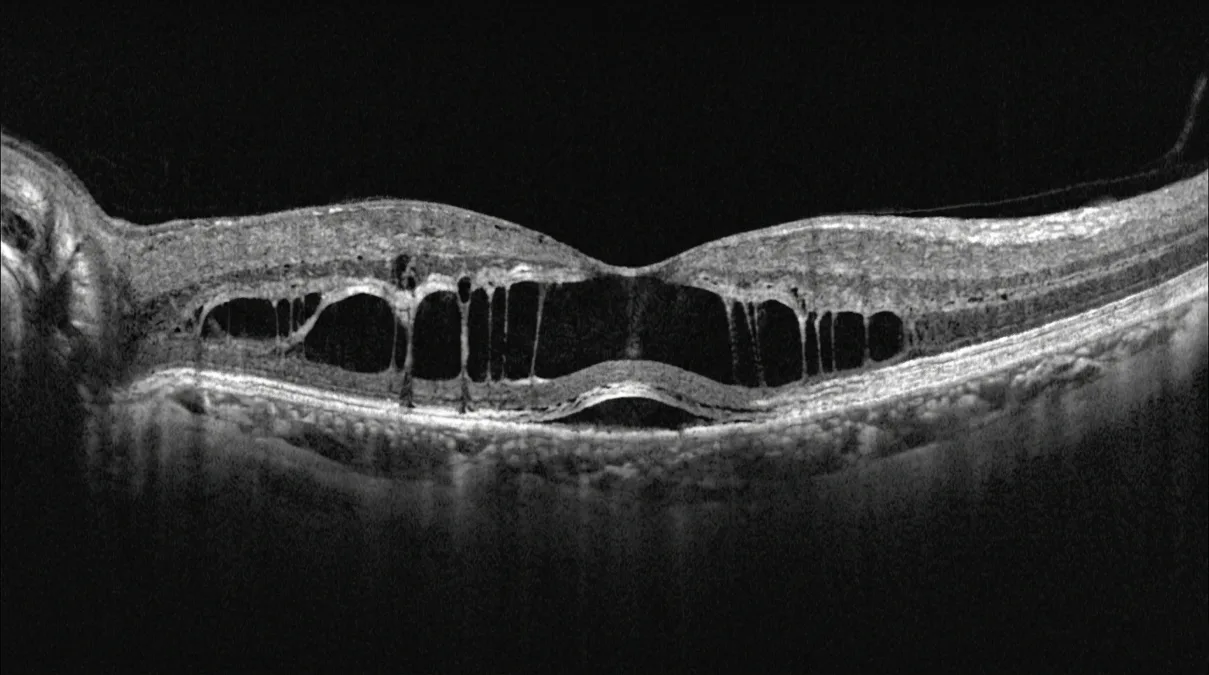
Myopic foveoschisis
Myopic foveoschisis is a degenerative macular condition specific to high myopia, characterized by progressive splitting of the retinal layers at the fovea. Long underdiagnosed, this condition is now identified thanks to optical coherence tomography (OCT). Dr Julien Gozlan, ophthalmic surgeon specializing in vitreoretinal surgery at Cabinet Ophtalmologique Paris – Auteuil, offers a comprehensive overview of this disease: definition, pathophysiological mechanisms, symptoms, imaging diagnosis, surgical indications, operative techniques, and visual prognosis.
Read more
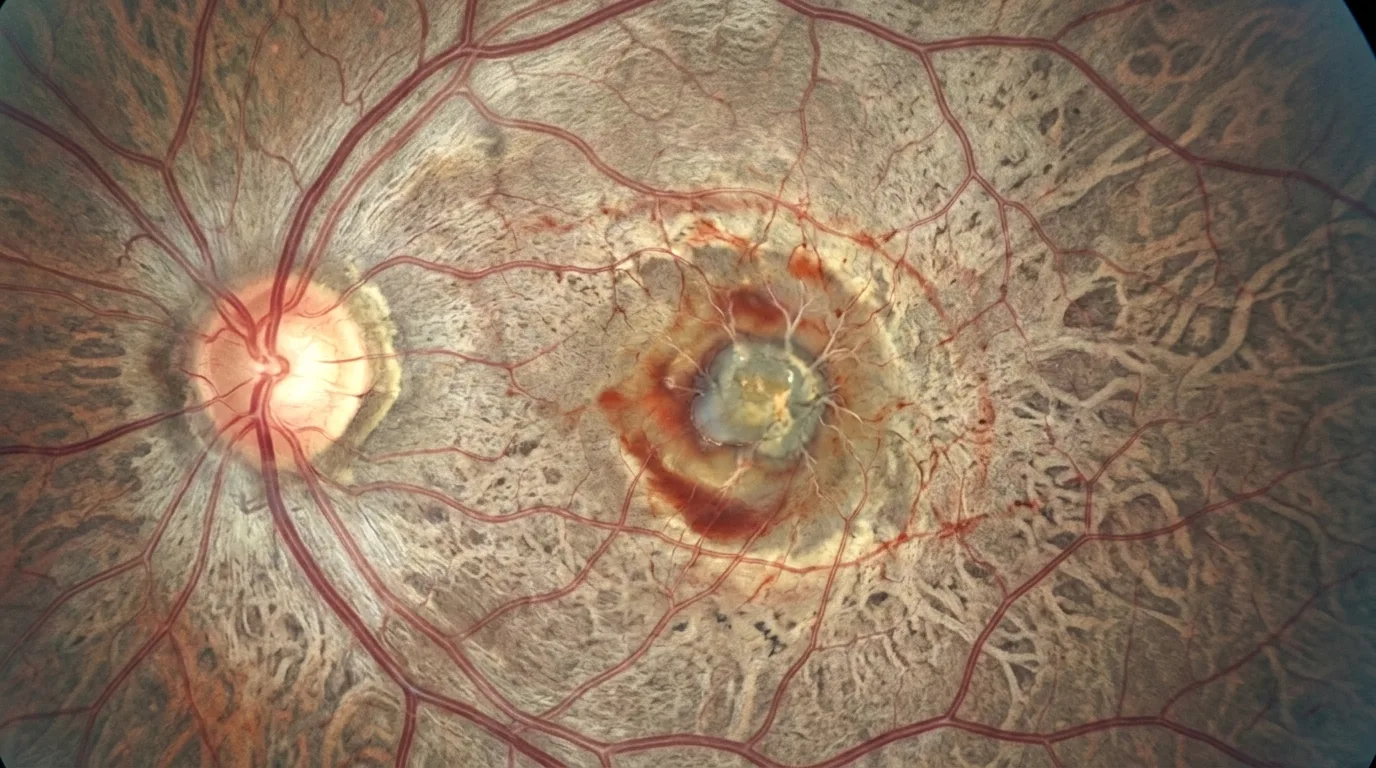
Choroidal neovascularization in high myopia
Choroidal neovascularization in high myopia is one of the most feared ocular complications in highly myopic patients. Dr Julien Gozlan, an ophthalmologist and surgeon specializing in retinal diseases at Cabinet Ophtalmologique Paris – Auteuil, manages this macular condition using state-of-the-art diagnostic equipment including OCT and OCT angiography. This article details the pathophysiological mechanisms of myopic choroidal neovascularization, its symptoms, current diagnostic methods, treatment with intravitreal anti-VEGF injections, and long-term visual prognosis.
Read more
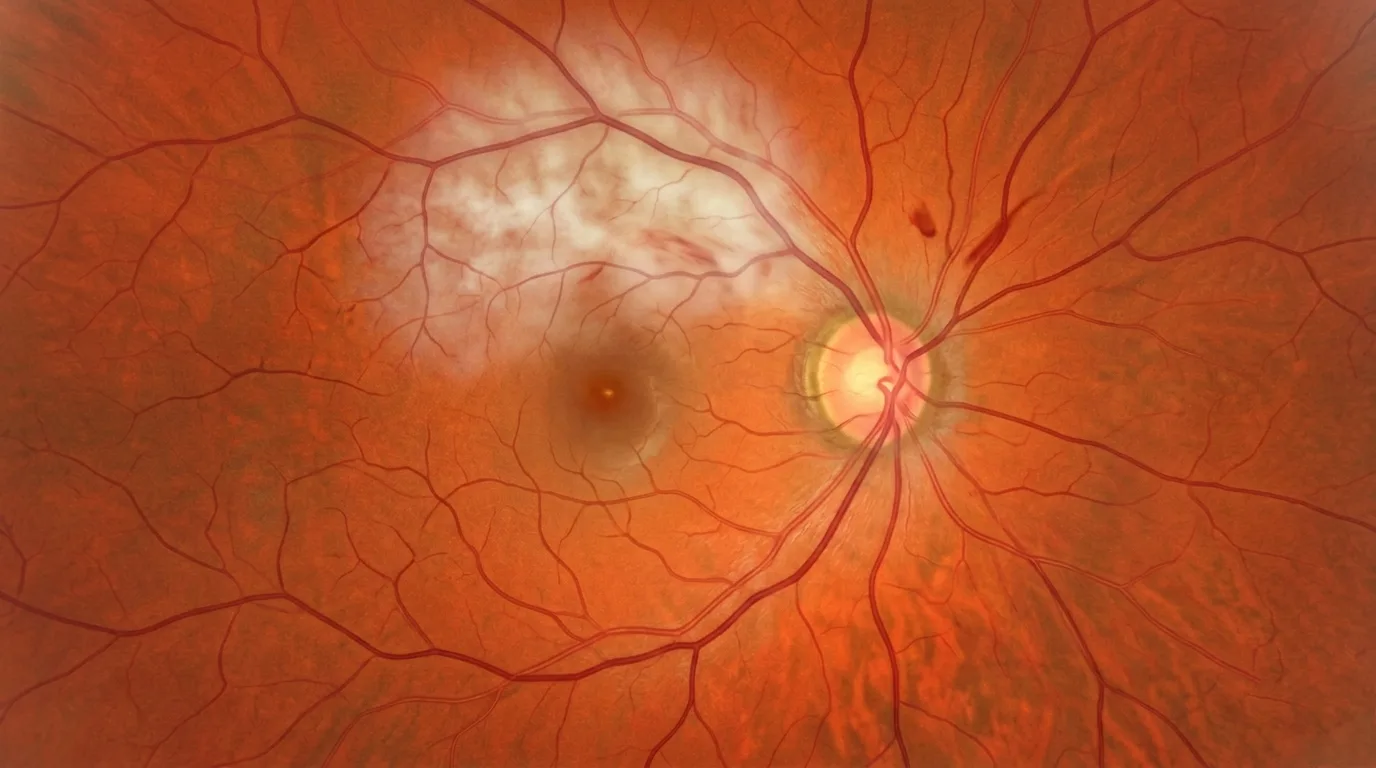
Retinal artery occlusion
Retinal artery occlusion is an ophthalmological emergency characterised by sudden loss of vision, comparable to a stroke of the eye. This rare but serious condition results from the interruption of blood flow in an artery supplying the retina, causing ischaemia that can lead to irreversible damage within hours. Dr Julien Gozlan, retina specialist at Cabinet Ophtalmologique Paris – Auteuil, explains in this article the different forms of retinal artery occlusion, their causes, warning symptoms, diagnostic examinations performed (fundus examination, OCT, OCT angiography), emergency management, visual prognosis and the critical importance of the associated cardiovascular workup.
Read more
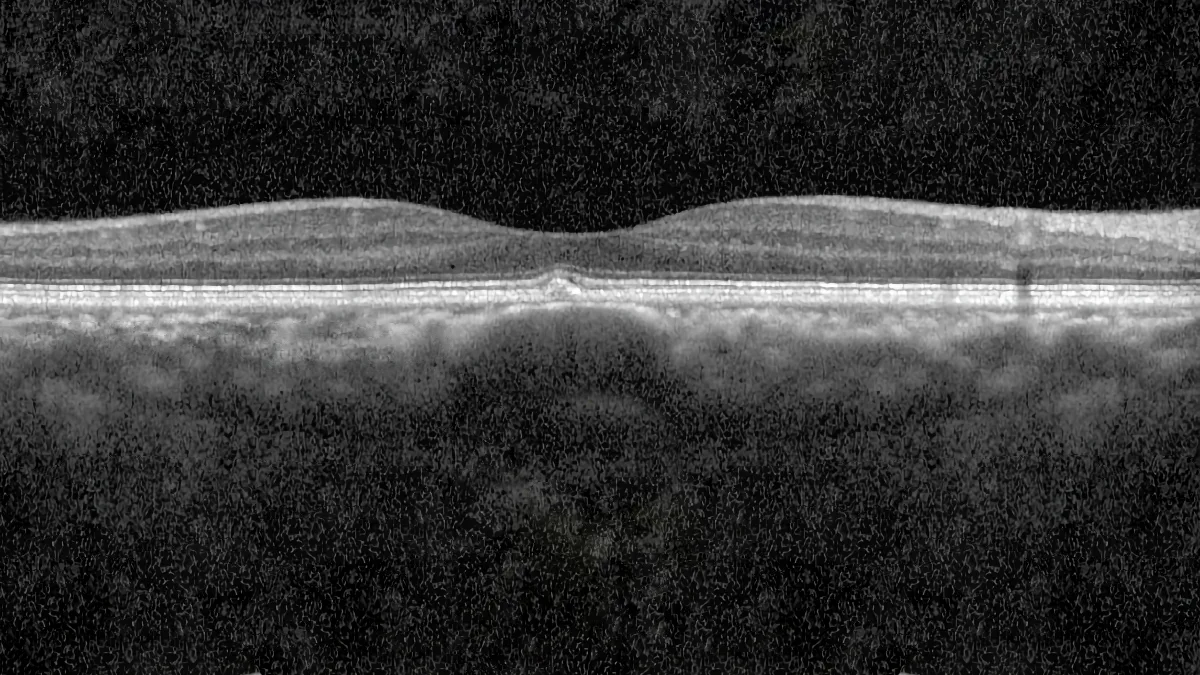
Pachychoroid
The pachychoroide spectrum encompasses a set of ocular pathologies sharing common abnormalities of the choroid, this vascular nourishing layer located beneath the retina. First described in 2013, this concept has profoundly changed our understanding of many retinal diseases. Dr Julien Gozlan, an ophthalmologist specializing in retinal diseases at Paris – Auteuil Ophthalmology Practice, offers you in this article a clear and accessible explanation of what pachychoroide is, the different pathologies that make up this spectrum, the examinations necessary for diagnosis and the available treatments.
Read more
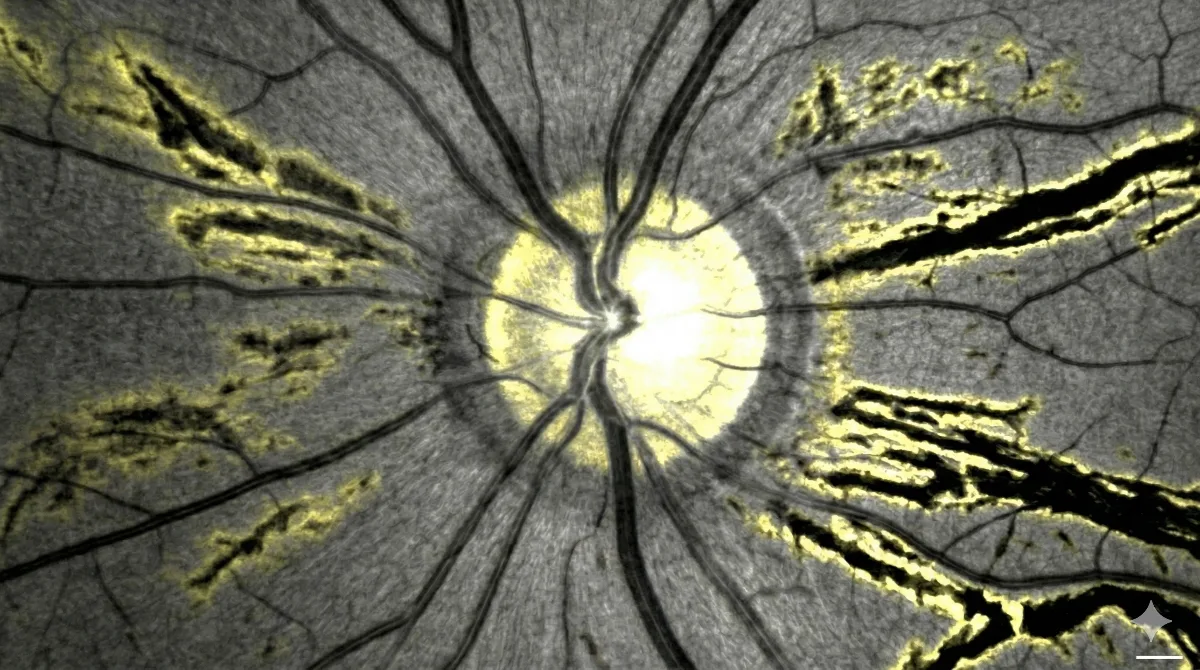
Angioid streaks
Angioid streaks are a rare but potentially serious ocular condition caused by breaks in Bruch's membrane at the back of the eye. Dr Julien Gozlan, ophthalmic surgeon specializing in retinal diseases in Paris 16, regularly sees patients affected by this condition. In this article, we explain in simple terms what angioid streaks are, their causes, the symptoms that should raise concern, the examinations required for diagnosis, and the treatments available today to preserve your vision.
Read more
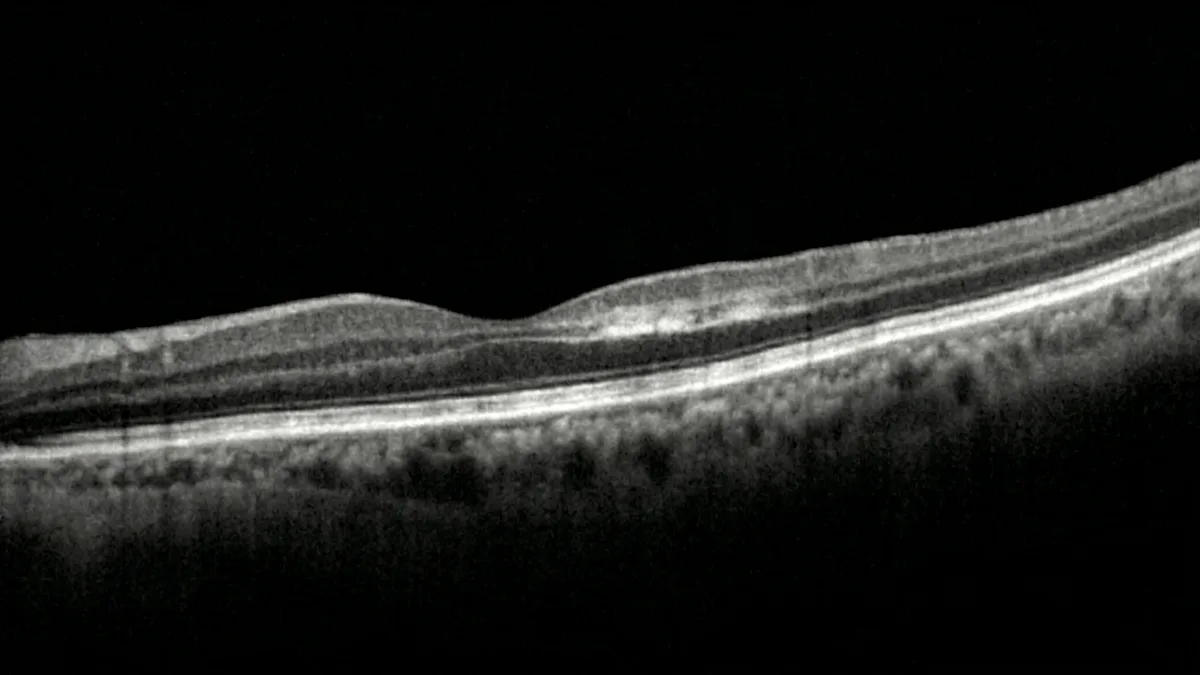
PAMM (paracentral acute middle maculopathy)
PAMM (Paracentral Acute Middle Maculopathy) is a recently identified ischemic retinal condition affecting the intermediate layers of the macular retina. Dr Julien Gozlan, ophthalmic surgeon specializing in retinal diseases and surgery in Paris 16, provides a comprehensive article on this still poorly recognized condition. We will cover the precise definition of PAMM, its pathophysiological mechanisms, identified risk factors, characteristic symptoms, modern diagnostic methods — particularly OCT and OCT angiography — as well as current management and long-term visual prognosis.
Read more
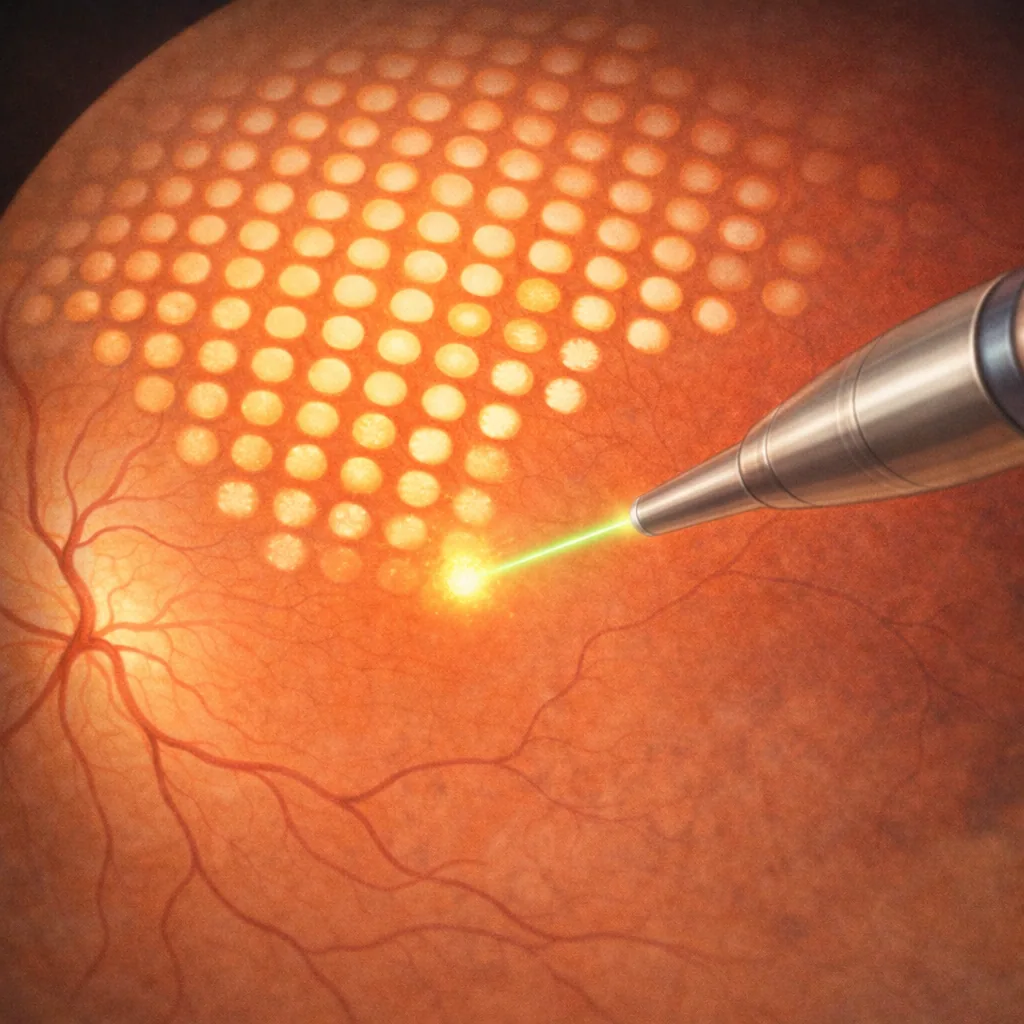
Laser and the retina
Retinal laser (or retinal photocoagulation) is a major treatment in ophthalmology for protecting the retina and preventing certain serious complications, such as retinal detachment or vision loss related to diabetes or retinal vein occlusions. It does not "repair" everything, but it can often stabilize the condition and limit the risk of worsening. Dr Julien Gozlan, ophthalmologist in Paris 16, explains the indications for this treatment, the practical course of the sessions, the expected outcomes, and the precautions to be aware of.
Read more
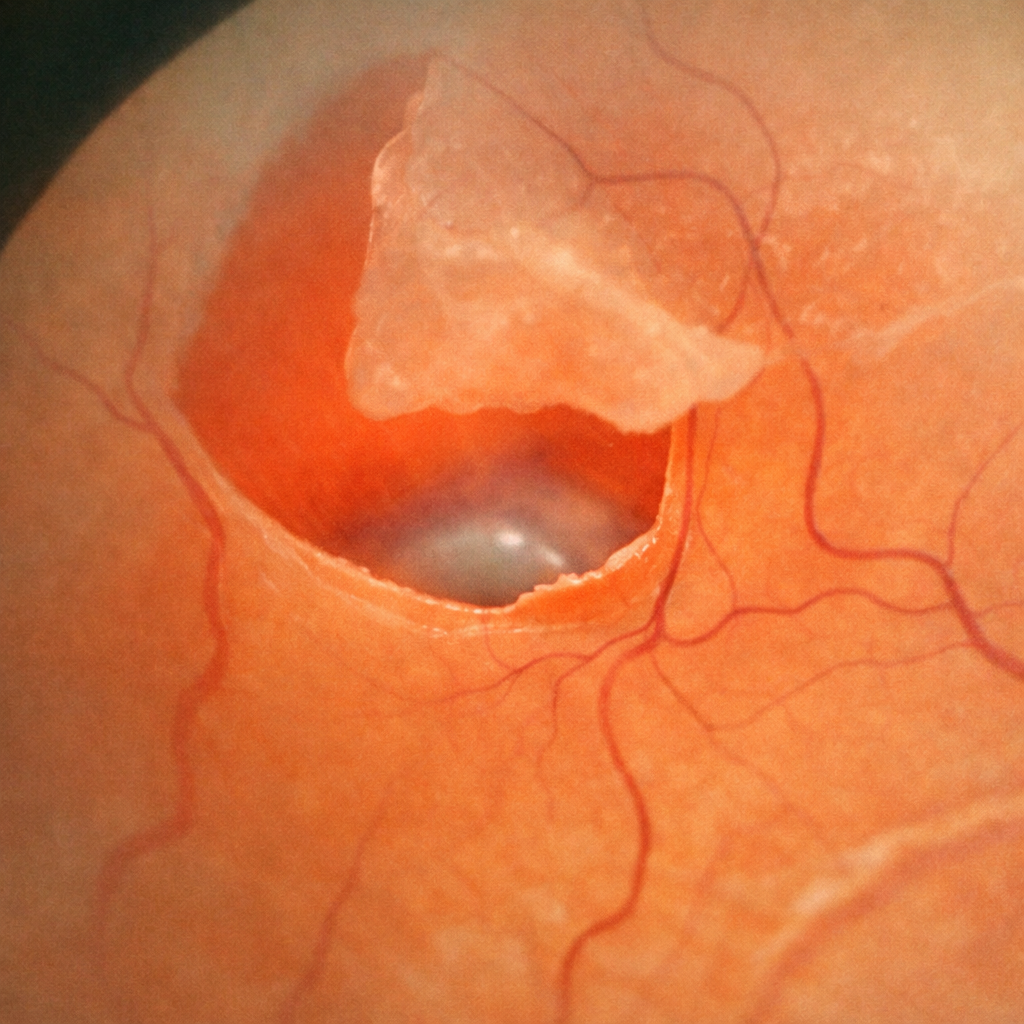
Retinal tear
A retinal tear is a break in the retinal tissue, often caused by traction from the vitreous (the gel that fills the eye). It can remain silent for a long time or present with floaters, flashes of light, or a curtain effect in the visual field. The main risk is progression to a retinal detachment, which constitutes a surgical emergency. Dr Julien Gozlan, ophthalmologist in Paris 16, explains the warning symptoms, diagnosis, laser treatments, and the follow-up that should be implemented.
Read more

AMD and driving
Age-related macular degeneration (AMD) affects central vision — the vision needed to read, recognize faces, and see fine details. Many patients wonder whether they can still drive with AMD, up to what stage, and under which conditions. Dr Julien Gozlan, ophthalmologist in Paris 16, explains how AMD impacts driving, the visual fitness criteria, and the situations where it becomes advisable to limit or stop driving for safety reasons, while preserving independence as much as possible.
Read more
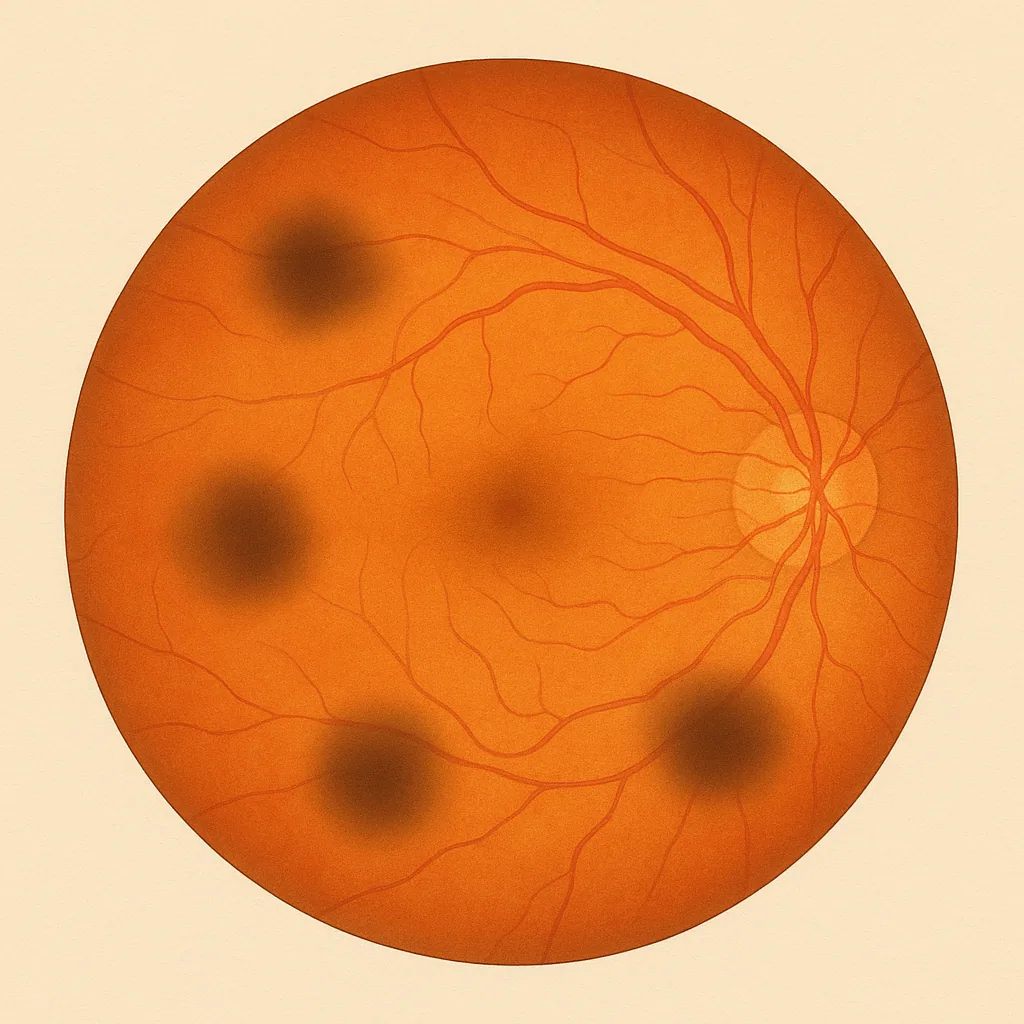
Eye floaters
Also covered onRetine.fr
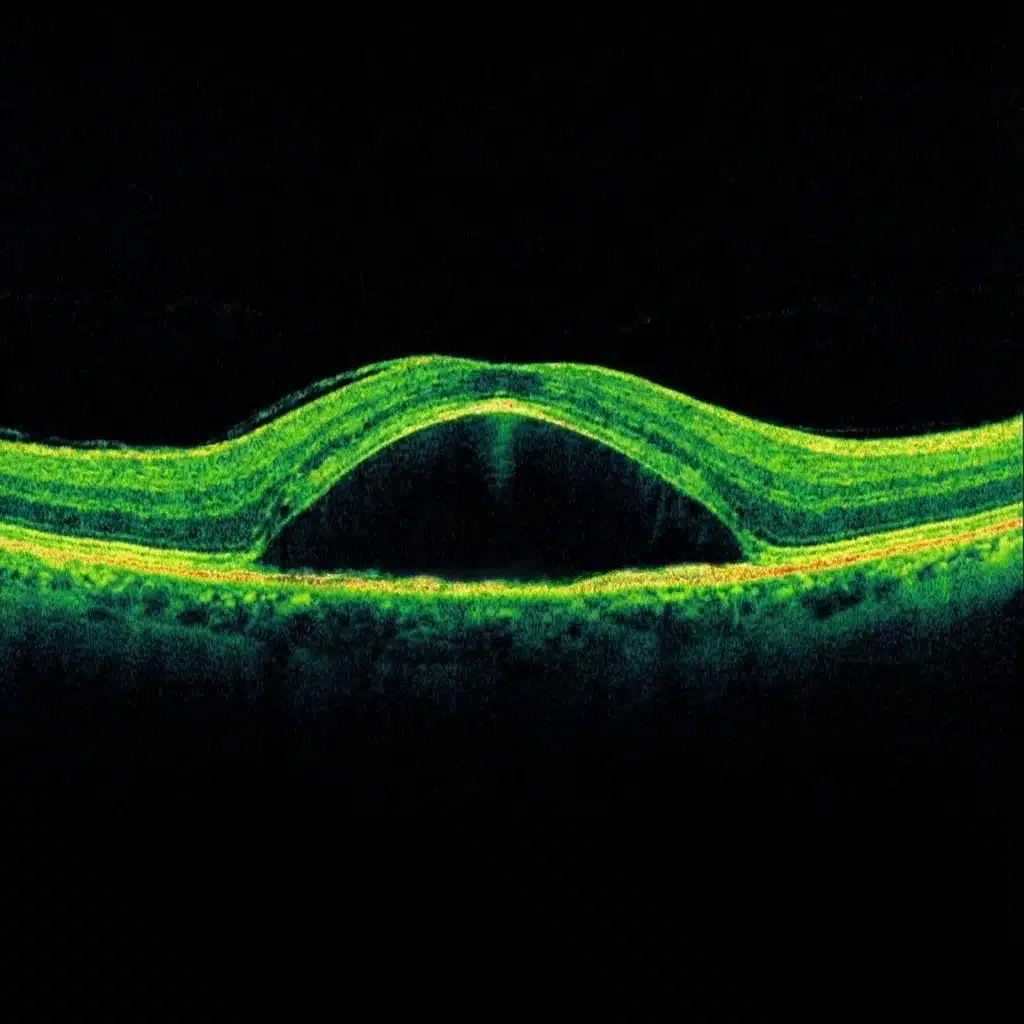
Central serous chorioretinopathy
Central serous chorioretinopathy (CSC) is a retinal disease that primarily affects young or middle-aged adults, often those under stress and sometimes taking corticosteroids. It presents as a small serous detachment of the macula, causing blurred and distorted vision. Dr Julien Gozlan, ophthalmic surgeon in Paris 16, explains the symptoms, the role of OCT, and the treatments for CSC.
Read more
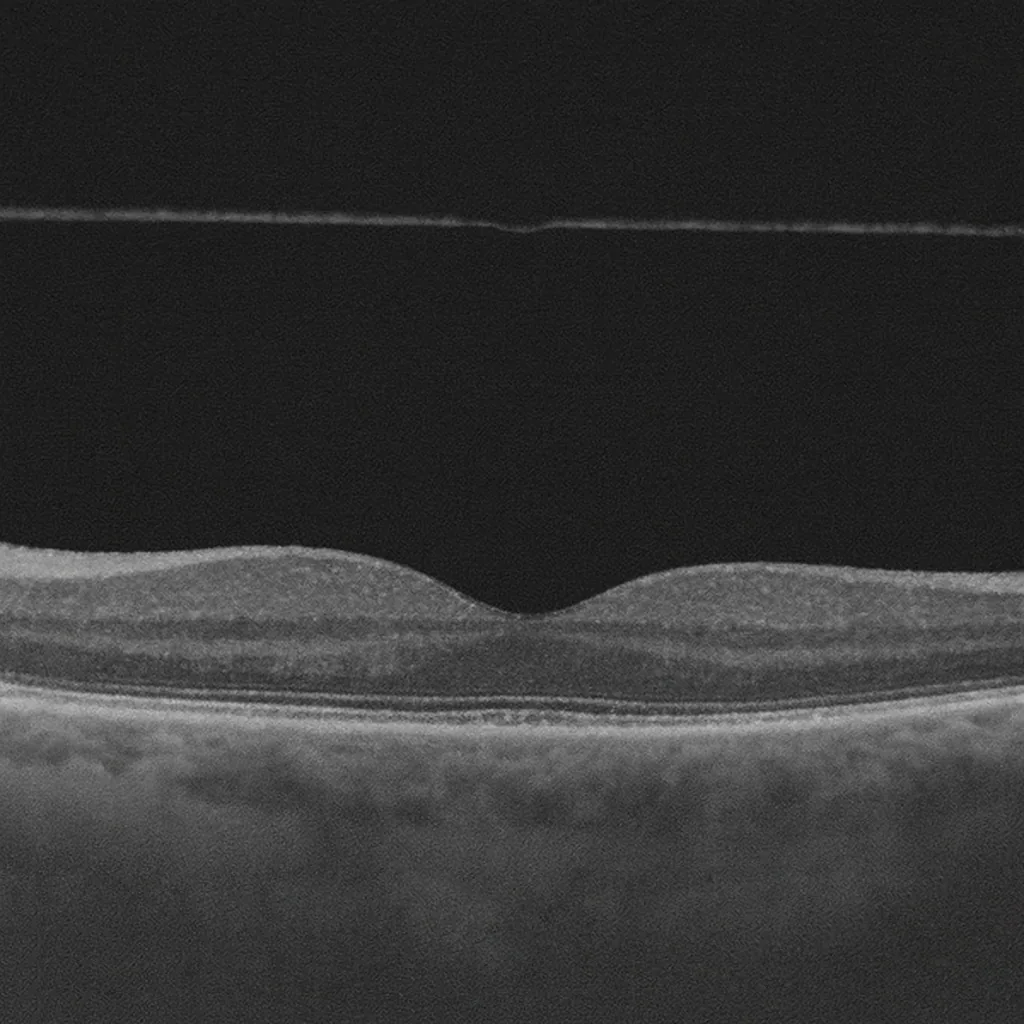
Posterior vitreous detachment: Symptoms, duration and progression
Also covered onRetine.fr
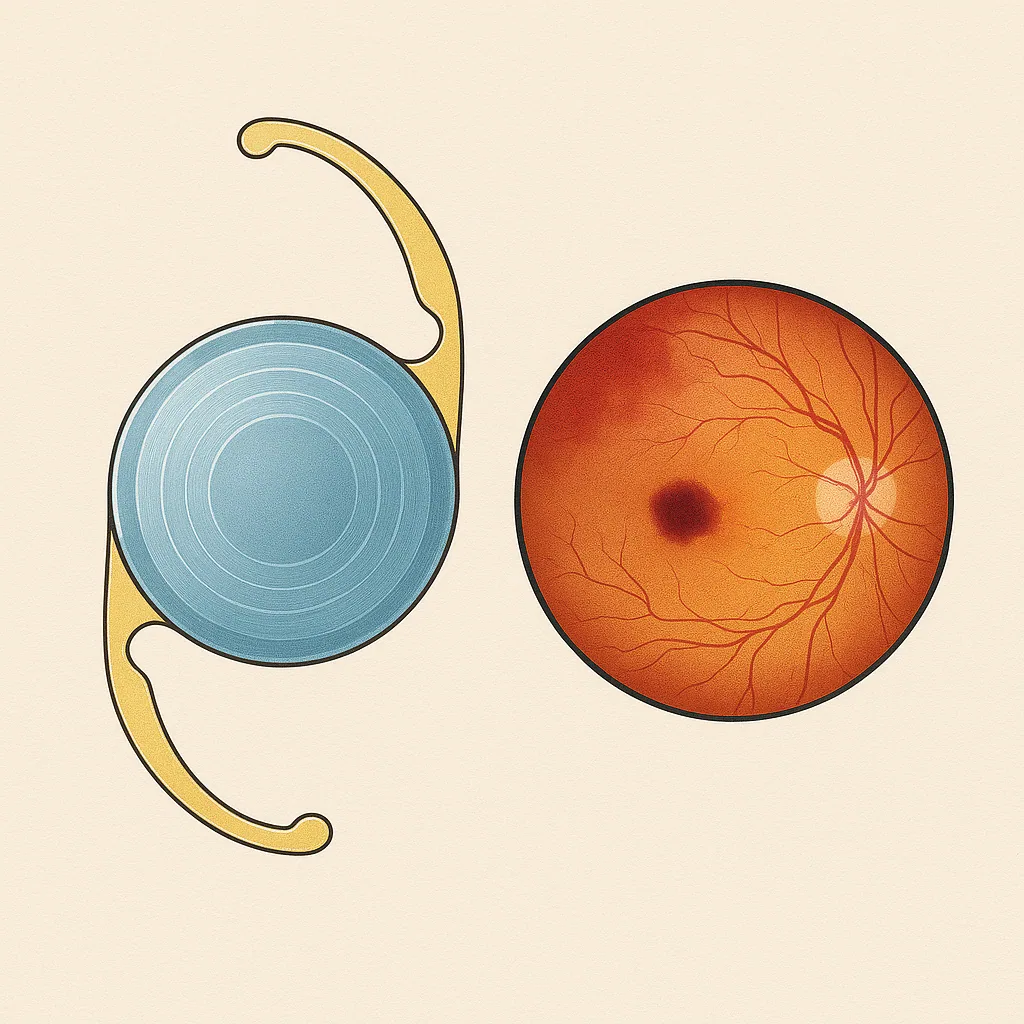
AMD and cataract: Should you have surgery?
Age-related macular degeneration (AMD) and cataract are two very common eye diseases after the age of 60. Many patients ask the following question: AMD and cataract — is the surgery risky? Can it worsen the macula? Dr Julien Gozlan, ophthalmic surgeon in Paris 16, summarizes what the scientific evidence shows and what you need to know before undergoing surgery.
Read more

Causes of AMD
Age-related macular degeneration (AMD) is a chronic disease of the macula, the central part of the retina responsible for fine vision. The main causes of AMD and certain risk factors promote its onset or accelerate its progression. Dr Julien Gozlan, ophthalmic surgeon in Paris 16, reviews the causes of AMD and simple measures to better protect your vision.
Read more
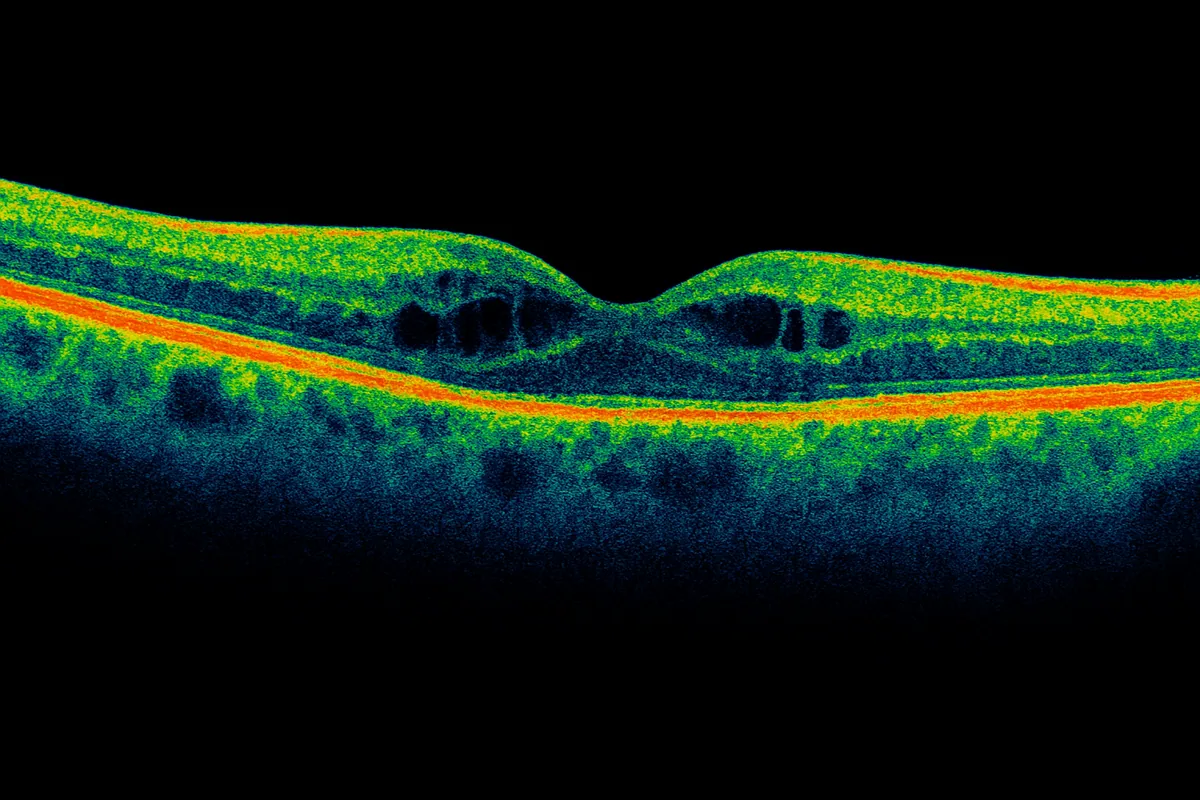
Diabetic macular edema
Diabetic macular edema is a common complication of diabetes that affects the macula, the central portion of the retina responsible for fine vision. It causes blurred and distorted vision. Dr Julien Gozlan, ophthalmologist at Paris – Auteuil Ophthalmology Practice, provides a clear explanation of the causes, diagnosis by macular OCT, and modern treatments for diabetic macular edema.
Read more
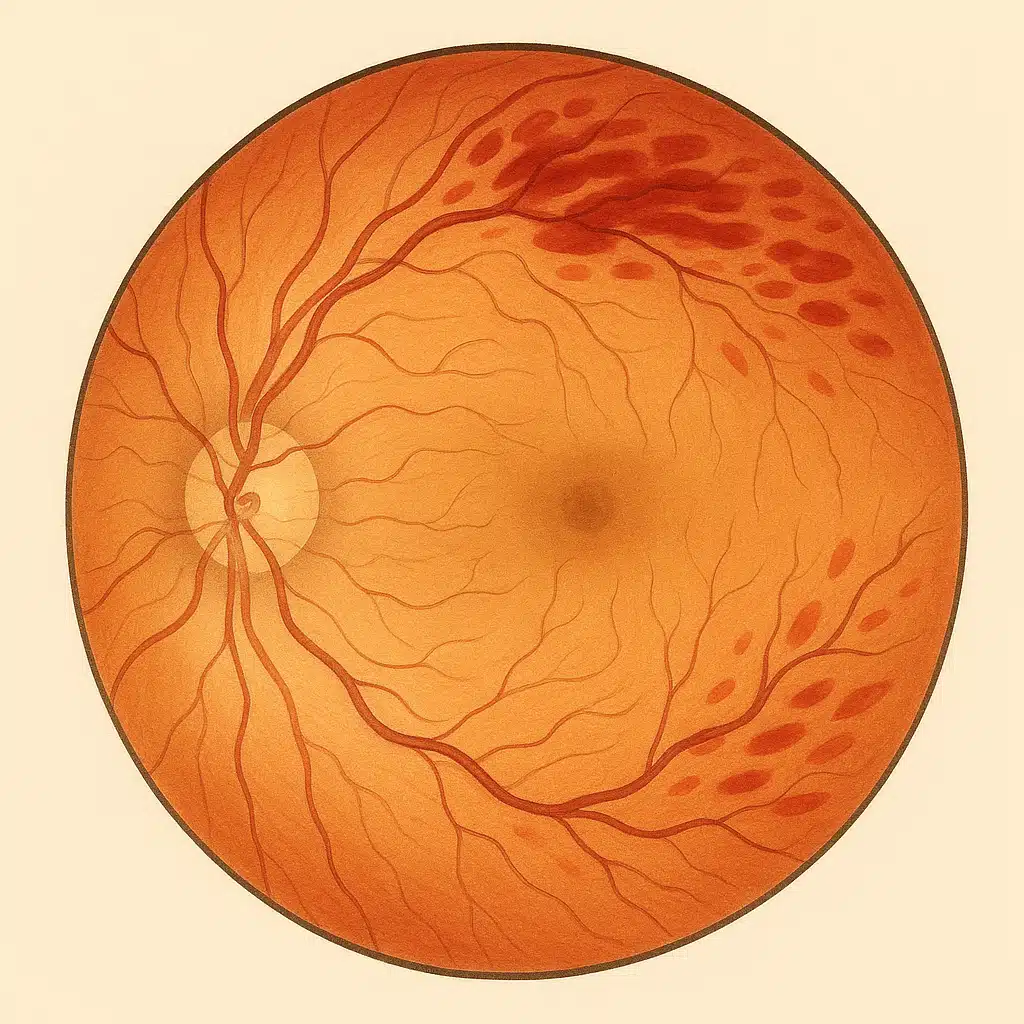
Branch retinal vein occlusion
Branch retinal vein occlusion (BRVO) is a circulatory disorder affecting a branch of the retinal vein. It can cause decreased vision, sometimes sudden, and requires close ophthalmological monitoring. Dr Julien Gozlan, ophthalmic surgeon, explains the causes, symptoms, examinations, and treatments to be implemented.
Read more
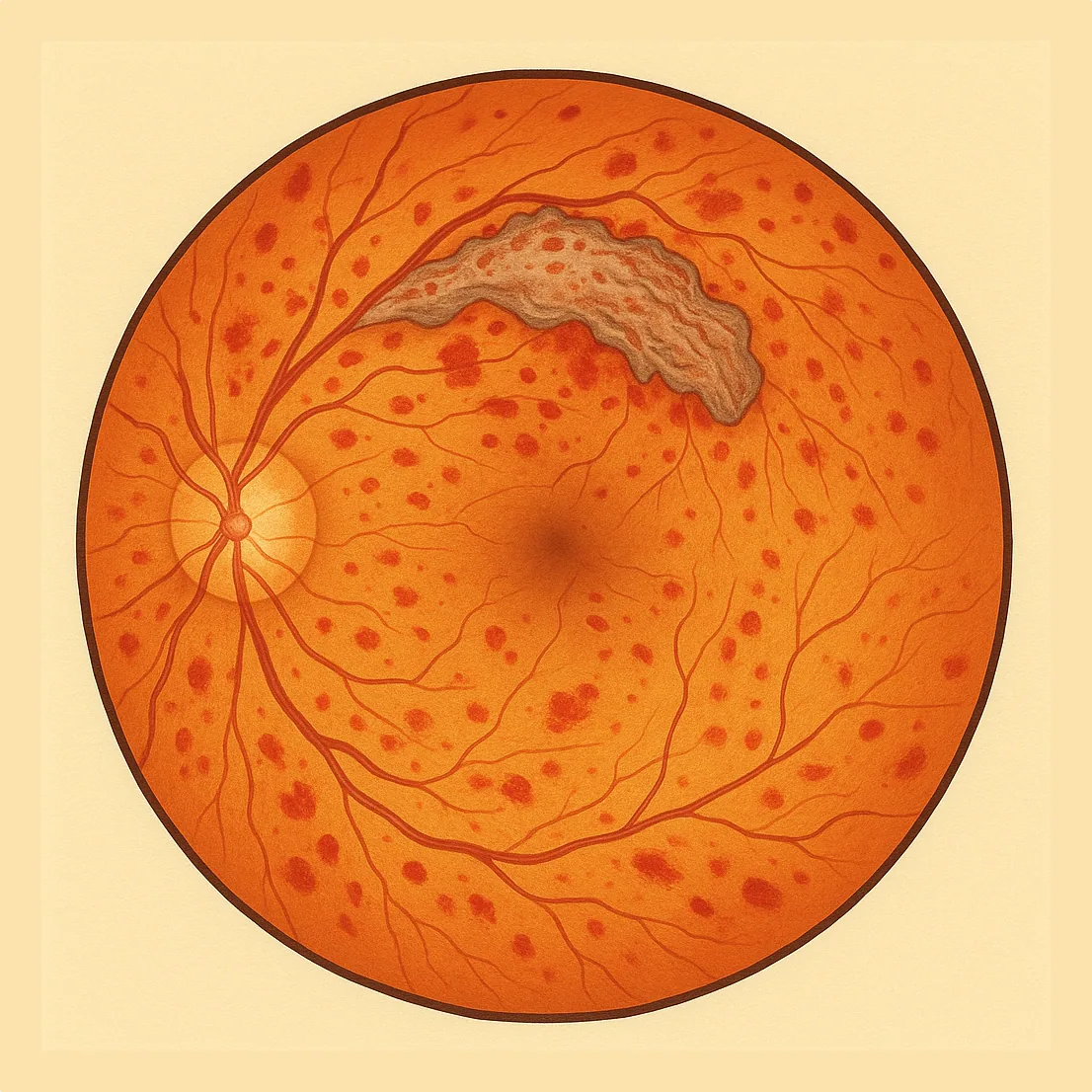
Diabetic retinopathy
Diabetic retinopathy is a complication of diabetes that affects the small blood vessels of the retina. Often silent in the early stages, it can threaten vision if not detected and treated in time.
Read more
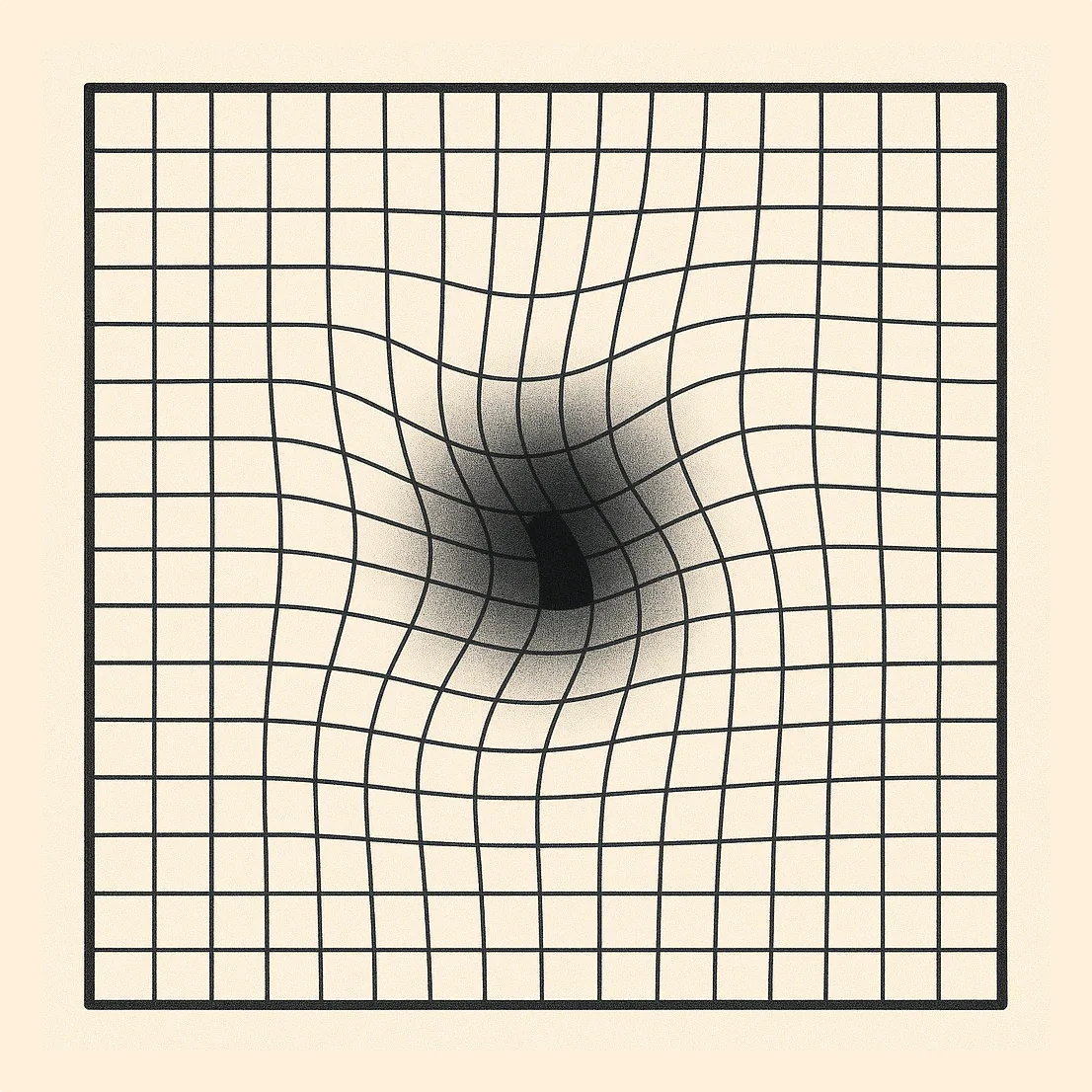
Amsler grid and AMD
Self-monitoring with the Amsler grid is an essential, simple, and effective component of medical follow-up for AMD (Age-Related Macular Degeneration). It enables the earliest possible detection of any change in central vision that may signal a turning point in the disease. Dr Julien Gozlan, ophthalmologist at Paris – Auteuil Ophthalmology Practice, explains how to perform AMD self-monitoring step by step, from the comfort of your home.
Read more
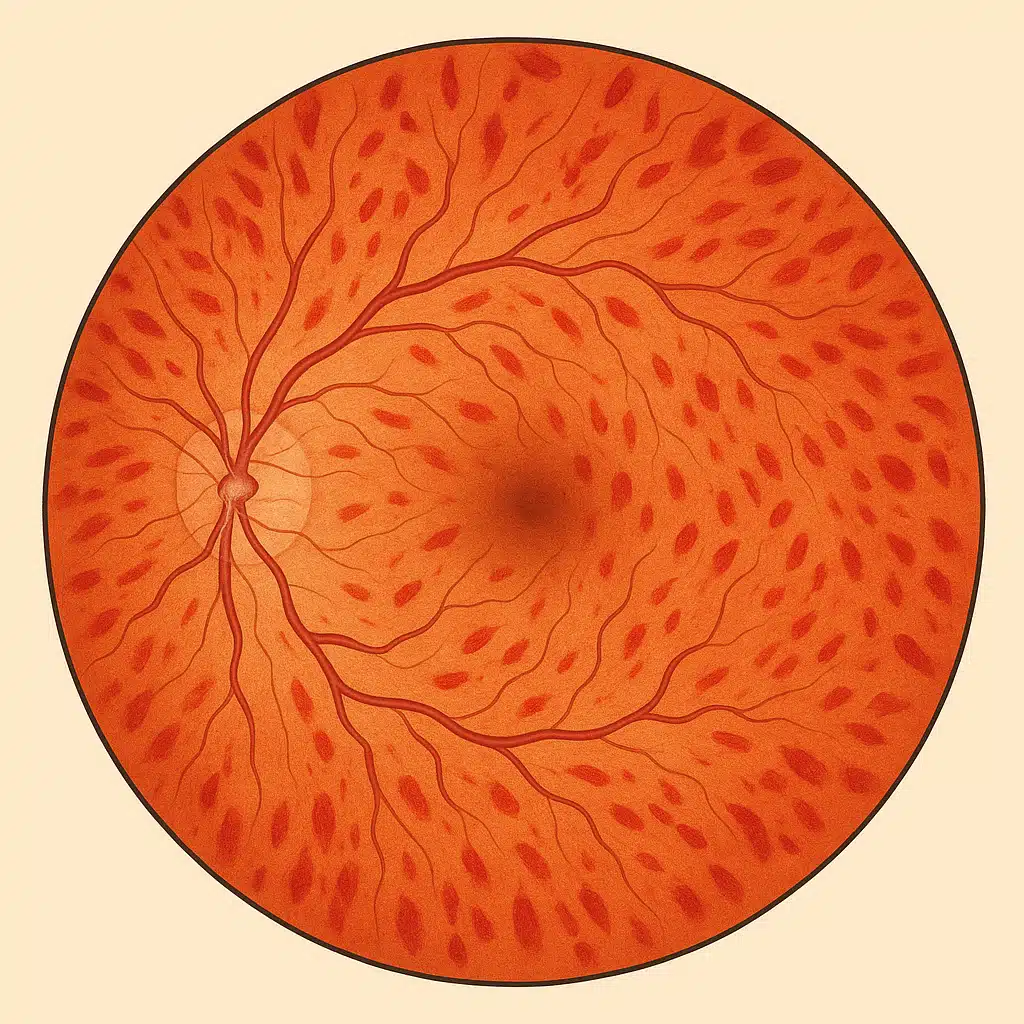
Central retinal vein occlusion
Central retinal vein occlusion (CRVO) is an ophthalmological emergency that causes more or less sudden vision loss due to impaired blood drainage from the retina. Dr Julien Gozlan explains the causes, symptoms, useful examinations, and current treatments for this ocular condition.
Read more

Intravitreal injections
Intravitreal injections are an essential treatment for many retinal diseases. They allow medication to be delivered directly inside the eye, as close as possible to the macula, in order to preserve vision. Dr Julien Gozlan, ophthalmologist in Paris 16, explains the indications, procedure, effectiveness, and follow-up for this now routine and painless treatment.
Read more