Retinal Diseases
15 articles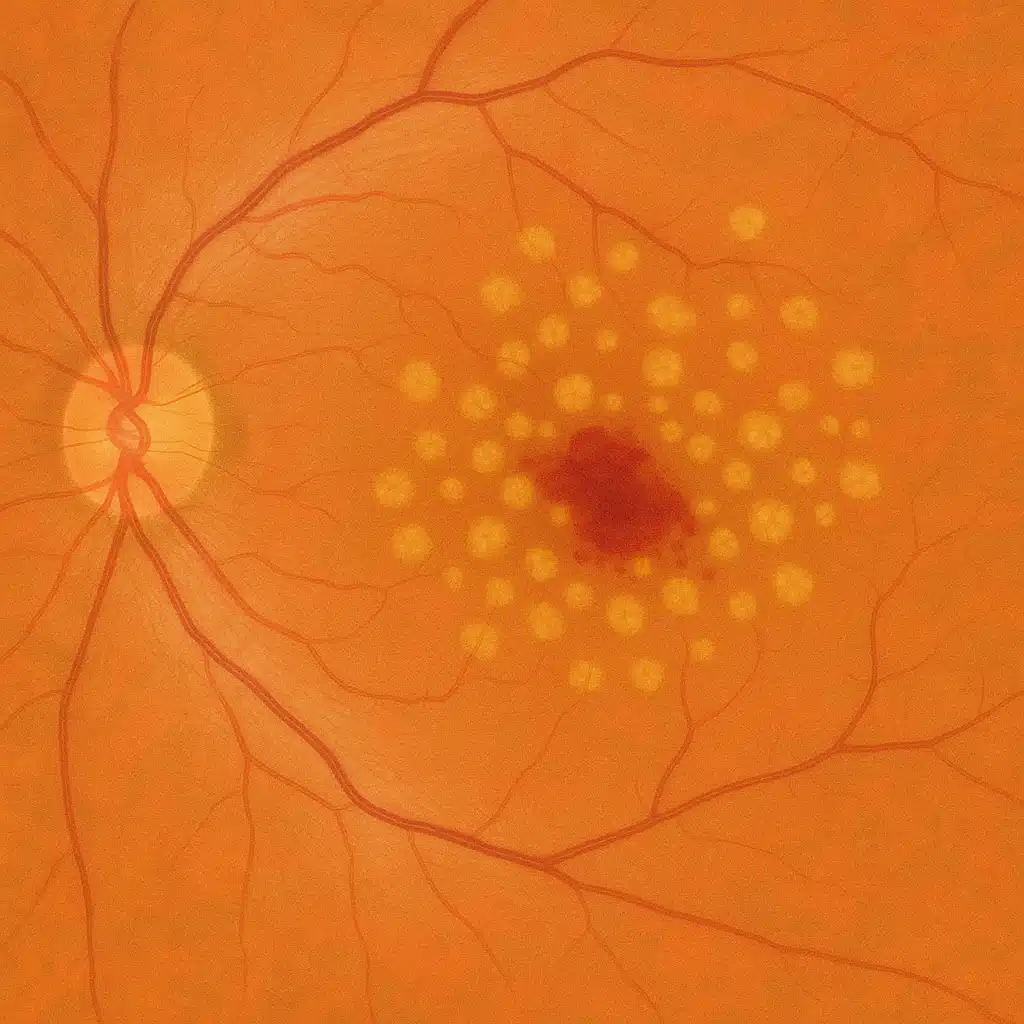
Age-Related Macular Degeneration
Age-related macular degeneration (AMD) is a disease affecting the central part of the retina, known as the macula. It primarily affects individuals over the age of 55–60 and can lead to a decline in central vision. Julien Gozlan, M.D., ophthalmic surgeon in Paris 16, provides a clear explanation of what age-related macular degeneration (AMD) is, its forms, its symptoms, and the available treatments.
Read more
Central Retinal Vein Occlusion
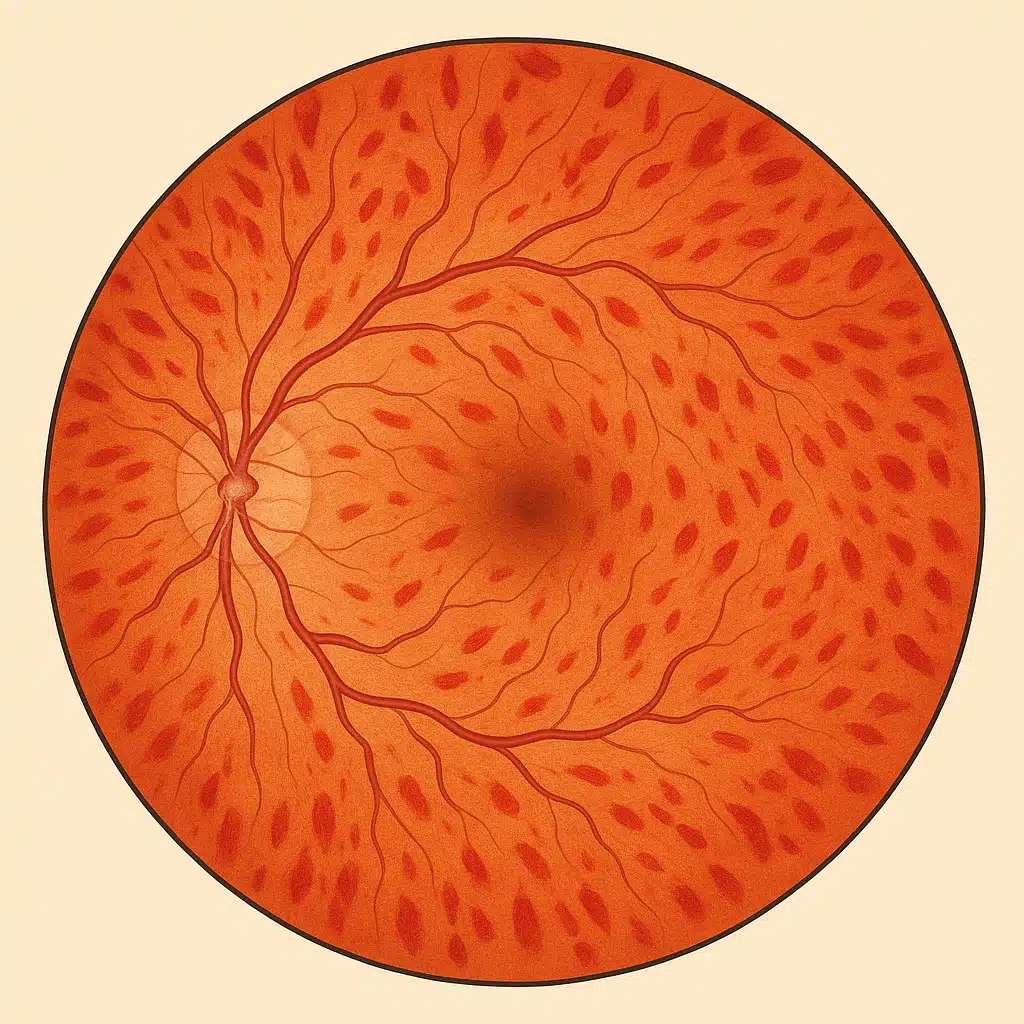
Central retinal vein occlusion (CRVO) is an ophthalmological emergency that causes more or less sudden vision loss due to impaired blood drainage from the retina. Julien Gozlan, M.D. explains the causes, symptoms, useful examinations, and current treatments for this ocular condition.
Read more
Amsler Grid and AMD
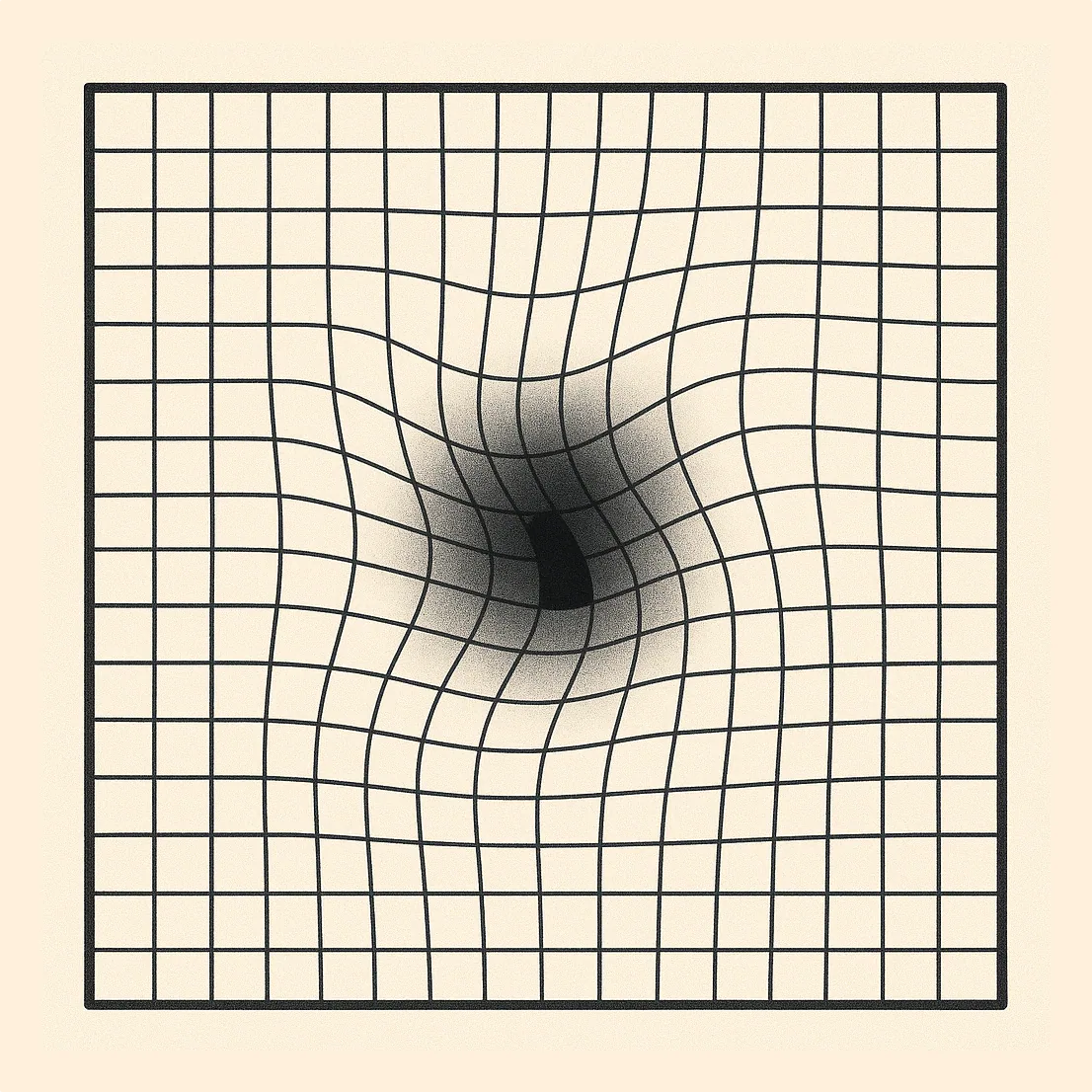
Self-monitoring with the Amsler grid is an essential, simple, and effective component of medical follow-up for AMD (Age-Related Macular Degeneration). It enables the earliest possible detection of any change in central vision that may signal a turning point in the disease. Julien Gozlan, M.D., ophthalmologist at Paris – Auteuil Ophthalmology Practice, explains how to perform AMD self-monitoring step by step, from the comfort of your home.
Read more
Diabetic Retinopathy
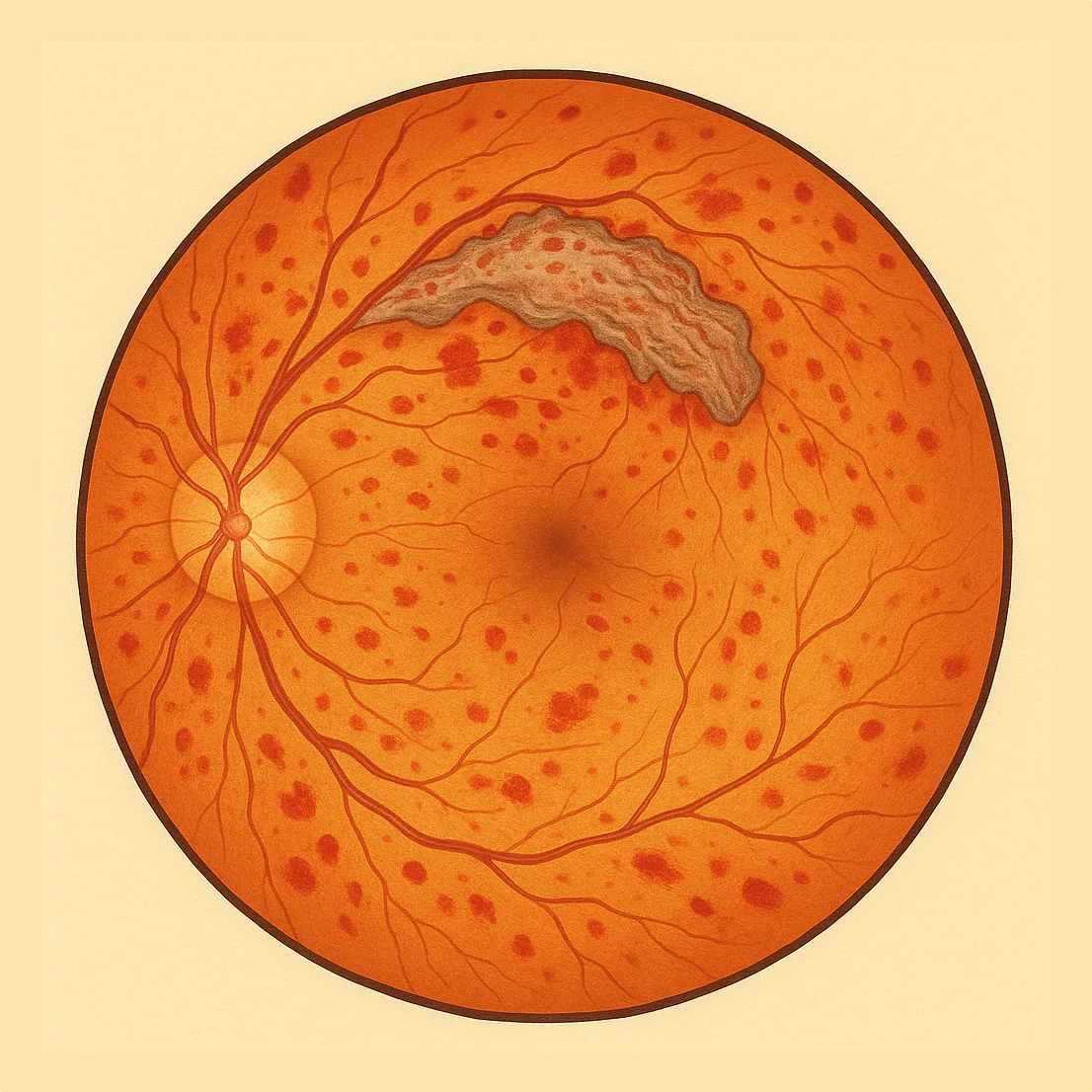
Diabetic retinopathy is a complication of diabetes that affects the small blood vessels of the retina. Often silent in the early stages, it can threaten vision if not detected and treated in time.
Read more
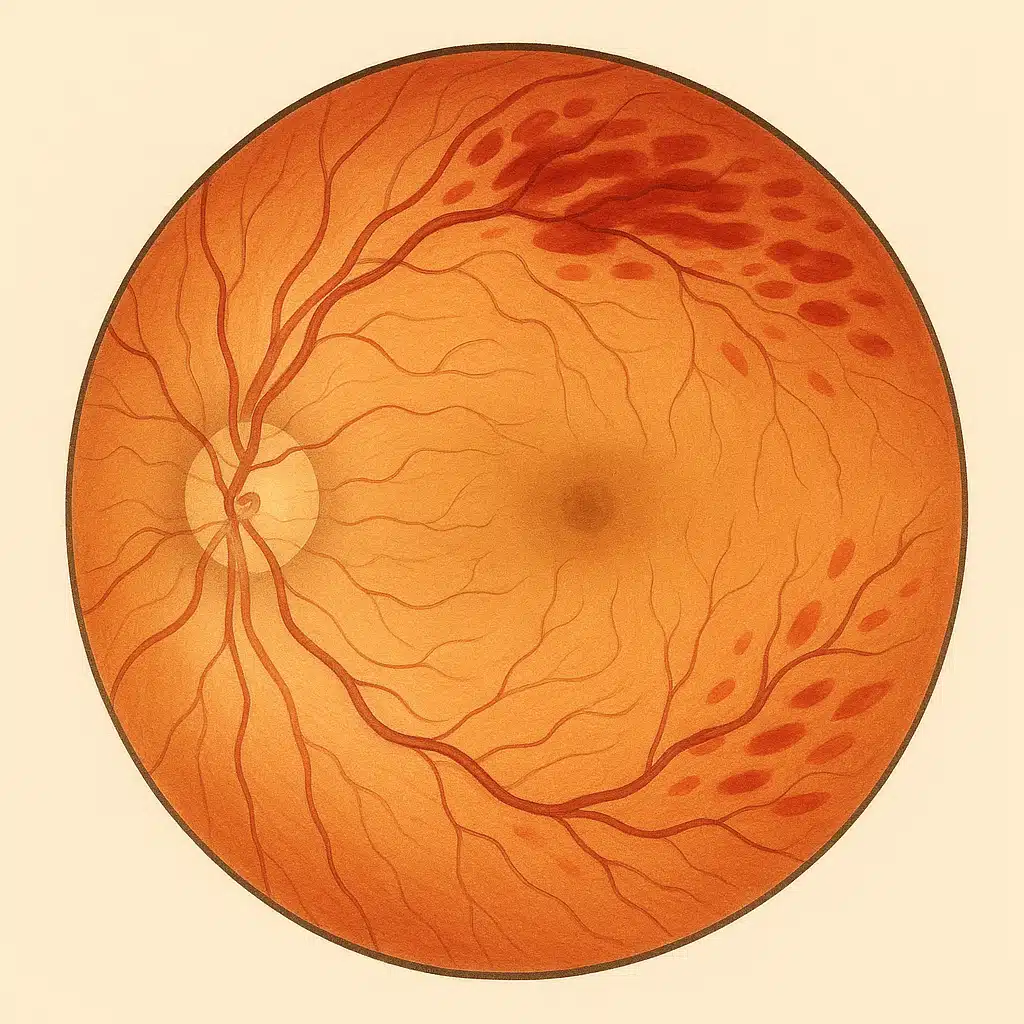
Branch Retinal Vein Occlusion
Branch retinal vein occlusion (BRVO) is a circulatory disorder affecting a branch of the retinal vein. It can cause decreased vision, sometimes sudden, and requires close ophthalmological monitoring. Julien Gozlan, M.D., ophthalmic surgeon, explains the causes, symptoms, examinations, and treatments to be implemented.
Read more
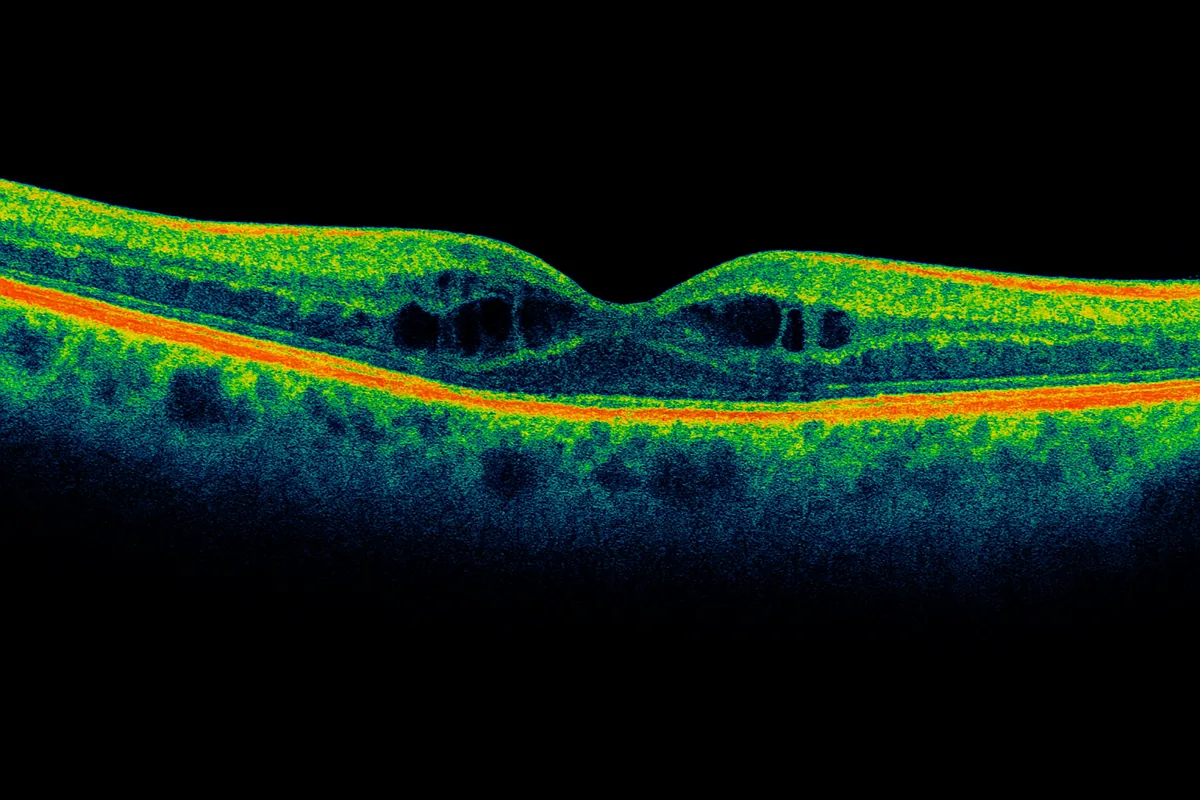
Diabetic Macular Edema
Diabetic macular edema is a common complication of diabetes that affects the macula, the central portion of the retina responsible for fine vision. It causes blurred and distorted vision. Julien Gozlan, M.D., ophthalmologist at Paris – Auteuil Ophthalmology Practice, provides a clear explanation of the causes, diagnosis by macular OCT, and modern treatments for diabetic macular edema.
Read more

Causes of AMD
Age-related macular degeneration (AMD) is a chronic disease of the macula, the central part of the retina responsible for fine vision. The main causes of AMD and certain risk factors promote its onset or accelerate its progression. Julien Gozlan, M.D., ophthalmic surgeon in Paris 16, reviews the causes of AMD and simple measures to better protect your vision.
Read more
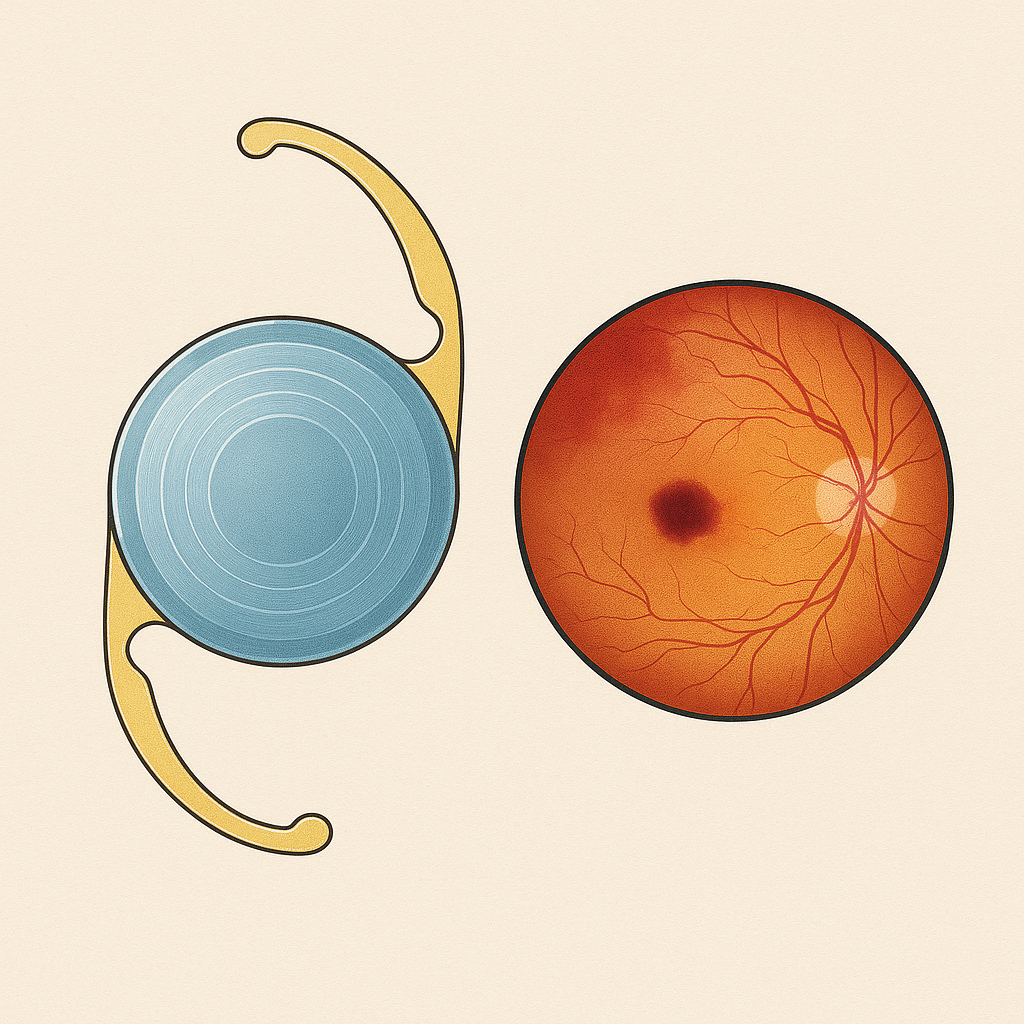
AMD and cataract surgery
Age-related macular degeneration (AMD) and cataract are two very common eye diseases after the age of 60. Many patients ask the following question: AMD and cataract — is the surgery risky? Can it worsen the macula? Julien Gozlan, M.D., ophthalmic surgeon in Paris 16, summarizes what the scientific evidence shows and what you need to know before undergoing surgery.
Read more
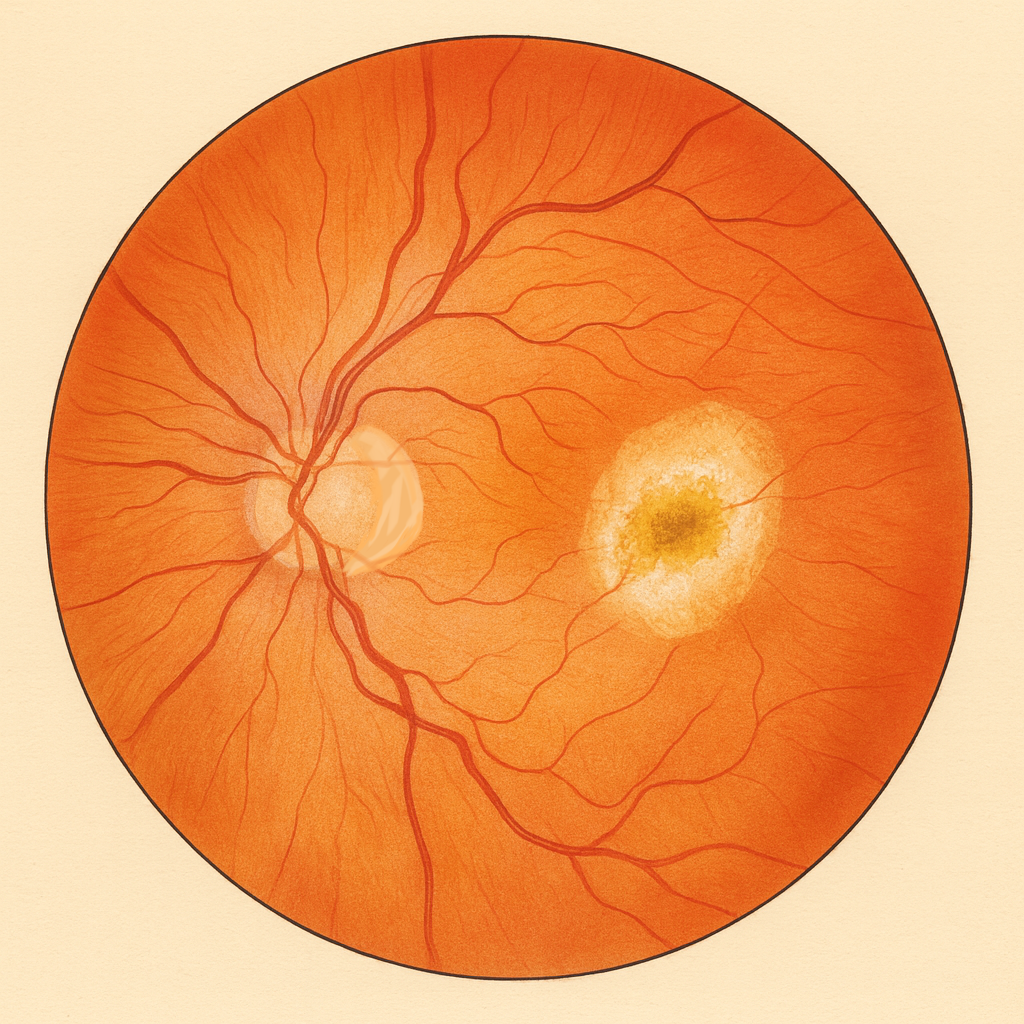
Myopic Tractional Maculopathy
Myopic tractional maculopathy is a complication of high myopia that affects the macula, the central area of the retina responsible for fine vision. It involves vitreous traction, thin membranes, and sometimes a bulging of the back wall of the eye (posterior staphyloma). Julien Gozlan, M.D., ophthalmic surgeon in Paris 16, explains the symptoms, the role of OCT, and the main treatment options.
Read more
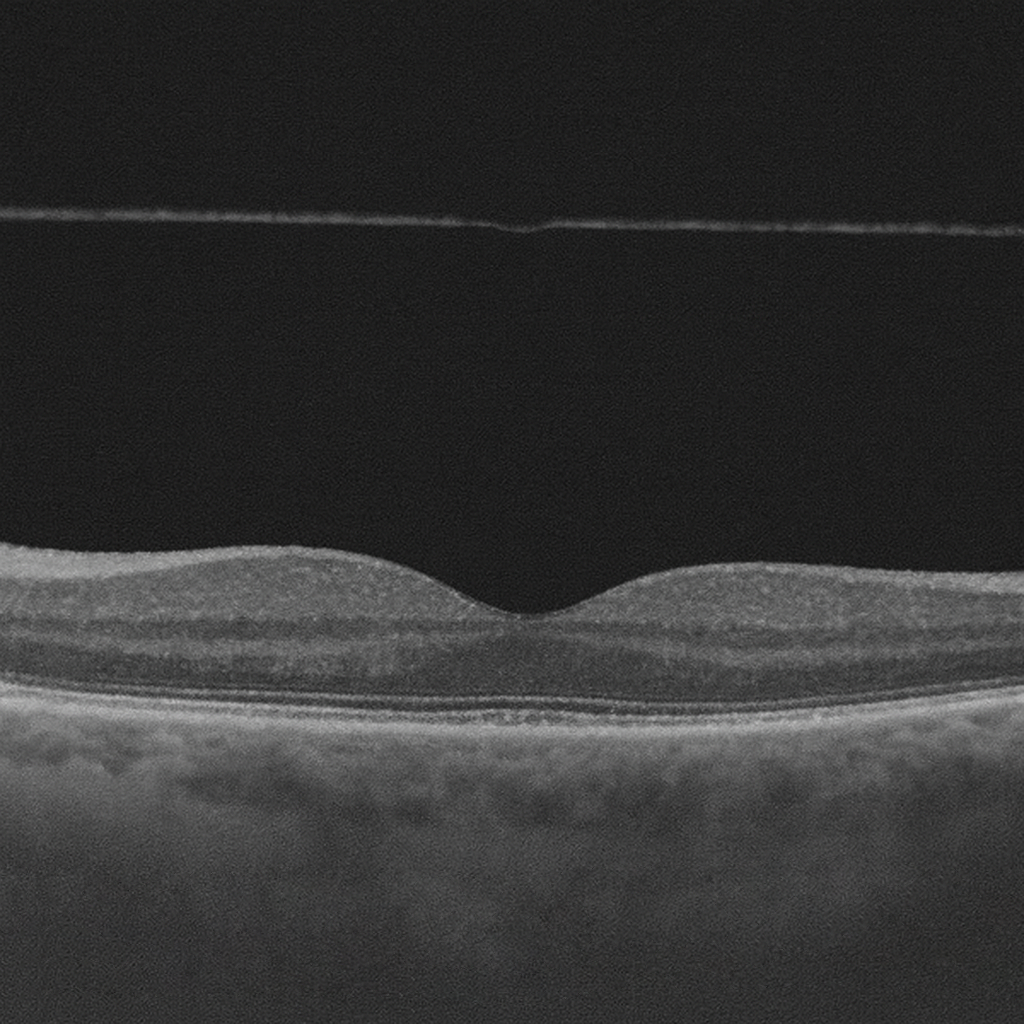
Posterior Vitreous Detachment
Posterior vitreous detachment is a very common condition after the age of 50. The transparent gel that fills the eye, the vitreous, gradually separates from the retina. In most cases, the phenomenon is benign, but it can sometimes be accompanied by a retinal tear.
Read more
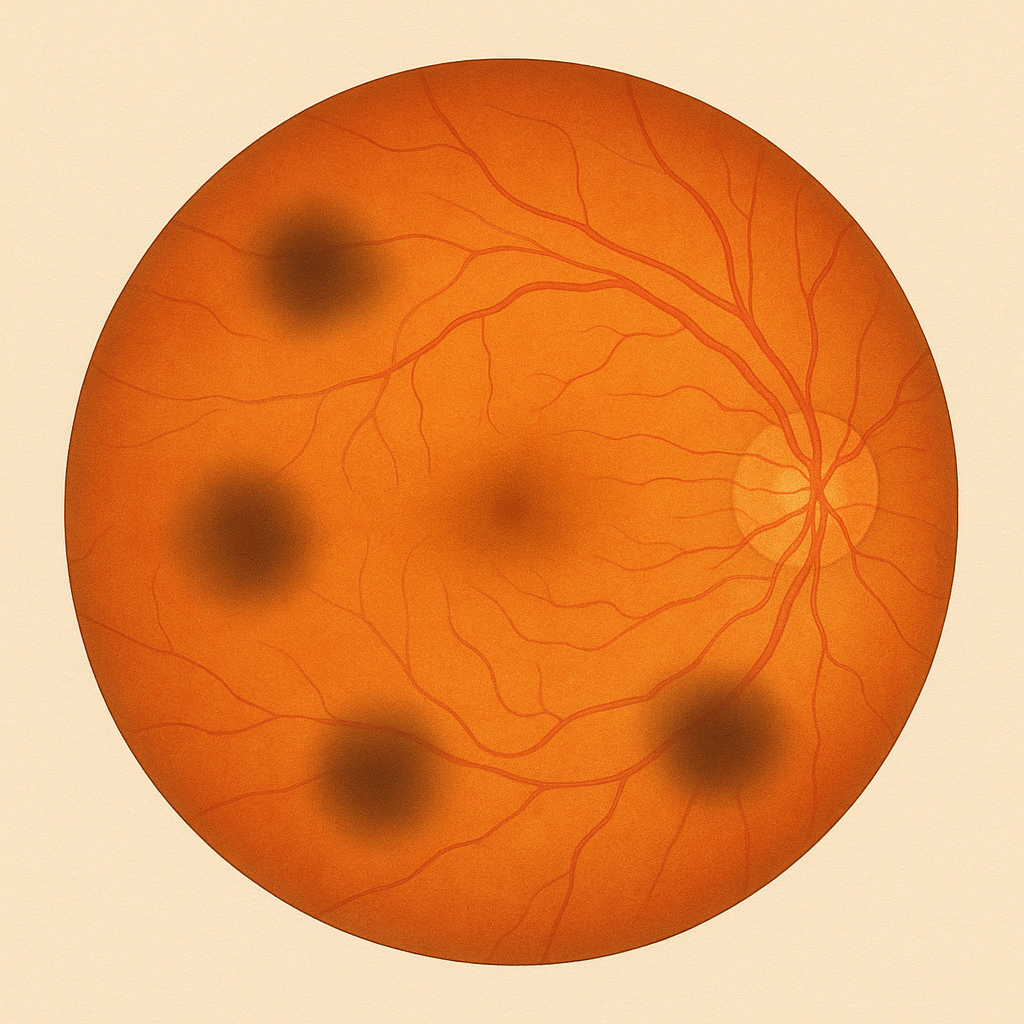
Eye Floaters
Eye floaters, often described as «mouches volantes» or small cobweb-like shapes drifting across your vision, are very common and generally harmless. However, they become more concerning when they appear suddenly, in large numbers, or are accompanied by other symptoms. Julien Gozlan, M.D., ophthalmic surgeon in Paris 16, explains what eye floaters are, their causes, and when you should seek emergency consultation.
Read more
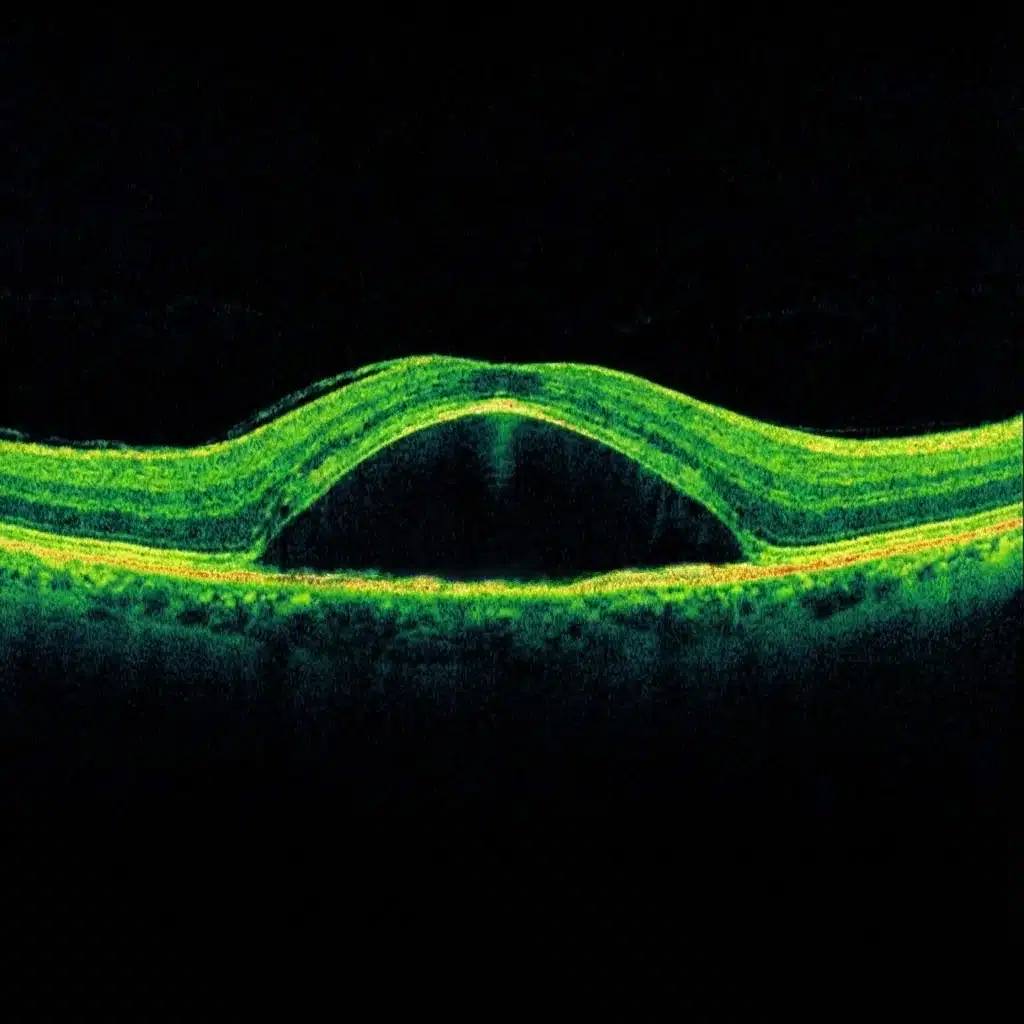
Central Serous Chorioretinopathy
Central serous chorioretinopathy (CSC) is a retinal disease that primarily affects young or middle-aged adults, often those under stress and sometimes taking corticosteroids. It presents as a small serous detachment of the macula, causing blurred and distorted vision. Julien Gozlan, M.D., ophthalmic surgeon in Paris 16, explains the symptoms, the role of OCT, and the treatments for CSC.
Read more
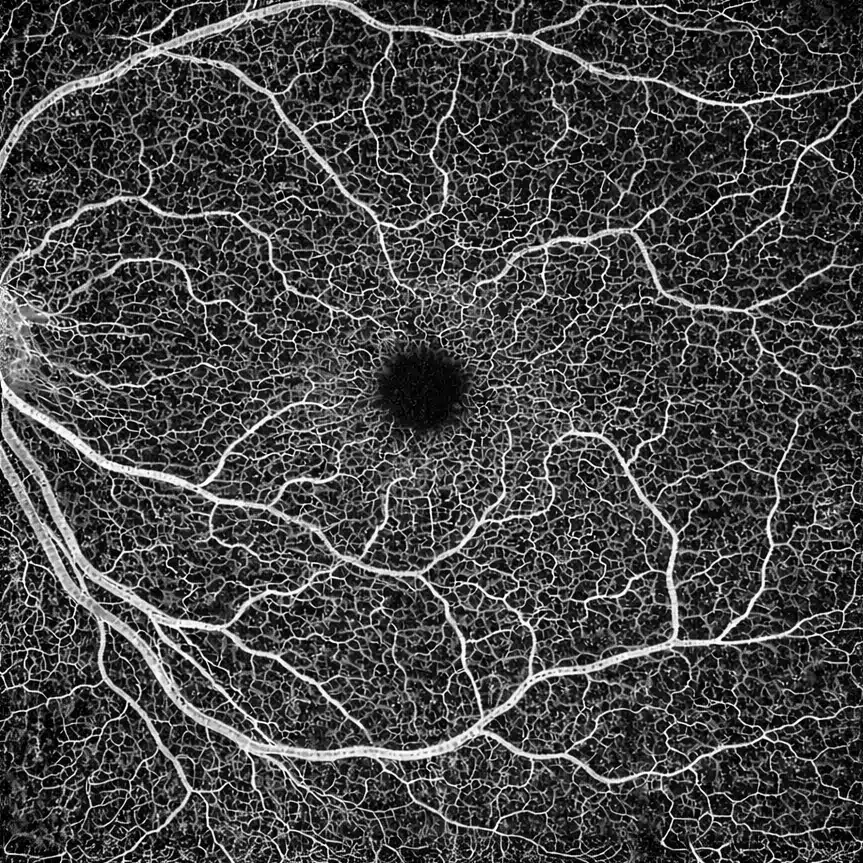
AMD and OCT Angiography
OCT angiography is a recent imaging technique that allows visualization of retinal blood flow without dye injection. It has become a major tool in the management of age-related macular degeneration (AMD), particularly for detecting and monitoring macular neovascularization. Julien Gozlan, M.D., ophthalmologist in Paris 16, explains the principle of OCT angiography, its specific value in AMD, and how it fits into treatment monitoring.
Read more

AMD and Driving
Age-related macular degeneration (AMD) affects central vision — the vision needed to read, recognize faces, and see fine details. Many patients wonder whether they can still drive with AMD, up to what stage, and under which conditions. Julien Gozlan, M.D., ophthalmologist in Paris 16, explains how AMD impacts driving, the visual fitness criteria, and the situations where it becomes advisable to limit or stop driving for safety reasons, while preserving independence as much as possible.
Read more
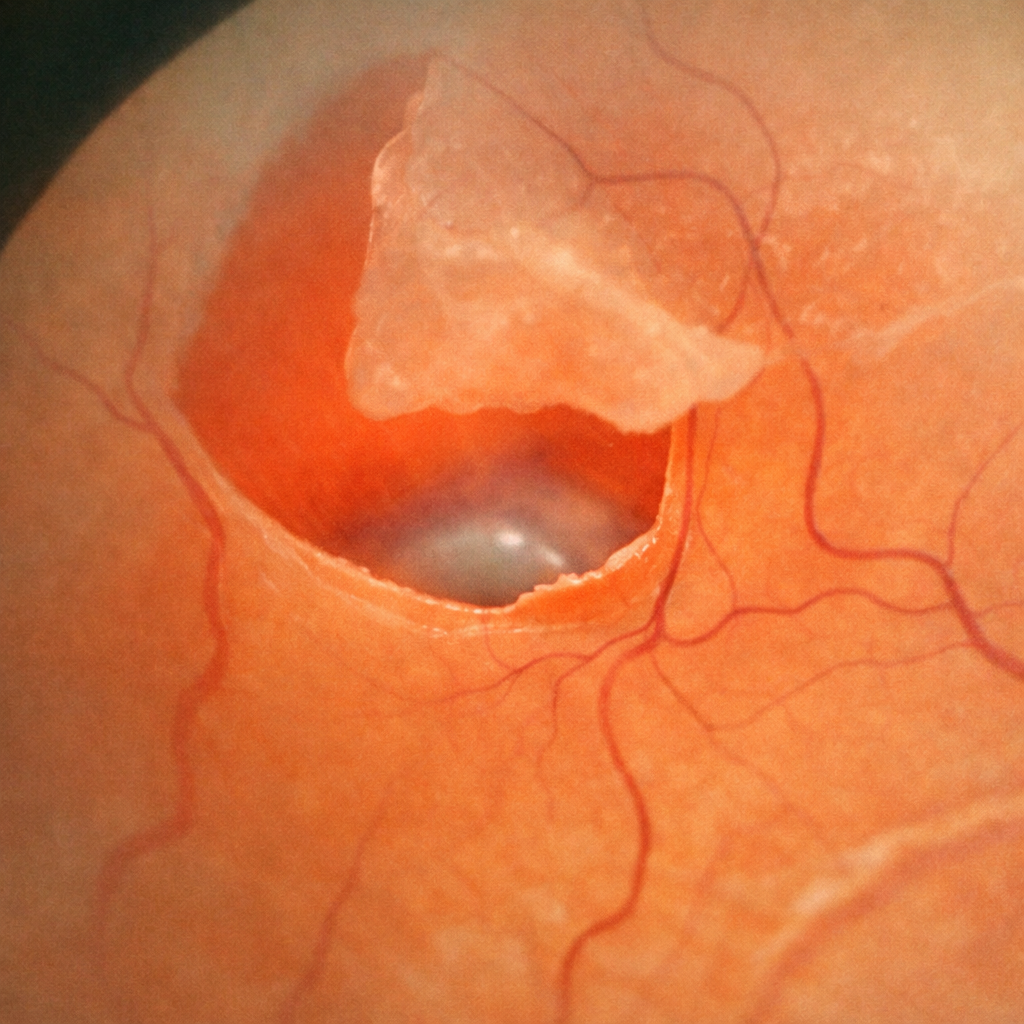
Retinal tear
A retinal tear is a break in the retinal tissue, often caused by traction from the vitreous (the gel that fills the eye). It can remain silent for a long time or present with floaters, flashes of light, or a curtain effect in the visual field. The main risk is progression to a retinal detachment, which constitutes a surgical emergency. Julien Gozlan, M.D., ophthalmologist in Paris 16, explains the warning symptoms, diagnosis, laser treatments, and the follow-up that should be implemented.
Read more