Cataract
13 articles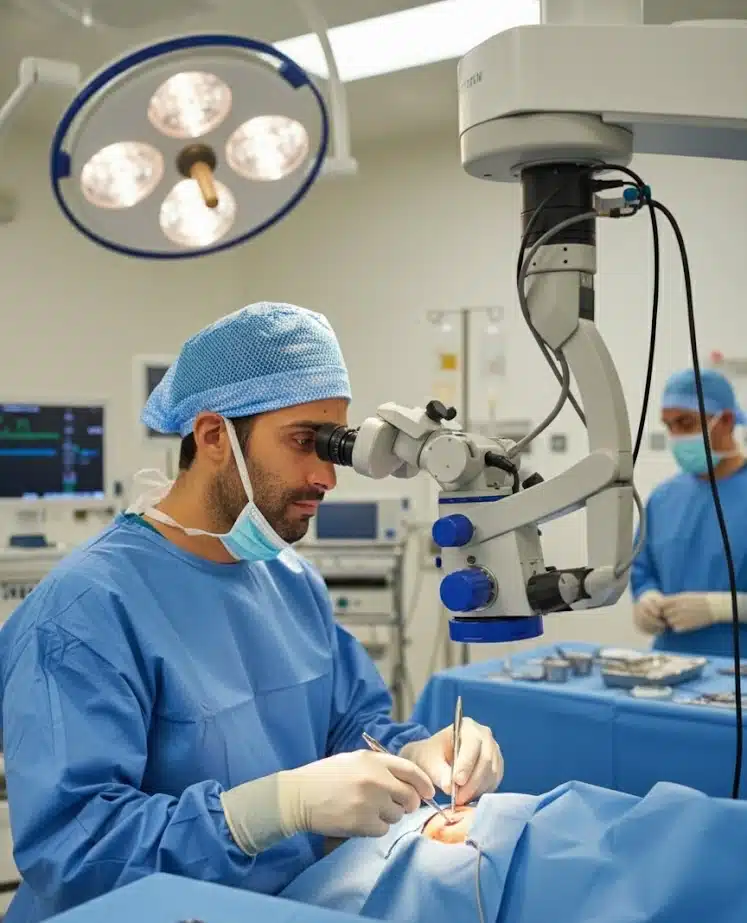
Cataract Surgery
Cataract surgery is now the most commonly performed surgical procedure in ophthalmology. Quick, painless, and extremely safe, it restores clear vision by replacing the clouded natural lens with a transparent intraocular implant. Julien Gozlan, M.D., ophthalmologist in Paris 16, explains how this surgery is performed, what to expect during recovery, and the visual results you can achieve.
Read more
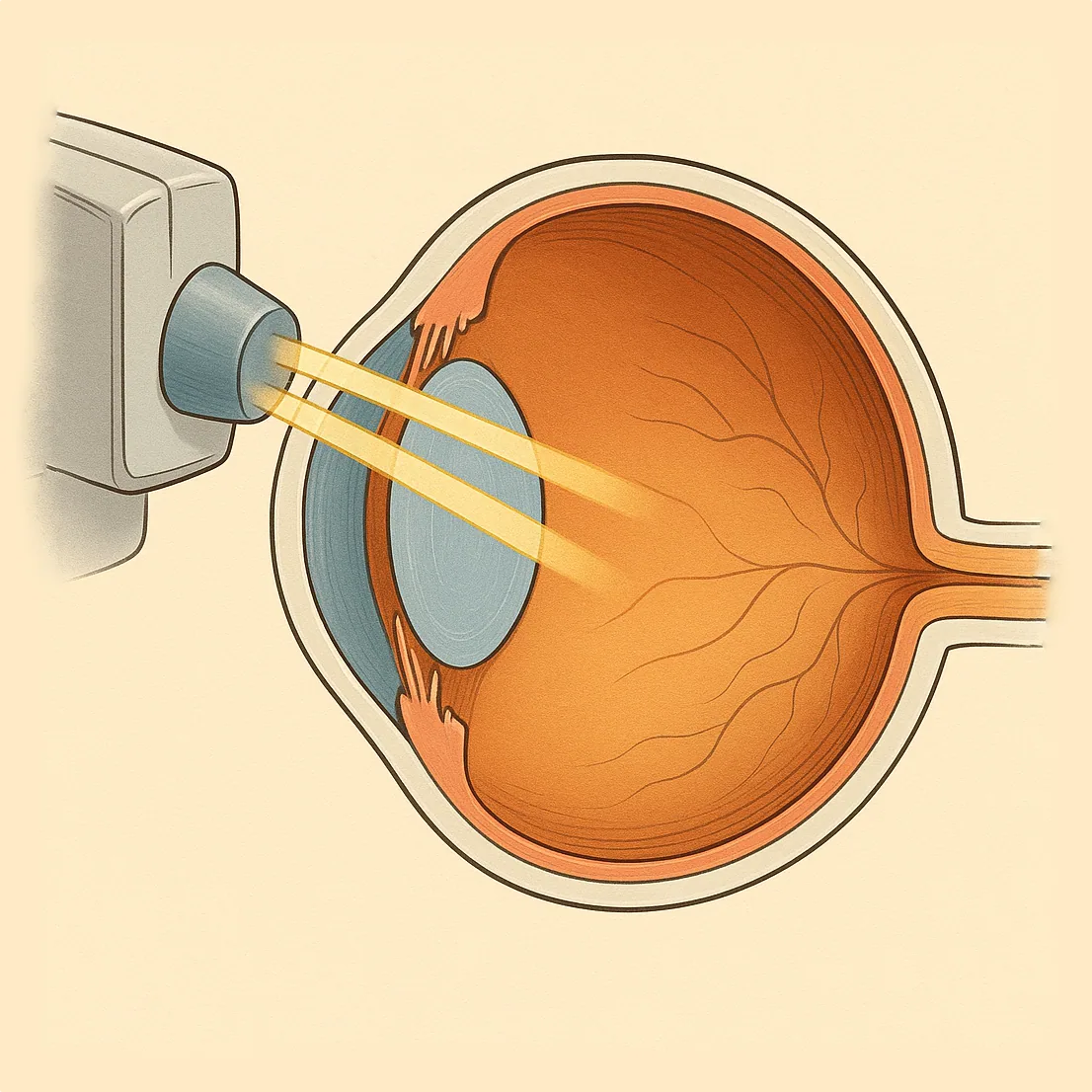
Ocular Biometry
Ocular biometry is the gold-standard examination for calculating the power of the intraocular lens implant before cataract surgery. It precisely measures the length and curvature of your eye to optimize the visual outcome. Julien Gozlan, M.D. explains the principle, the procedure, special cases, and how to obtain reliable measurements.
Read more

Presbyopia correction and cataract surgery
Presbyopia correction can be performed at the same time as cataract surgery. The goal is to restore comfortable distance vision, intermediate vision, and sometimes near vision, with minimal dependence on glasses. Julien Gozlan, M.D. explains the therapeutic options, their benefits, and their limitations.
Read more
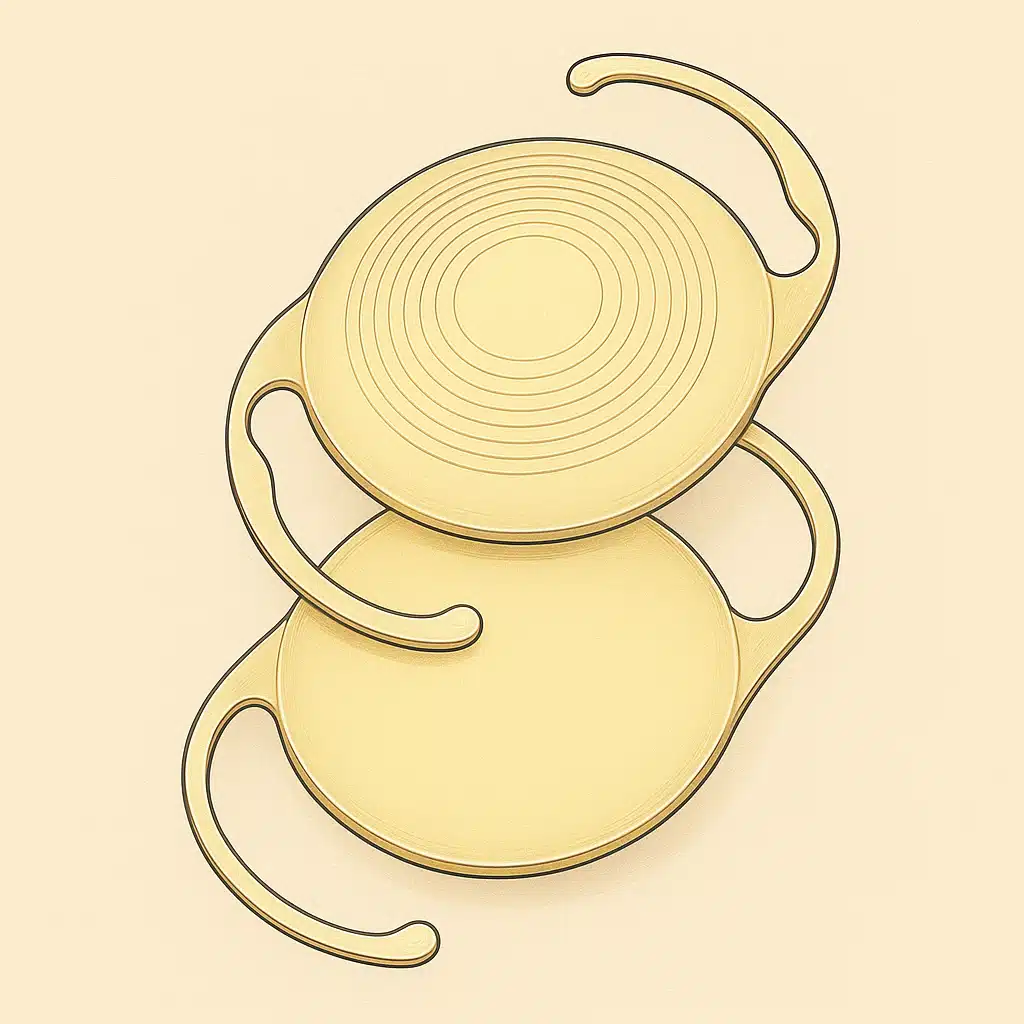
Cataract Lens Implants
During cataract surgery, an intraocular lens implant replaces the clouded natural lens. Cataract implants are like very thin lenses, custom-calculated to correct your vision. Julien Gozlan, M.D. provides a clear explanation of the different types of implants, how they are chosen, the procedure, and the expected results.
Read more
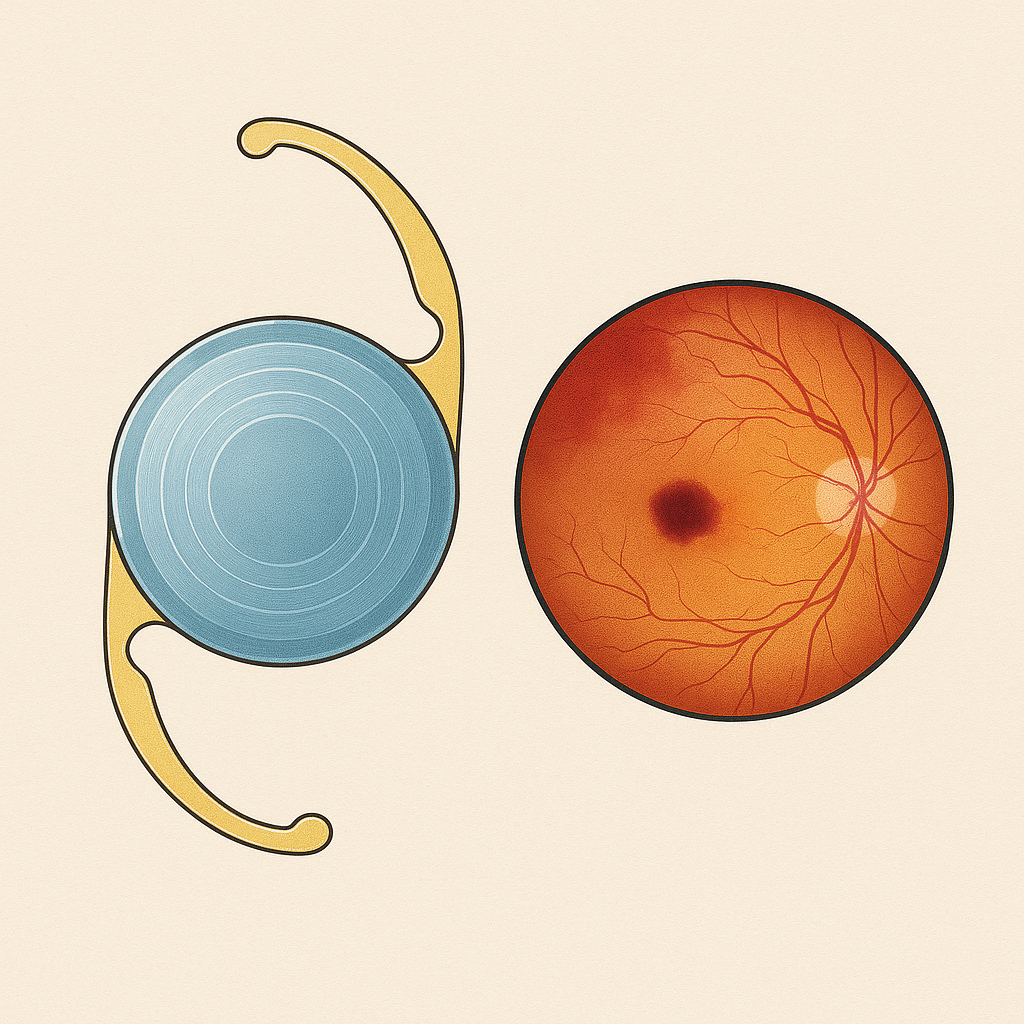
AMD and cataract surgery
Age-related macular degeneration (AMD) and cataract are two very common eye diseases after the age of 60. Many patients ask the following question: AMD and cataract — is the surgery risky? Can it worsen the macula? Julien Gozlan, M.D., ophthalmic surgeon in Paris 16, summarizes what the scientific evidence shows and what you need to know before undergoing surgery.
Read more
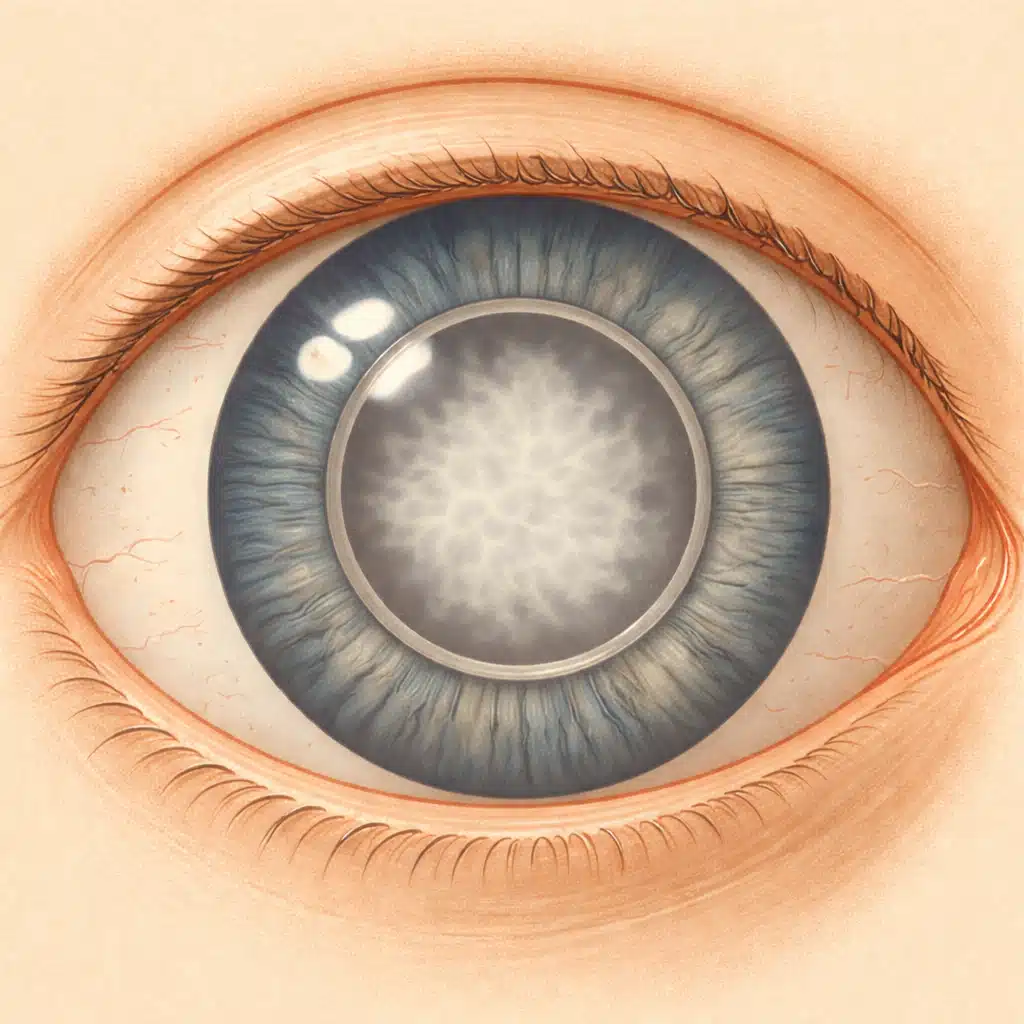
Secondary Cataract
After cataract surgery, vision generally clears up on a lasting basis. A few months or years later, however, some patients notice a new decline in vision. This is not a «failure of the operation» but most often a secondary cataract, caused by the progressive opacification of the membrane located behind the intraocular lens implant. Julien Gozlan, M.D., ophthalmic surgeon and ophthalmologist in Paris 16, explains the symptoms, diagnosis, and treatment using the YAG laser.
Read more
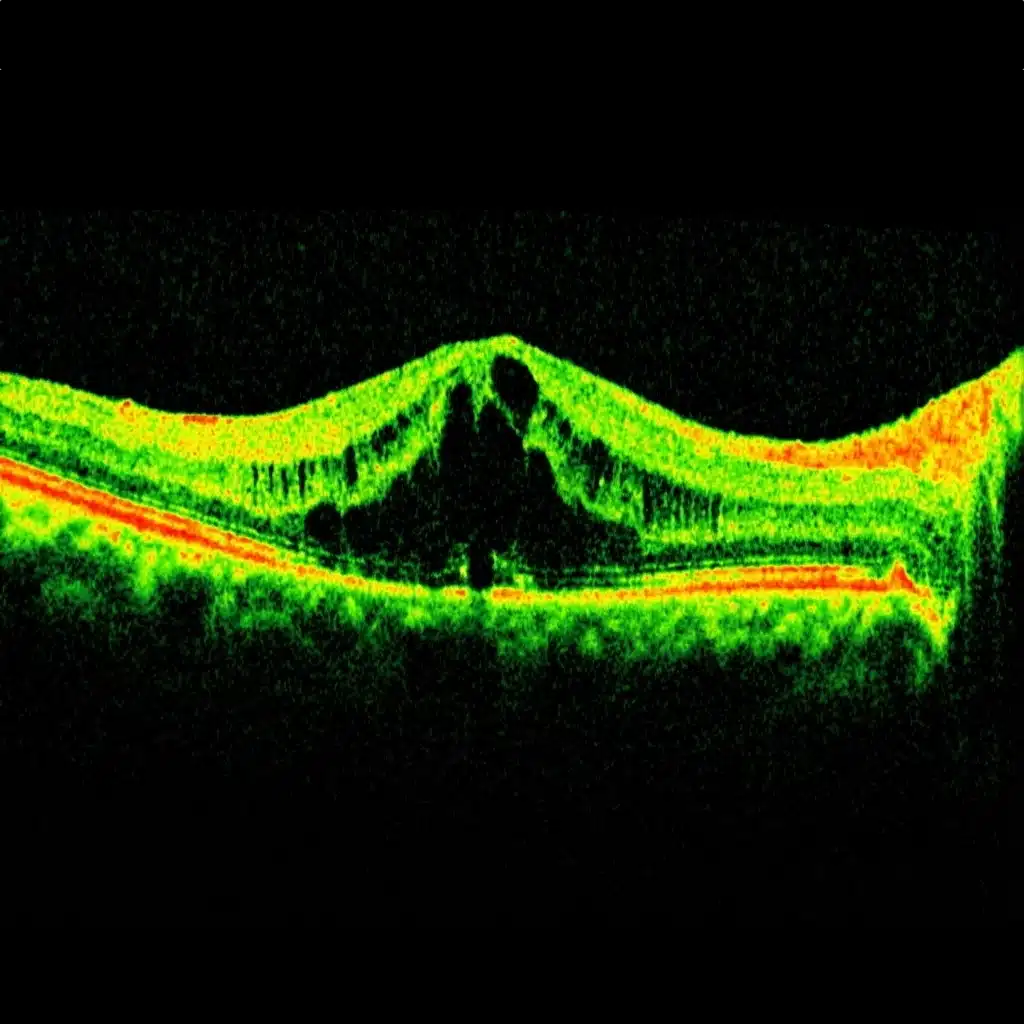
Irvine-Gass Syndrome
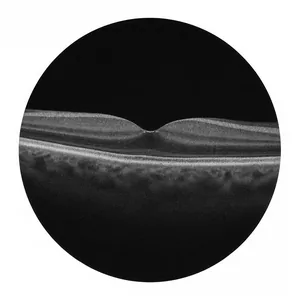
Irvine-Gass syndrome refers to cystoid macular edema occurring after cataract surgery. It presents as blurred or distorted central vision several weeks after an otherwise uneventful procedure. Julien Gozlan, M.D., ophthalmic surgeon in Paris 16, explains the symptoms, the role of OCT, and the treatments for Irvine-Gass syndrome.
Read more
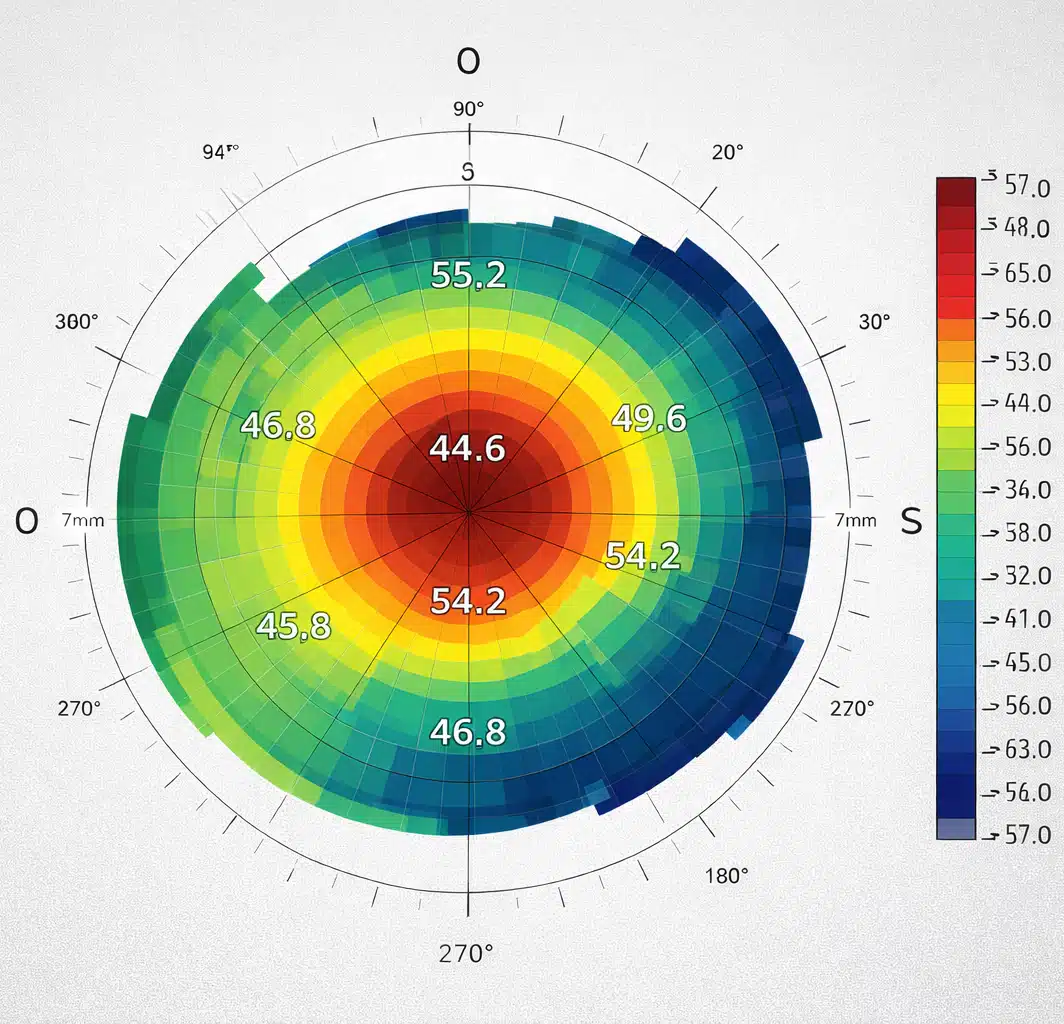
Cataract and Corneal Topography
Before cataract surgery, corneal topography has become a standard examination. It allows precise analysis of the shape and regularity of the cornea, detection of certain pathologies, and optimization of intraocular lens implant selection. Julien Gozlan, M.D., ophthalmic surgeon in Paris 16, explains how corneal topography ensures a safer and more personalized cataract procedure.
Read more
Cataract and Myopia
The combination of cataract and myopia is very common. Cataract often appears earlier in myopic individuals, especially in cases of high myopia. Surgery can improve vision, but expectations, implant calculations, and risks are not exactly the same as for a non-myopic patient. Julien Gozlan, M.D., ophthalmic surgeon and ophthalmologist in Paris 16, explains the specificities of cataract in myopic patients, the course of the procedure, and the key points to watch for.
Read more
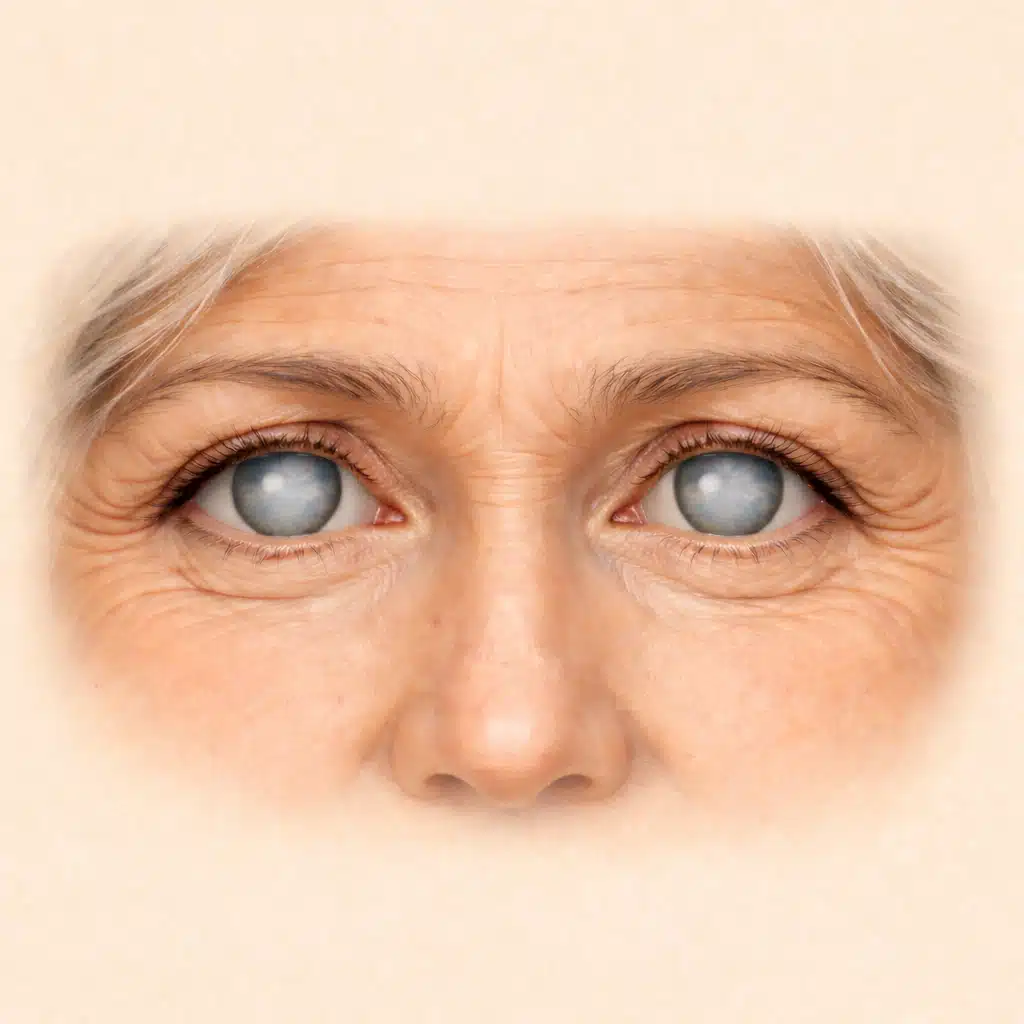
Cataract: Should You Have One Eye or Both Eyes Operated On?
Cataract can affect one eye only (unilateral cataract) or both eyes (bilateral cataract), with different visual and practical consequences. Should you have one eye operated on first, both eyes in succession, and at what pace? Julien Gozlan, M.D., ophthalmic surgeon in Paris 16, explains the specific features of unilateral and bilateral cataract, the recommended interval between the two procedures, and the situations where it is best not to wait too long for the second eye.
Read more
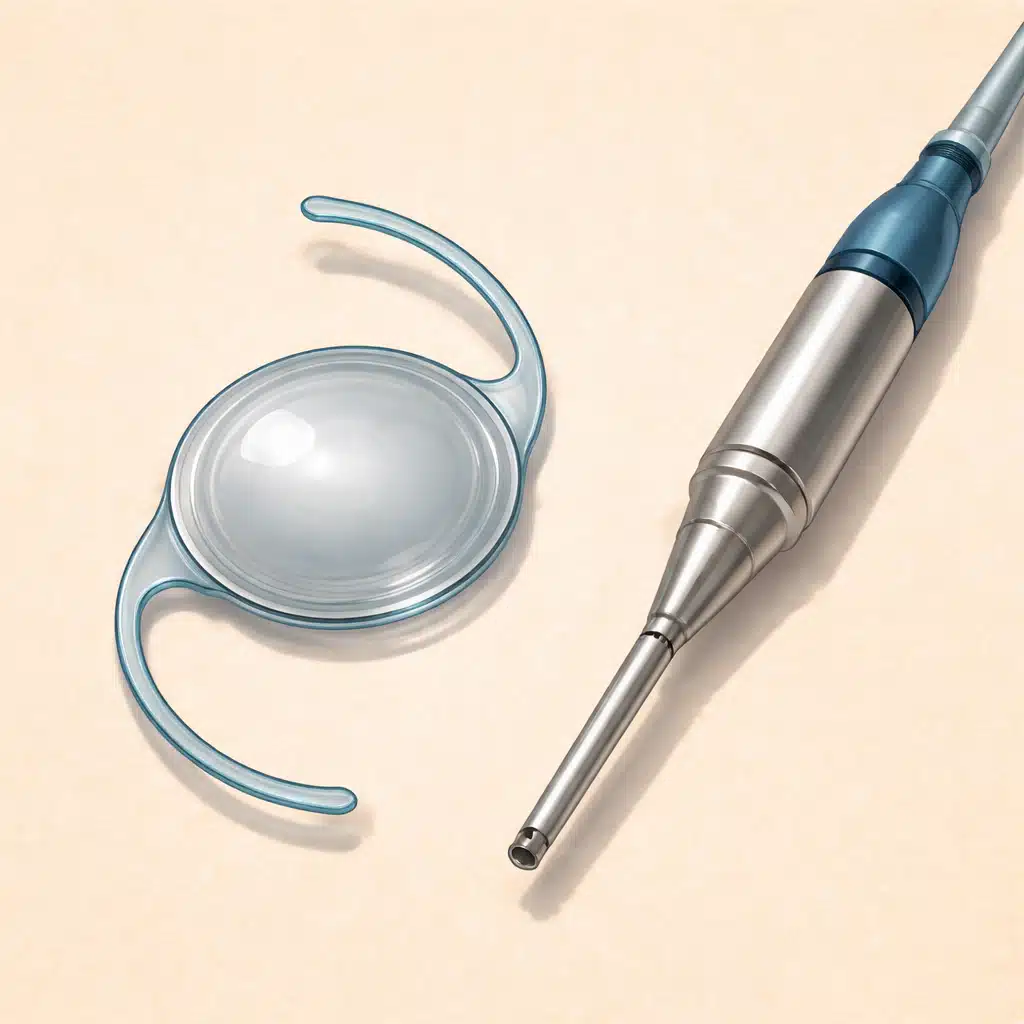
Combined cataract and vitrectomy surgery
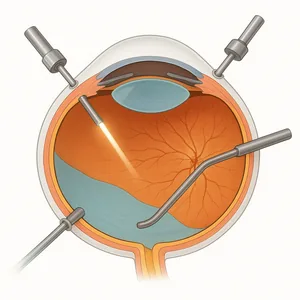
Combined surgery allows both a cataract and a retinal or vitreous condition (epiretinal membrane, macular hole, diabetic retinopathy, retinal detachment, etc.) to be treated in a single operation. It avoids two separate procedures and shortens recovery time, but requires precise planning and choices tailored to each case. Julien Gozlan, M.D., ophthalmic surgeon in Paris 16, explains the indications, procedure, and prognosis of this combined surgery.
Read more

Cataract
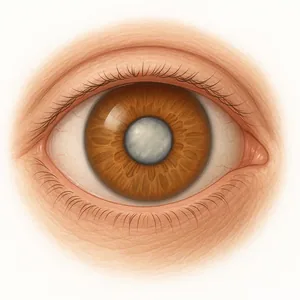
A cataract is the progressive clouding of the crystalline lens, the natural lens located inside the eye. Very common with age, it causes decreased vision, glare, reduced contrast sensitivity, and eventually significant difficulty in daily life. Julien Gozlan, M.D., ophthalmologist in Paris 16, explains what this condition is, how it manifests, why it develops, and when treatment may be considered.
Read more
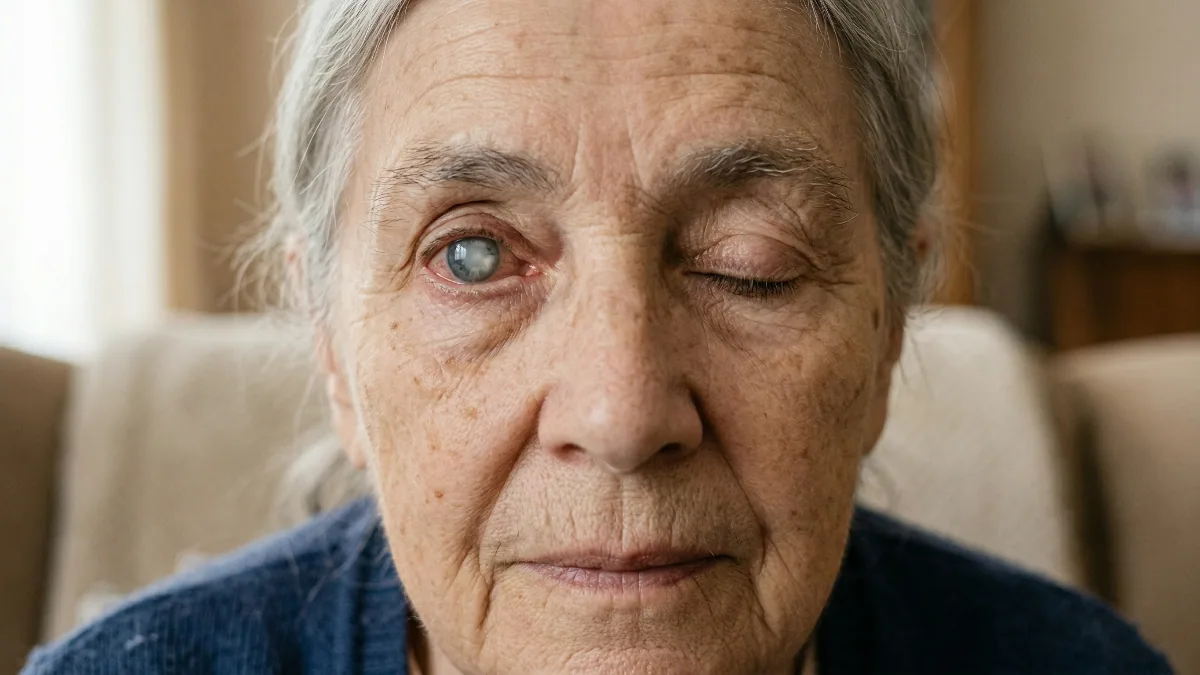
Cataract in a single functional eye
Cataract in a single functional eye represents a unique clinical situation that requires rigorous and tailored management. When a patient has only one seeing eye — the other being non-functional due to trauma, severe retinal disease or deep amblyopia — the stakes of cataract surgery become considerably higher. Julien Gozlan, M.D., an ophthalmic surgeon specializing in cataract surgery and retinal diseases in Paris 16, provides these patients with particular attention and care. In this article, we discuss the specific aspects of this situation, the essential preoperative precautions, the course of the procedure, the specific risks and the results that can be expected.
Read more